When you hear the word “melatonin,” you generally think of sleep, which is what it is used for to help with jet lag or insomnia. But this hormone is becoming much more than that. It is a strong antioxidant, a way to sync up your circadian clock, and a safe, fast-acting sleep aid that doesn’t make you dependent on it. Liposomal melatonin is currently more effective than gummies, sprays, and effervescent versions.
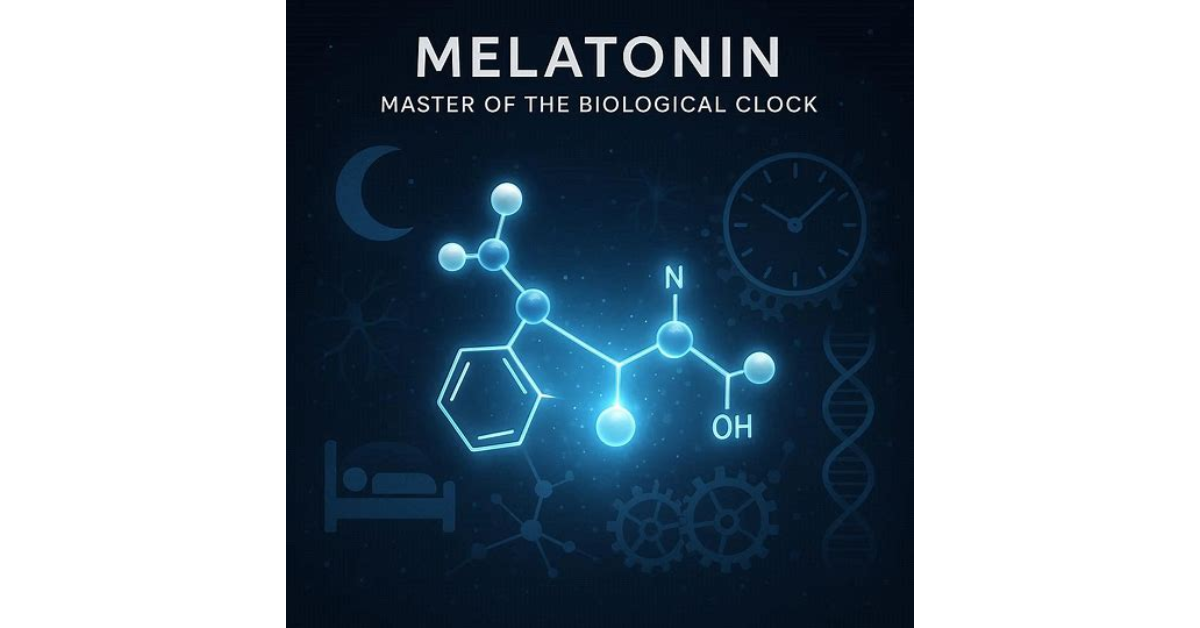
Melatonin: The Master of the Biological Clock—and Much More
a) Regulating the Biological Clock – The pineal gland makes melatonin when it becomes dark, which helps your circadian rhythm. It tells your body that it’s time to sleep, which helps it work in sync with the day–night cycle. As we become older, we spend more time in front of screens and deal with more stress in our daily lives. This might throw off our natural melatonin cycle. If you’re dealing with shift work, delayed sleep phase syndrome, or just plain jet lag, supplementation can help reset this clock.
c) A Strong Antioxidant – In addition to controlling sleep, melatonin is a powerful antioxidant that may frequently surpass vitamins like vitamin E in scavenging reactive oxygen species. It raises the levels of natural antioxidant enzymes including superoxide dismutase and glutathione peroxidase while also stabilising mitochondria.
c) Protects cells and reduces inflammation – Systematic studies show that melatonin can lower the levels of pro-inflammatory cytokines such IL-1, IL-6, and IL-8. Its metabolites, AFMK and AMK, also stop inflammatory enzymes like COX-2 and iNOS, which shows that they protect cells even more.
d) Sleep Disorders Beyond Jet Lag – Melatonin is often used to treat jet lag, but it also helps for other problems, such as restless legs, insomnia linked to mental health issues, delayed sleep phase in teens, and shift-work sleep disorder. Low doses of melatonin have been shown to help with all of these issues.
e) Fast Acting, Quick Clearing, Non-Addictive – Melatonin usually starts to work within 30 to 60 minutes and is quickly broken down, which helps you feel less groggy the next day. It is safer to take regularly since it doesn’t make you addicted as sedative-hypnotics do.
Beyond Sleep: Emerging Clinical Horizons
a) Support for the immune system and control of inflammation – Melatonin improves immune function and reduces inflammation, making it a potential treatment for chronic inflammatory illnesses and age-related immunological decline.
b) Protecting the brain and controlling mood – Initial studies suggest that melatonin may assist in moderate mood modulation, as well as in Parkinson’s and Alzheimer’s disease, via antioxidative and neuroprotective mechanisms.
c) Benefits for the stomach, eyes, and other parts of the body – New research suggests that melatonin may help with GERD symptoms, seasonal sadness, and maybe even slow down age-related macular degeneration since it protects mitochondria and has antioxidant properties.
How Does Liposomal Melatonin Enhance Effectiveness?
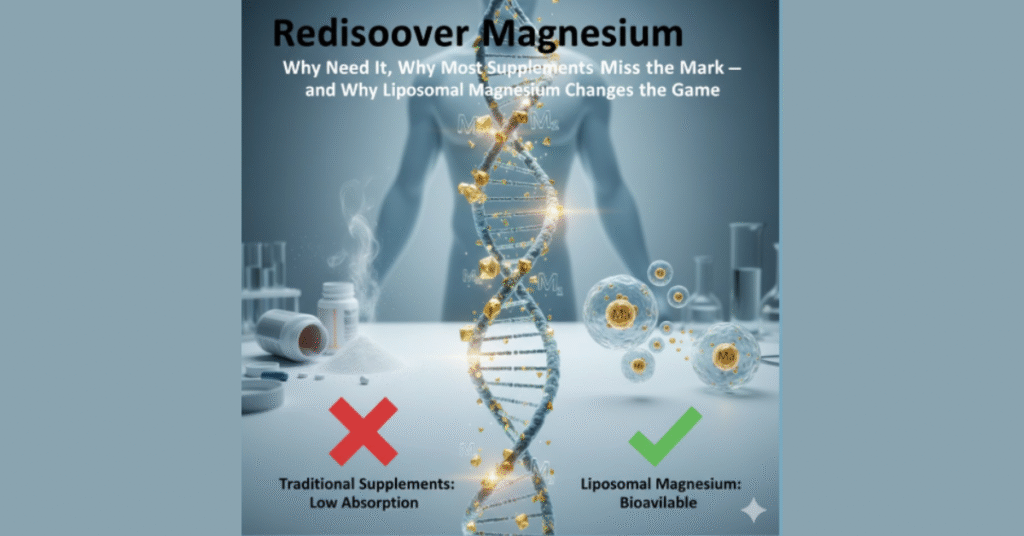
First-pass metabolism can make melatonin less effective as a medicine. Liposomal delivery, which means putting anything in phospholipid vesicles, has three main benefits:
- Higher Bioavailability: Liposomal melatonin is absorbed around 25–33% better than oral pills and has a quicker start of action (within 30 minutes).
- Rapid Action + Sustained Release: Liposomal sprays (including Solgar, DaVinci, and Quicksilver) swiftly provide melatonin through sublingual absorption, but the liposomal structure keeps it from being released too soon and makes it easier to absorb.
- Less Grogginess in the Morning and a Lower Effective Dose: Liposomal systems can lower the dose needed since they release the drug faster and more effectively, which implies fewer side effects and less sleepiness during the day.
The edge with science back:
- A lipid-based melatonin spray made people sleepy in 30 minutes instead of 4 hours with a pill, which shows that it works faster and is more bioavailable.
- Liposomal sprays and liquids are hypoallergenic, vegan/vegetarian, and drug-free, so they may be used for personalised dosage and quick results.
Clinical Safety Snapshot:
Taking melatonin in quantities of 0.5 to 5 mg for a short or long time is usually harmless and doesn’t lead to addiction. Side effects are not common and are usually moderate, such headaches, dizziness, and nausea that goes away quickly. There aren’t many long-term studies on melatonin, but it’s safe since it doesn’t mix with other drugs very much, which is especially important for elderly people who take a lot of medications.
Format Showdown: Liposomal vs. Gummies vs. Spray vs. Effervescent
Feature | Gummies | Spray (Non-Lip) | Effervescent | Standard Capsules | Liposomal Melatonin |
Taste | Pleasant, sugary | Quick absorption | Fizzy, fun | Bland | Neutral, minimal taste |
Dosing Accuracy | Moderate | Good | Moderate | High | High—adjustable |
Absorption Speed | Slow | Fast | Moderate | Slow | Fastest |
Bioavailability | Low–Moderate | Moderate | Moderate | Low–Moderate | Highest (25–33% higher) |
Morning “Hangover” | Possible | Possible | Possible | Common | Significantly reduced |
Ideal Use-case | Casual use | Travel/quick fix | Occasional use | Standard | Precise, clinical effectiveness |
Melatonin: Beyond Sleep – Targeted Benefits for Special Groups
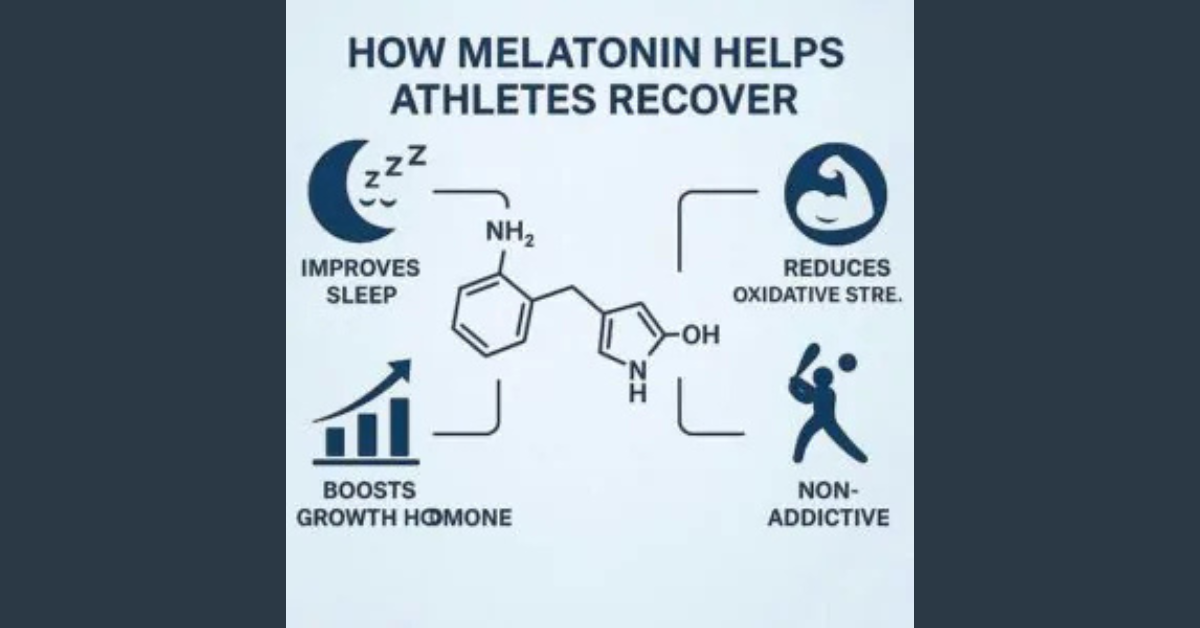
a) For Athletes – Context: After a competition, athletes frequently have a lot of adrenaline and cortisol in their bodies, which makes it hard to sleep even when they’re really tired. Celebrations after a win or a night match might make it even harder to sleep.
How Melatonin Works:
- Helps you sleep better by calming your nervous system after intense play.
- Reduces oxidative stress from physical activity, which protects muscles from free radical damage.
- Helps you recover by optimising growth hormone release during deep sleep, which helps repair tissue.
- Is not addictive like prescription sedatives, which can make you less able to perform the next day.
For example, a cricketer or tennis player who plays late into the night can take low-dose melatonin to reset their sleep cycle, wake up feeling better, and speed up their recuperation.
b) For Students After Taking Competitive Tests – Students who are getting ready for competitive examinations like the NEET, JEE, or UPSC typically have to study for a long time, sleep poorly, and feel more anxious. Adrenaline and stress hormones make it hard to “turn off” after tests.
How Melatonin Helps:
- It helps you go back into your natural sleep cycle after weeks or months of studying late at night.
- Helps the mind “cool down” by lowering sleeplessness caused by worry.
- Helps memory consolidation since deep sleep is necessary for moving information to long-term storage.
- Stops people from becoming dependent on sleep drugs that make them less attentive or make them used to them.
An example of a use case: In order to go back to a healthier schedule after the exam, a student who has been awake until 2–3 AM for months of study can utilise melatonin. This will help the mind and body.
c) For Patients Recovering After Surgery
Context: Patients who have just had surgery typically have trouble sleeping because of the hospital atmosphere, pain, worry, or the effects of anaesthesia. Not getting enough sleep slows down healing and makes inflammation worse.
What Melatonin Does to Help:
- Improves the quality of sleep without surgery or drugs.
- Works as an antioxidant and anti-inflammatory, which helps wounds heal faster and reduces tissue damage.
- May boost the immune system, which is very important after surgery.
- Lessens the requirement for sedative-hypnotics, which lowers the danger of dependency or adverse effects.
Example of how to utilise it: A middle-aged patient recuperating from orthopaedic surgery may utilise melatonin to regulate sleep patterns, expedite recuperation, and diminish oxidative stress associated with the procedure.
d) Other Special Situations
- Shift workers (IT, healthcare, airlines): Helps reset the body’s circadian clock that has been thrown off by night shifts.
- Older people: As they become older, their natural melatonin levels drop, but taking supplements can help them sleep better.
- Individuals with chronic illnesses (e.g., diabetes, hypertension): Enhanced sleep quality alleviates the total burden of disease.
Conclusion
Melatonin is more than simply a “sleep supplement.” It’s a precise tool for getting better, getting back on track, and being strong. Melatonin is a safe, effective approach to restore balance without becoming dependent, whether you’re an athlete soothing post-match adrenaline, a student unwinding after exams, or a patient restoring strength after surgery.
Practical Insights for Users
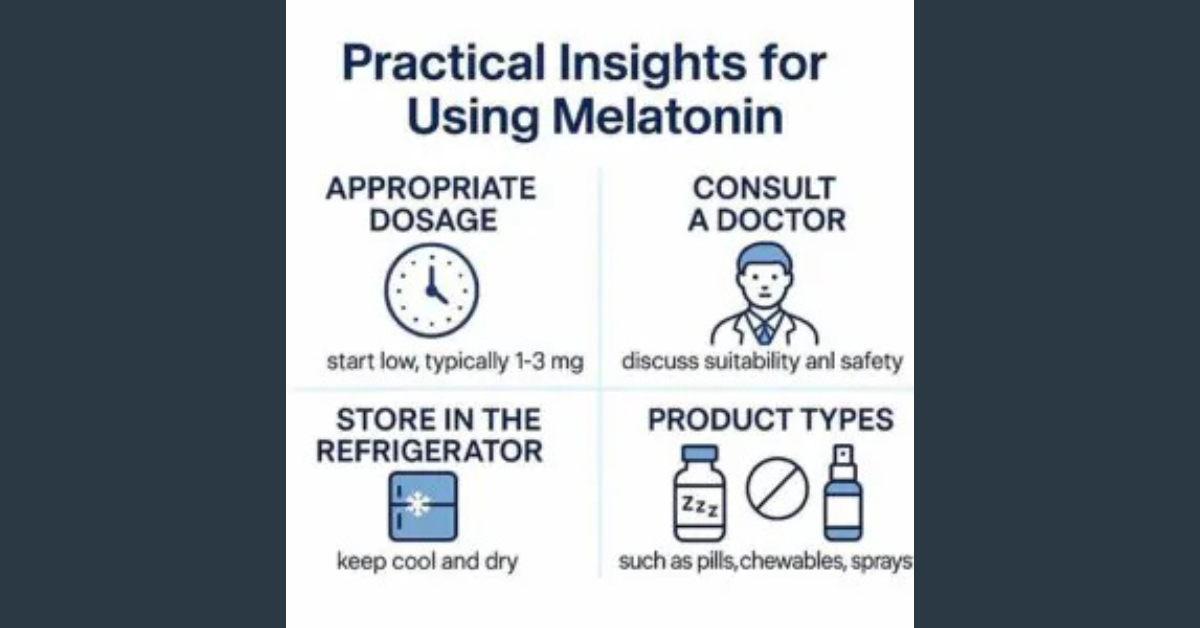
- Timing of the dose: Take 0.5 to 3 mg 30 to 60 minutes before bed. If you want to match your circadian rhythm (for example, with a delayed phase), try taking your medicine 2–3 hours before bed.
- It’s important for kids, pregnant or nursing women, individuals on blood thinners, and those with hormonal abnormalities to talk to a doctor.
- Storage: To keep liposomal products from breaking down, they may need to be kept in the fridge.
- Choosing format: Liposomal solutions are best for long-term, high-efficacy demands, while chewables and sprays can be better for short-term or convenience-first use.
Wrapping Up
Melatonin is not merely the “sleep hormone.” Its strength comes from the fact that it is a full-spectrum antioxidant, an inflammatory modulator, a circadian synchroniser, and a safe sleep
promoter. Melatonin is only marginally beneficial for sleep disturbances in terms of clinical effectiveness, but it is fantastic for cellular health, disease prevention, and realigning the body’s circadian rhythms.
Liposomal melatonin is the best since it absorbs better, works faster, and needs smaller dosages. It’s a fascinating approach that connects research with practical benefit, whether you want to improve your sleep, reset your internal clock, or support your long-term systemic health.
Get more sleep. Get back into the rhythm. Give your body support from the inside out. And do it the right way.
The 15 most common questions about melatonin supplements
What does melatonin do?
Ans – The pineal gland makes melatonin, which helps control the body’s sleep-wake cycle and makes you sleepy at night.
Is melatonin addictive?
Ans – No. Studies reveal that melatonin is not physiologically addictive, but some individuals may grow mentally dependent on it to help them sleep.
Can I take melatonin every night?
Ans – Using it every night for a short time is usually safe. Long-term safety is not yet fully determined, hence occasional reevaluation is recommended.
What dosage should I start with?
Ans – The usual dosage is between 0.3 mg and 10 mg. Lower amounts, such 0.3 to 1 mg, may work and not make you feel sleepy.
How long before bed should it be taken?
Ans – For optimal results, take melatonin 1 to 2 hours before you want to go to sleep.
Is it safe for kids to take melatonin?
Ans – Most people can handle short-term, low-dose consumption. Still, talk to a paediatrician first. Keep an eye out for weariness, irritability, or mood swings during the day.
What are the most prevalent adverse effects?
Ans – Headaches, dizziness, nausea, sleepiness, vivid nightmares, or changes in mood are some of the mild side effects.
Can melatonin cause a “hangover” effect?
Ans – High dosages or bad timing can still make you sleepy in the morning, even if this doesn’t happen as often with heavier sedatives.
Can I combine it with other medications?
Ans – Melatonin may not work well with blood thinners, anticonvulsants, or drugs that CYP1A enzymes break down. Always ask a chemist.
Does melatonin lose effectiveness over time?
Ans – There is little proof of tolerance. However, psychological dependence and sleep problems that are already there might make it seem less helpful.
Does it help with insomnia issues?
Ans – Melatonin could help you fall asleep faster by around 6 minutes, but there isn’t much proof that it works for insomnia.
Is it effective for jet lag or circadian disorders?
Ans – Yes, melatonin can help reset your internal clock and make jet lag or circadian rhythm issues less severe.
Is it regulated like a prescription drug?
Ans – No, melatonin is a dietary supplement in many countries, including the U.S. This means that it is less strictly controlled than prescription medications. The quality may not be the same.
What about long-term safety?
Ans – Short-term usage seems safe, but there isn’t enough information on the long-term consequences, especially in kids, pregnant women, or those with long-term health problems.
Can I just rely on melatonin instead of improving sleep habits?
Ans – No, sleep hygiene (a regular sleep schedule, less time spent on screens, and relaxing routines) should be the basis; melatonin should not replace good habits, but rather enhance them.