Introduction
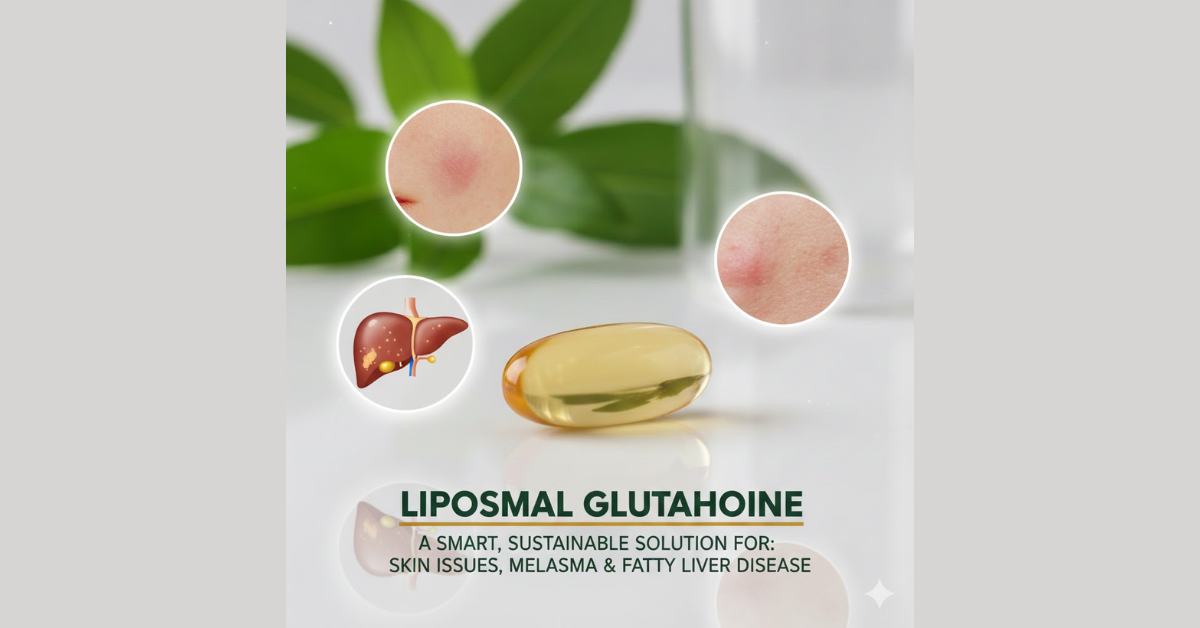
A Smart, Sustainable Solution for Skin Issues, Melasma & Fatty Liver Disease
In today’s medical landscape, we often see a common thread linking various conditions like melasma, premature skin aging, fatty liver disease, insulin resistance, and chronic fatigue syndromes: oxidative stress, chronic inflammation, toxin overload, and metabolic dysfunction. At the heart of this complex web is glutathione, the body’s most potent natural antioxidant and detoxifier.
However, restoring glutathione levels effectively can be tricky, especially when relying on traditional oral supplements or inconsistent injections. That’s where innovative delivery methods, like liposomal glutathione, come into play. When paired with biochemical precursors and complementary antioxidants, they provide a more dependable, safer, and user-friendly option.
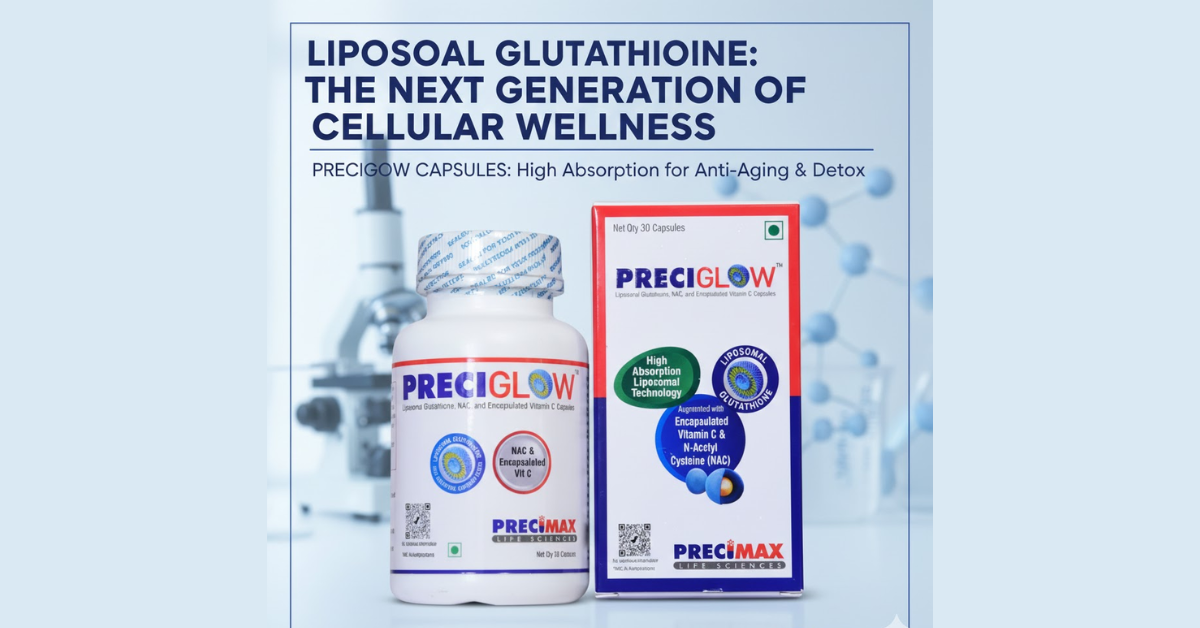
PRECIGLOW capsules embody this cutting-edge approach by combining high-strength liposomal glutathione, N-acetylcysteine (NAC), and liposomal vitamin C. This powerful blend is crafted to ensure consistent intracellular glutathione replenishment, leading to tangible improvements in skin pigmentation issues and metabolic liver health.
Why Glutathione Is Key for Skin and Liver Health
Glutathione (GSH) is a tripeptide made up of glutamate, cysteine, and glycine, and it’s mainly produced in the liver. It serves three crucial functions:
- Detoxifying the body through phase I and phase II liver pathways
- Neutralizing harmful reactive oxygen species (ROS)
- Regulating melanin production and inflammatory responses
When it comes to skin health, glutathione helps shift melanin production from eumelanin (the darker pigment) to pheomelanin (the lighter pigment). This makes it particularly important for conditions like melasma, post-inflammatory hyperpigmentation, and a dull skin tone.
In the liver, low levels of glutathione are often seen in fatty liver disease (NAFLD/NASH), alcohol-related liver damage, and drug-induced liver toxicity.
Why Conventional Oral Glutathione Often Falls Short
Even though oral glutathione tablets and capsules are commonly used, they often deliver disappointing and inconsistent results in clinical settings, and this can be attributed to several key issues:
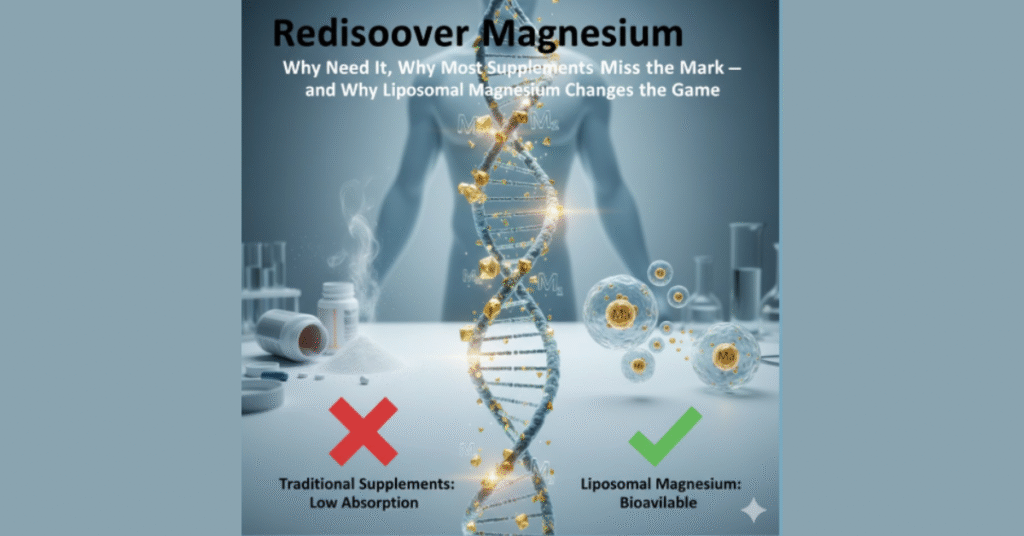
- They break down in gastric acid and through intestinal enzymes.
- Their large molecular size makes it tough for the intestines to absorb them effectively.
- They lead to only a slight increase in intracellular glutathione levels.
- There’s a lot of variability from one person to another.
Numerous clinical studies have shown that when plain reduced glutathione is taken orally, it barely raises systemic glutathione levels. This explains why many patients feel dissatisfied and often stop their treatment.
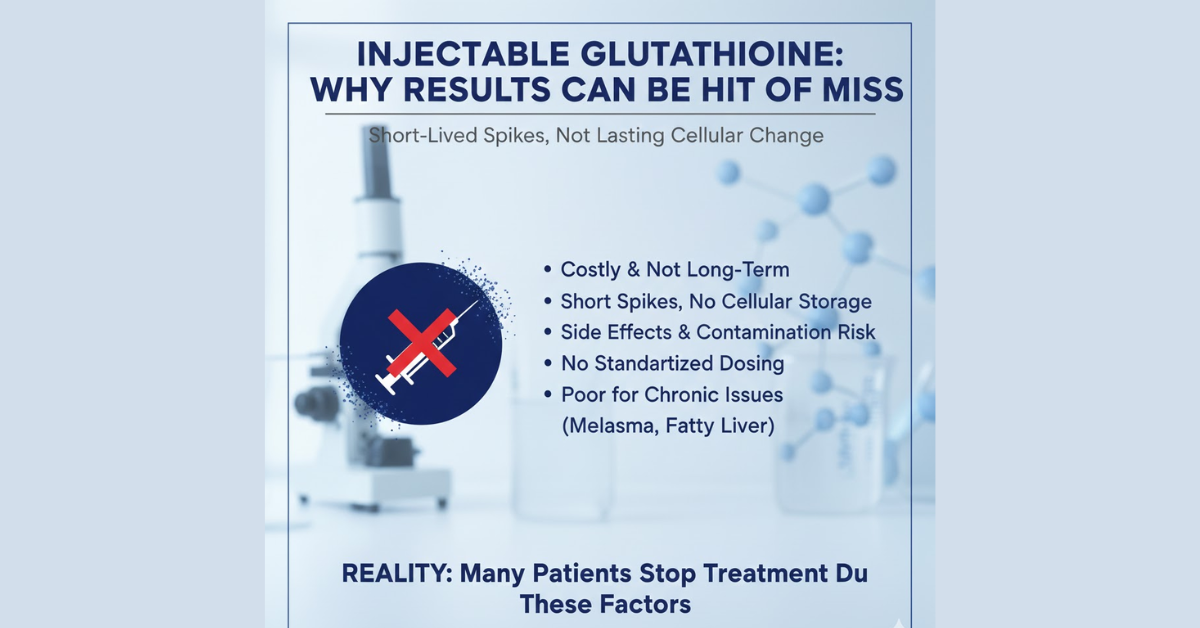
Injectable Glutathione: Why Results Can Be Hit or Miss
A lot of patients and clinics are opting for intravenous or intramuscular glutathione injections to see quicker results, especially in the world of cosmetic treatments. But this method comes with some notable downsides:
- It can be quite pricey, and sticking with it long-term can be tough.
- You get short-lived spikes in glutathione levels without lasting storage inside the cells.
- There’s a risk of side effects, contamination, and even misuse.
- There’s no standardization when it comes to dosing and treatment duration.
- It’s not the best option for chronic issues like melasma or fatty liver.
Because of these factors, it’s pretty common for patients to stop treatment or not follow through with the full protocol in real-life situations.
The Science Behind PRECIGLOW’s Unique 3-Ingredient Blend
PRECIGLOW isn’t just another glutathione supplement; it’s crafted to tackle every hurdle in glutathione therapy.
- Liposomal Glutathione – The Heart of the Formula
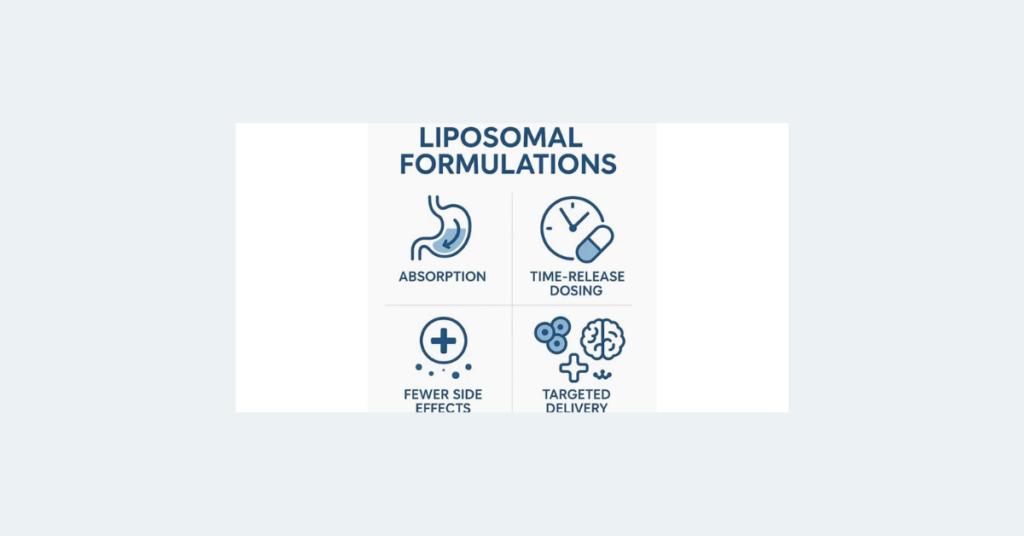
Liposomal technology wraps glutathione in tiny phospholipid vesicles that resemble human cell membranes. This innovative approach offers:
- Protection against stomach acids and enzymes
- Improved absorption in the intestines and lymphatic system
- Direct uptake by cells
- A steady release for lasting availability inside cells
- The ability to cross the blood-brain barrier, aiding in neuro-detoxification and managing oxidative stress
Unlike regular tablets, liposomal glutathione keeps its structure intact until it reaches the cells.
- N-Acetylcysteine (NAC) – The Key Player in Glutathione Production
When it comes to making glutathione, having enough cysteine is crucial. That’s where NAC comes in as a reliable source of cysteine, helping to:
- Boost the natural production of glutathione in liver cells
- Guard against oxidative damage to the liver
- Lower levels of inflammatory cytokines
- Aid in conditions like fatty liver, PCOD, insulin resistance, and chronic inflammation
By incorporating NAC, PRECIGLOW not only provides direct support but also promotes the body’s own ability to regenerate glutathione.
- Liposomal Vitamin C – The Regenerator & Melanin Modulator
Vitamin C plays a crucial role in:
- Recycling oxidized glutathione (GSSG) back into its active form, GSH
- Suppressing the activity of tyrosinase in melanocytes
- Boosting collagen production and aiding skin repair
- Working together with antioxidants for better defense
The liposomal version of Vitamin C ensures that your body absorbs it more effectively while minimizing any stomach discomfort, especially if you’re using it over a long period.
Clinical Evidence Supporting Each Component
Glutathione: A number of clinical trials have shown that when delivered effectively, glutathione can help reduce melasma, lighten skin, normalize liver enzymes, and lower oxidative stress.
N-Acetylcysteine: There’s solid evidence backing its effectiveness in treating fatty liver disease, managing acetaminophen toxicity, addressing insulin resistance, and alleviating inflammatory conditions.
Vitamin C: This vitamin is well-known for its benefits in reducing skin pigmentation, promoting collagen synthesis, recycling antioxidants, and modulating the immune system. Taking a combined approach reflects the natural metabolism of glutathione in the body, rather than just creating temporary spikes.
Comparison: Types of Glutathione & Clinical Utility
Form | Approx. Absorption | Key Issues | Clinical Reliability |
Reduced Glutathione (Tablet) | <30% | Destroyed in gut, poor uptake | Low |
Standard Oral L-Glutathione | 10–15% | High inter-individual variability | Inconsistent |
Injectable Glutathione | High (transient) | Costly, non-sustainable, variable response | Moderate |
Liposomal Glutathione | >40–60% | Requires correct formulation & dose | High & Consistent |
Why Many “Liposomal” Glutathione Products Don’t Live Up to the Hype
Not every product that claims to be “liposomal” actually delivers the results you’re looking for. Here are some common reasons why they fall short:
- Low levels of glutathione
- Instability of liposomes in tablet form
- Damage to liposomes during the compression process
- Dosing that’s too low to save on costs
PRECIGLOW tackles these challenges head-on by ensuring that liposomal integrity is preserved and that dosing is clinically relevant, so you can count on real-world effectiveness.
Clinical Experience with PRECIGLOW
In everyday practice, PRECIGLOW has consistently delivered impressive results in:
Fatty liver disease – noticeable improvements in ALT, AST, and ultrasound grading
Melasma – gradual lightening, fewer recurrences, and a more even skin tone
Chronic oxidative stress conditions – enhanced energy levels, clearer skin, and better metabolic markers
Dr. Shirish Patwardhan shares,
“Long-term use of liposomal glutathione combined with NAC shows much better compliance and lasting results compared to injectable treatments, particularly for women dealing with metabolic and hormonal issues.”
Dr. Pramila Gupta adds,
“For patients with melasma, consistency is more important than speed. Liposomal glutathione protocols provide safer and longer-lasting outcomes.”
Dr. Charulatha points out,
“Today’s patients are looking for non-invasive, sustainable options. PRECIGLOW is a great fit for long-term skin and liver health programs.”
Clinical Flow: How to Use Liposomal Glutathione Effectively
When to Start:
- Melasma, post-inflammatory hyperpigmentation (PIH), and dull skin
- Fatty liver disease
- Chronic oxidative stress
- Patients who can’t tolerate injections
How to Use:
- Take it daily by mouth
- Minimum duration: 8 to 12 weeks
- Pair it with lifestyle changes and dietary adjustments
What to Monitor:
- Liver enzymes (ALT, AST)
- Response of skin pigmentation
- Oxidative stress markers (if available)
When to Consider Injectable Glutathione:
- In cases of severe acute oxidative stress
- In hospital settings
- For short-term bridging only
Duration of Therapy:
- For skin conditions: 3 to 6 months
- For fatty liver: 3 to 9 months, depending on severity
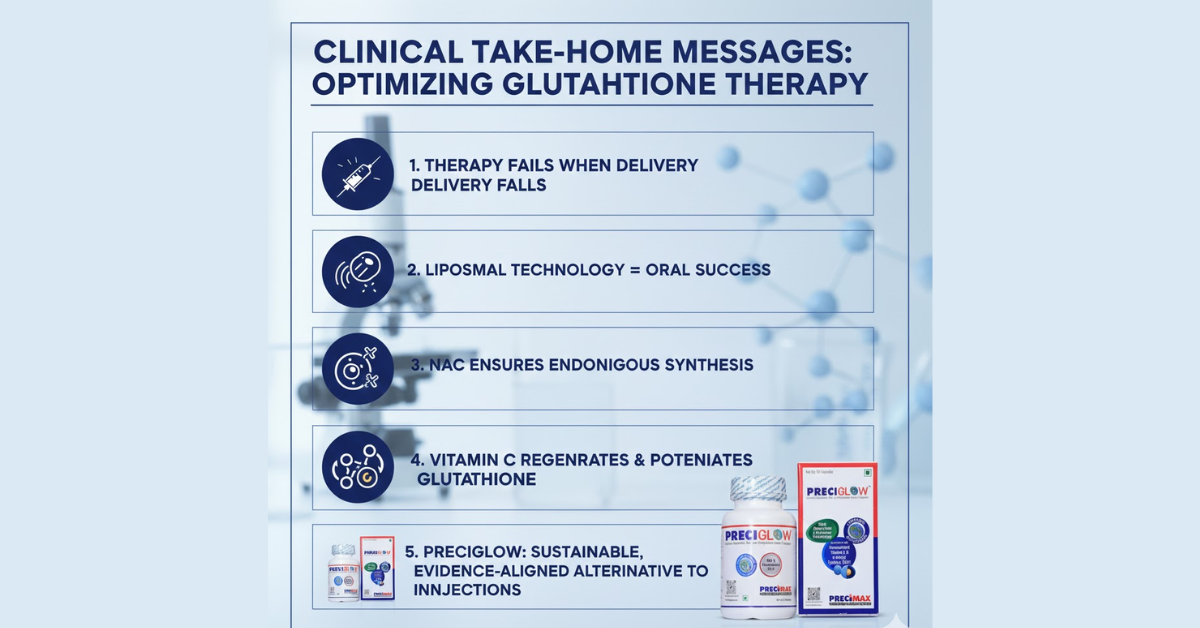
Key Take-Home Messages for Clinicians
- Glutathione therapy fails when delivery fails
- Liposomal technology is essential for oral success
- NAC ensures endogenous synthesis
- Vitamin C regenerates and potentiates glutathione
- PRECIGLOW offers a sustainable, evidence-aligned alternative to injections
Conclusion
The future of glutathione therapy lies not in higher doses or frequent injections, but in smart formulation design that respects human biochemistry.
PRECIGLOW, with its liposomal glutathione, NAC, and liposomal vitamin C, delivers consistent intracellular antioxidant restoration, making it an ideal choice for skin pigmentation disorders and metabolic liver disease in modern clinical practice.
Frequently Asked Questions (FAQs): Liposomal Glutathione – PRECIGLOW Capsules
- Why does oral glutathione traditionally show poor clinical results?
Conventional oral glutathione is largely degraded in the stomach and intestine, leading to poor systemic and intracellular absorption. This is why many patients report inconsistent or negligible outcomes.
2. Is liposomal glutathione clinically comparable to injectable glutathione?
Yes, for chronic conditions like melasma and fatty liver disease, liposomal glutathione provides more consistent and sustainable intracellular replenishment, without the risks and inconvenience of injections.
3. Why do many patients discontinue injectable glutathione?
Injectables are expensive, invasive, difficult to maintain long-term, and often provide only transient benefits—leading to poor compliance and incomplete treatment cycles.
4. What is the advantage of combining glutathione with N-acetylcysteine (NAC)?
NAC supplies cysteine, the rate-limiting amino acid required for endogenous glutathione synthesis. This dual approach supports both direct supplementation and internal regeneration.
5. Why is NAC important in fatty liver disease?
NAC improves hepatic glutathione levels, reduces oxidative stress, improves insulin sensitivity, and supports detoxification—making it highly relevant in NAFLD/NASH management.
6. What role does liposomal vitamin C play in this formulation?
Vitamin C regenerates oxidized glutathione back to its active form, supports collagen synthesis, suppresses excess melanin formation, and enhances overall antioxidant capacity.
7. Why use liposomal vitamin C instead of regular ascorbic acid?
Liposomal vitamin C offers higher bioavailability, better tissue penetration, and fewer gastric side effects—especially important for long-term use.
8. Can PRECIGLOW help in melasma recurrence prevention?
Yes. By correcting oxidative stress and modulating melanogenesis at a cellular level, liposomal glutathione-based therapy helps reduce recurrence when used consistently.
9. How long should PRECIGLOW be used for visible skin benefits?
Clinical improvements are typically observed within 8–12 weeks, with optimal results seen over 3–6 months depending on severity and compliance.
10. Is PRECIGLOW suitable for long-term use?
Yes. Liposomal glutathione, NAC, and vitamin C are physiologically aligned and safe for long-term use when taken within recommended doses.
11. Can PRECIGLOW be used alongside dermatological procedures?
Yes. It complements procedures like chemical peels, laser treatments, and topical depigmenting agents by reducing oxidative stress and supporting skin recovery.
12. Should liver enzymes be monitored during therapy?
In patients with fatty liver or metabolic conditions, periodic monitoring of ALT, AST, and metabolic parameters is advisable to document clinical improvement.
13. Is PRECIGLOW useful in alcohol-related or drug-induced liver injury?
It can be supportive by restoring glutathione reserves, but should be used as an adjunct—not a substitute—for standard medical management.
14. Can liposomal glutathione cross the blood–brain barrier?
Liposomal nano-particle delivery enhances cellular penetration and may support brain antioxidant status, unlike conventional oral glutathione.
15. Why do many “liposomal glutathione” products fail clinically?
Common reasons include low glutathione concentration, unstable liposomes, tablet compression destroying liposomal structure, and sub-therapeutic dosing.
16. How is PRECIGLOW different from other glutathione supplements in the market?
PRECIGLOW uses clinically meaningful concentrations, stable liposomal delivery, and synergistic co-factors—designed for real-world clinical outcomes, not just label claims.
17. Can PRECIGLOW be used in PCOD, insulin resistance, or metabolic syndrome?
Yes. By improving oxidative stress and hepatic glutathione status, it supports metabolic health and hormonal balance
18. When should injectable glutathione still be considered?
Injectables may be reserved for acute, hospital-based situations or severe oxidative stress—but are not ideal for long-term outpatient management.
19. What is the biggest clinical takeaway for practitioners?
Glutathione therapy succeeds only when delivery, dose, duration, and regeneration pathways are addressed together—which is exactly what a liposomal + NAC + vitamin C strategy offers.ow does liposomal glutathione overcome this limitation?
Liposomal glutathione is encapsulated in phospholipid nano-vesicles that protect it from digestion and allow direct cellular uptake, significantly improving bioavailability a