Why Bioavailability Focused Nutraceutical Science Is Reshaping Chronic Disease Management
Chronic diseases represent one of the greatest challenges in modern medicine. Conditions such as inflammatory bowel disease (IBD), osteoarthritis, rheumatoid arthritis, diabetes related complications, neurodegenerative disorders, and chronic inflammatory states require long term disease control, remission maintenance, and minimisation of treatment related side effects, rather than short term symptomatic relief alone.
Over the last two decades, nutraceuticals and phytoceuticals have gained increasing recognition as evidence based adjuncts in functional and preventive medicine. However, despite strong mechanistic and clinical data, many nutraceuticals have failed to deliver consistent real world outcomes. The reason is not a lack of biological activity, but a fundamental pharmacological limitation:
Poor bioavailability, short duration of action, and inability to achieve sustained therapeutic serum levels.
This limitation is precisely where liposomal delivery technologies are redefining the clinical role of nutraceuticals in chronic disease management.
Why Bioavailability Is the Central Bottleneck in Nutraceutical Therapy
Most nutraceutical and phytoceutical ingredients share intrinsic pharmacokinetic challenges:
- Low water solubility
- Degradation in gastric acid and digestive enzymes
- Limited intestinal permeability
- Rapid first pass hepatic metabolism
As a result, even well studied molecules such as curcumin, boswellic acids, berberine, resveratrol, vitamin D3, magnesium, melatonin, and probiotics often fail to reach or sustain therapeutic plasma concentrations when delivered in conventional oral forms.
From a clinical perspective, this leads to:
- Variable patient response
- Inconsistent biomarker improvement
- Need for high doses
- Gastrointestinal intolerance
- Reduced clinician confidence
Functional medicine protocols do not fail because the molecules lack evidence — they fail when delivery systems do not match clinical intent.
How Liposomal Delivery Addresses These Limitations
Liposomal Delivery and Chronic Conditions: What the Latest Clinical Research Says
Why Bioavailability Focused Nutraceutical Science Is Reshaping Chronic Disease Management
Chronic diseases represent one of the greatest challenges in modern medicine. Conditions such as inflammatory bowel disease (IBD), osteoarthritis, rheumatoid arthritis, diabetes related complications, neurodegenerative disorders, and chronic inflammatory states require long term disease control, remission maintenance, and minimisation of treatment related side effects, rather than short term symptomatic relief alone.
Over the last two decades, nutraceuticals and phytoceuticals have gained increasing recognition as evidence based adjuncts in functional and preventive medicine. However, despite strong mechanistic and clinical data, many nutraceuticals have failed to deliver consistent real world outcomes. The reason is not a lack of biological activity, but a fundamental pharmacological limitation:
Poor bioavailability, short duration of action, and inability to achieve sustained therapeutic serum levels.
This limitation is precisely where liposomal delivery technologies are redefining the clinical role of nutraceuticals in chronic disease management.
Evidence Based Nutraceuticals Strengthening Chronic Care Protocols
Curcumin
Curcumin is among the most extensively studied natural anti inflammatory molecules, with evidence supporting its role in modulating NFκB, COX2, cytokines, and oxidative stress pathways. However, conventional curcumin suffers from extremely poor oral bioavailability.
Why Liposomal / Micellar Curcumin Delivers Superior Clinical Outcomes
Liposomal and micellar curcumin formulations encapsulate curcuminoids within lipid carriers, protecting them from degradation and markedly improving absorption. Clinical studies demonstrate that bioavailable curcumin formulations achieve significantly higher plasma levels at lower doses, enabling consistent systemic anti inflammatory effects. This improves outcomes in osteoarthritis, rheumatoid arthritis, IBD, and metabolic inflammation, while reducing gastrointestinal intolerance associated with high dose conventional curcumin.
In clinical practice, Cucimax, a liposomal/micellar curcumin formulation, is increasingly used to support long term inflammation control and remission maintenance, particularly where NSAID toxicity is a concern.
Boswellia (Boswellic Acids)
Boswellia serrata extracts, particularly AKBA, inhibit 5lipoxygenase mediated inflammatory pathways and are widely used in chronic joint disorders.
Why Advanced Delivery Enhances Boswellia Efficacy
Boswellic acids exhibit limited absorption in conventional extracts. Liposomal or advanced delivery systems improve tissue exposure and prolong systemic availability, allowing anti inflammatory effects at lower, better tolerated doses. This is especially valuable in chronic osteoarthritis and rheumatoid arthritis, where long term NSAID use is restricted by gastrointestinal, renal, and cardiovascular risks.
Berberine
Berberine has demonstrated effects comparable to metformin in improving glycaemic control, insulin sensitivity, and lipid metabolism, but is notoriously poorly absorbed.
Why Liposomal Berberine Improves Metabolic Outcomes
Enhanced delivery berberine formulations improve intestinal uptake and plasma availability, resulting in more predictable metabolic responses. Improved bioavailability allows therapeutic benefits at lower doses, reducing gastrointestinal discomfort and improving adherence in long term metabolic syndrome and type 2 diabetes support protocols.
Resveratrol
Resveratrol is valued for its antioxidant, endothelial, and anti aging effects, but is rapidly metabolised when taken orally.
Why Liposomal Resveratrol Enhances Clinical Impact
Liposomal resveratrol improves plasma persistence and tissue exposure, supporting endothelial function, mitochondrial health, and neuroprotection. Precimax Liposomal Resveratrol exemplifies how delivery science enables resveratrol to function at clinically meaningful levels, particularly in cardiovascular risk modulation and longevity focused preventive strategies.
Vitamin D3
Vitamin D3 deficiency is widespread, yet conventional supplementation often results in unpredictable serum correction, particularly in obesity, aging, and gut disorders.
Why Liposomal Vitamin D3 Achieves Better Serum Correction
Liposomal vitamin D3 enhances intestinal uptake and reduces inter individual variability in serum 25 hydroxyvitamin D response. Clinical experience shows that liposomal D3 often achieves target levels with lower cumulative doses, improving safety and consistency in long term supplementation. Precimax MGD3, combining liposomal magnesium and vitamin D3, further supports bone, muscle, and immune health through synergistic delivery.
Magnesium
Magnesium plays a central role in neuromuscular function, insulin signaling, mitochondrial energy production, and stress regulation.
Why Liposomal Magnesium Improves Intracellular Availability
Traditional magnesium salts often cause gastrointestinal side effects and inconsistent absorption. Liposomal magnesium improves cellular uptake, enabling clinical benefits at smaller doses with better tolerance. This makes it particularly suitable for chronic stress states, metabolic disorders, muscle cramps, and neurological conditions. Precimax MGD3 leverages this advantage by combining liposomal magnesium with vitamin D3 for enhanced musculoskeletal outcomes.
Melatonin
Melatonin is increasingly recognised for roles beyond sleep, including immune modulation, antioxidant defense, and neuroprotection.
Why Liposomal Melatonin Offers Better Clinical Control
Liposomal melatonin improves bioavailability and achieves faster, more predictable systemic availability. This often allows effective outcomes at lower doses, reducing next day sedation and variability. Precimax Melatonin, delivered in liposomal form, is therefore well suited for long term use in circadian rhythm disorders, chronic inflammation, and neurodegenerative support protocols.
Iron
Iron deficiency remains highly prevalent, but conventional iron salts are poorly tolerated and inconsistently absorbed.
Why Liposomal Iron Improves Efficacy and Tolerability
Liposomal iron bypasses direct contact with the gastrointestinal mucosa, significantly reducing nausea, constipation, and irritation. At the same time, it improves absorption efficiency. Precifer, a liposomal iron formulation, is increasingly preferred in clinical practice for safe, sustained correction of iron deficiency without the side effect burden of traditional iron preparations.
Liposomal Nutraceuticals in Chronic Disease Remission & Maintenance
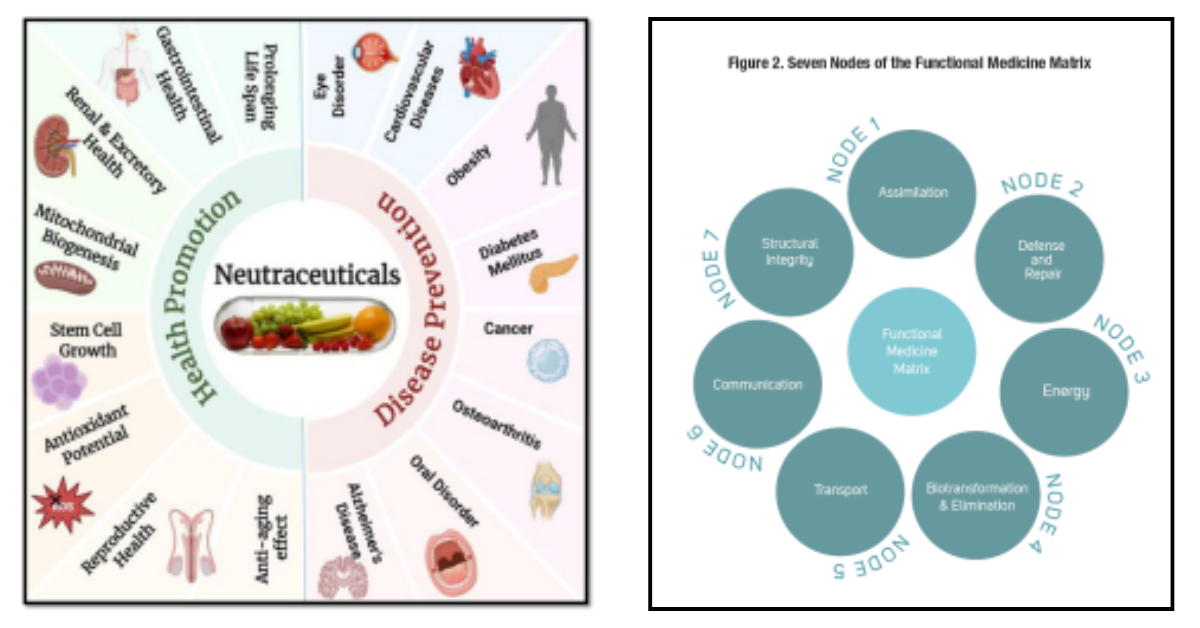
Inflammatory Bowel Disease (IBD)
Liposomal curcumin and antioxidant formulations support mucosal inflammation control and oxidative balance, helping maintain remission without immunosuppressive burden.
Osteoarthritis & Rheumatoid Arthritis
Liposomal curcumin and boswellia reduce reliance on NSAIDs, supporting pain control, mobility, and long term joint health.
Chemoprevention
By modulating inflammatory and oxidative pathways, liposomal curcumin, resveratrol, and glutathione support preventive strategies without cytotoxicity.
Diabetic Retinopathy & ARMD
Improved delivery of antioxidants and micronutrients supports microvascular integrity and retinal health.
Neurodegenerative Disorders
Liposomal delivery enhances systemic availability of neuroprotective nutraceuticals, supporting long term cognitive resilience.
Gut Dysbiosis & Metabolic Inflammation
High absorption nutraceuticals help restore gut integrity and metabolic balance in chronic inflammatory states.
Why Liposomal Technology Aligns with Long Term Chronic Care
Chronic diseases are rarely “cured”; they are managed, stabilised, and kept in remission. Liposomal nutraceuticals align with this philosophy because they:
- Enable long term use with better tolerability
- Reduce drug related side effects
- Support physiological pathways rather than override them
- Improve adherence and clinician confidence
This formulation first approach is a key focus of Precimax Life Sciences, where delivery science, stability, and clinical compatibility are prioritised alongside ingredient selection.
Conclusion: From Ingredients to Outcomes
The future of functional and preventive medicine lies not in adding more supplements, but in delivering the right molecules, in the right form, for the right clinical context.
Liposomal delivery technologies allow nutraceuticals to perform at clinically meaningful levels, transforming them from supportive add ons into reliable components of chronic disease management and prevention.
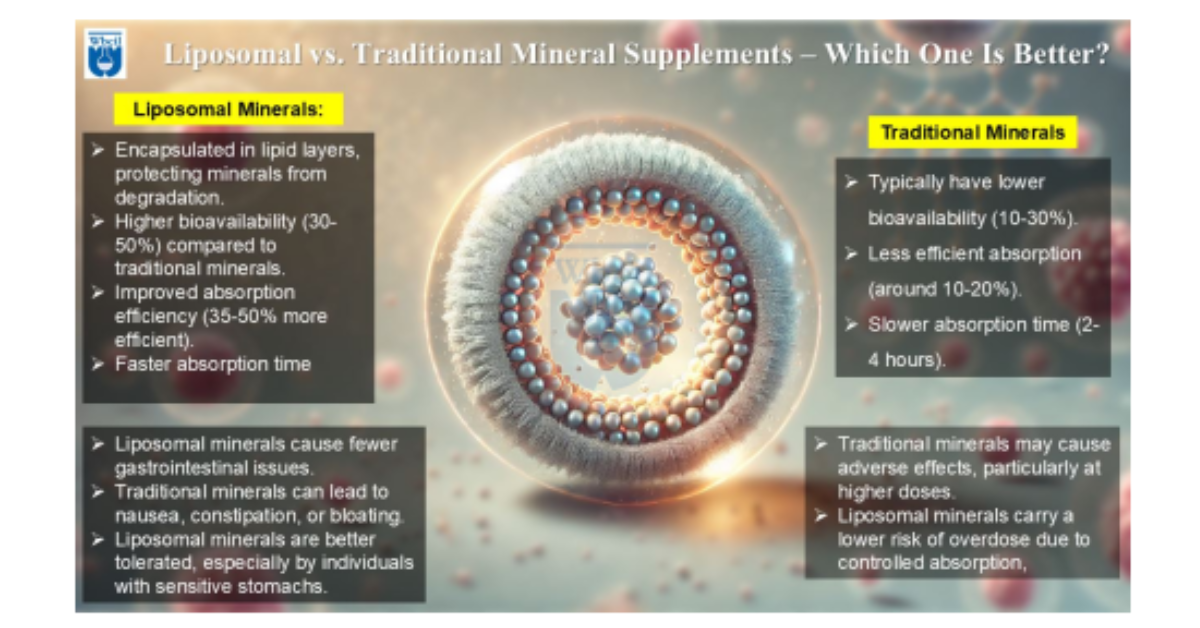
Why Liposomal Formulations Perform Better Clinically
Parameter | Conventional | Liposomal |
Absorption | Variable | High |
Dose needed | Higher | Lower |
GI tolerance | Moderate | Better |
Plasma consistency | Inconsistent | Predictable |
Long term use | Limited | Ideal |
Clinical Takeaway
Formulation quality determines clinical reliability.
Actives Where Bioavailability Determines Clinical Success
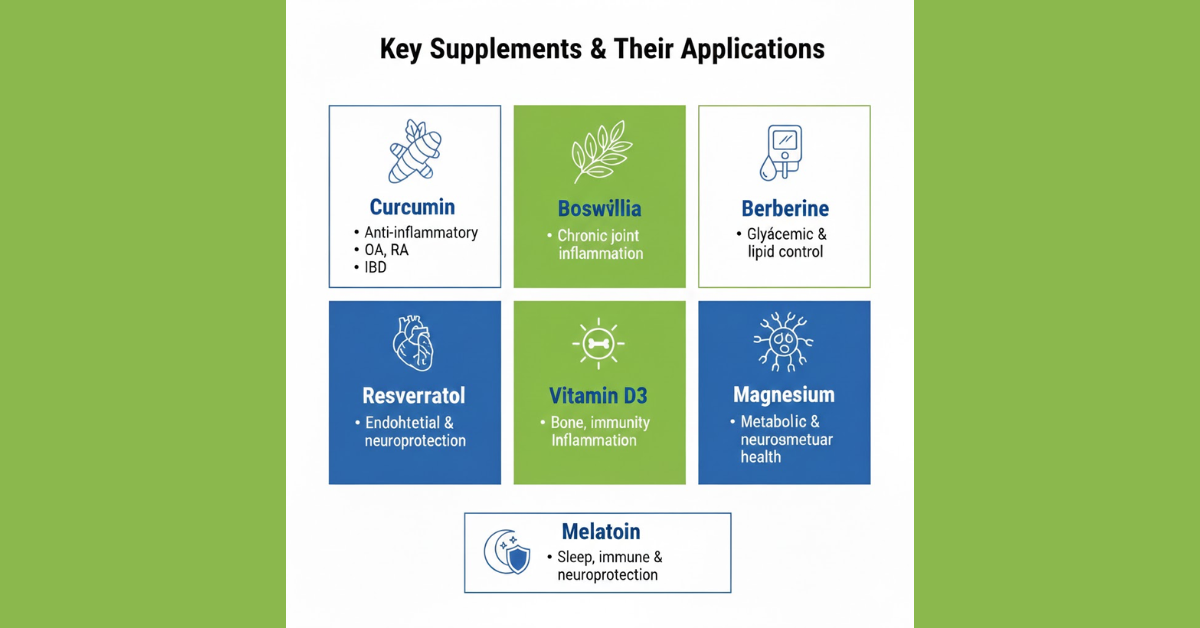
Clinical Takeaway
These actives show improved outcomes only when absorption is optimized.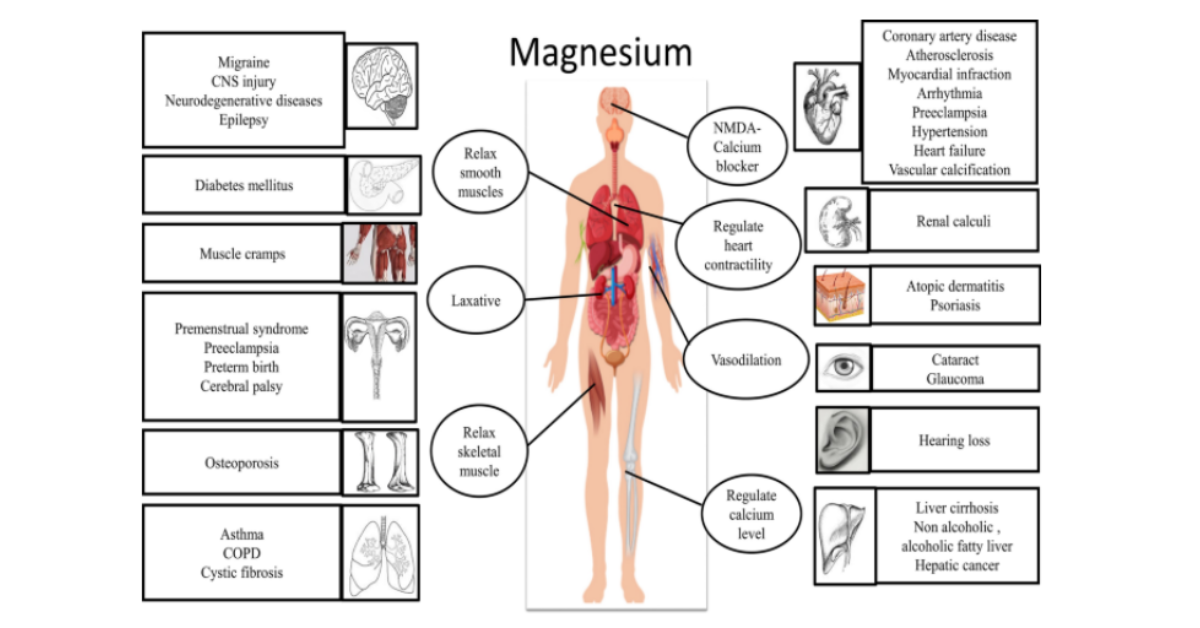
The Future: Precision Nutraceuticals for Chronic Care
The future of functional medicine lies in:
- Right molecule
- Right delivery system
- Right clinical context
Liposomal technology is not a trend — it is a pharmacological evolution that allows natural compounds to perform at clinically meaningful levels.
Frequently Asked Questions (FAQs)
- Why is bioavailability critical in chronic disease nutraceutical therapy?
Chronic diseases require sustained systemic exposure. Poor bioavailability leads to inconsistent outcomes and limits clinical effectiveness.
- Are liposomal nutraceuticals scientifically validated?
Yes. Multiple pharmacokinetic and clinical studies confirm improved absorption and plasma levels.
- Can liposomal formulations reduce side effects?
Yes. Lower effective doses and reduced GI irritation improve tolerability.
- Are liposomal nutraceuticals suitable for long term use?
When well formulated and clinically guided, they are ideal for long term protocols.
- Do liposomal formulations replace medicines?
No. They complement medical therapy and support remission and prevention.
- Why are phytoceuticals especially dependent on liposomal delivery?
Most plant based actives have poor solubility and rapid metabolism.
- Is liposomal curcumin superior for arthritis?
Yes, especially for chronic use where NSAID toxicity is a concern.
- Can liposomal nutraceuticals help maintain disease remission?
They support inflammatory control, oxidative balance, and metabolic stability.
- Are liposomal supplements better for elderly patients?
Yes, due to reduced digestive efficiency in aging.
- Do liposomal products require lower doses?
Often yes, due to improved absorption.
- Is liposomal delivery relevant in gut disorders?
Yes, especially where mucosal inflammation and dysbiosis exist.
- Can liposomal magnesium help metabolic disorders?
Improved intracellular delivery supports insulin sensitivity and energy metabolism.
- Are liposomal antioxidants useful in neurodegeneration?
They improve systemic and potentially CNS availability.
- Is liposomal melatonin only for sleep?
No, it also supports immune and neuroprotective pathways.
- Are all liposomal products equally effective?
No. Stability, particle size, and formulation science matter.
- Does liposomal delivery improve patient compliance?
Yes, due to better tolerance and predictable results.
- Are liposomal nutraceuticals evidence based or marketing driven?
High quality products are evidence driven; formulation quality is key.
- Can liposomal nutraceuticals reduce drug dependency?
They may reduce dose escalation and side effect burden.
- Is liposomal technology relevant to preventive medicine?
Absolutely. Prevention requires long term safe modulation.
- Will liposomal delivery become standard in chronic care?
Increasingly yes, especially for difficult to absorb actives.
Selected References
- Kunnumakkara AB et al. Curcumin: clinical evidence and bioavailability challenges.
- Hewlings SJ et al. Curcumin bioavailability and delivery systems.
- Di Pierro F et al. Liposomal iron clinical tolerability studies.
- Andersen LP et al. Melatonin beyond sleep: antioxidant and immune roles.
- Zeng Y et al. Curcumin and metabolic disease: systematic review.