Health supplements have evolved from being just a trend to becoming essential in our modern lives. With the rise of fast food, long working hours, stress, pollution, limited sunlight, poor soil nutrition, and sedentary habits, many of us are facing nutritional deficiencies earlier in life, slower recovery times, and a decline in overall vitality. Recent research shows that bioavailable supplements can help mitigate diseases, lessen the side effects of medications, and improve recovery outcomes, especially when they’re introduced early on. As we approach 2026, we’re entering an era of smart supplementation, where people will move away from randomly taking pills to selecting scientifically formulated, personalized, and clinically relevant supplements tailored to their unique biology. To help navigate this transition, here are 21 essential rules everyone should know to use supplements safely, effectively, and with confidence.

Supplements are not replacements — they are reinforcements
Food is the foundation of life. Supplements are here to bridge the nutritional gaps. They can’t substitute for sleep, a balanced diet, or exercise, but when used properly, they can boost metabolism, support immune function, enhance joint health, and speed up recovery.
Who needs supplements?
More people than you might think You might benefit from supplements if you:
- Have low levels of vitamins, minerals, or antioxidants
- Feel fatigued, have a low mood, or get limited sunlight
- Deal with PCOD, thyroid problems, anemia, or menopause symptoms
- Are a senior dealing with joint pain or muscle loss
- Are a student or professional looking to boost cognitive performance
- Are an athlete or amateur sports enthusiast
- Are recovering from surgery or illness
- Follow a low-protein or vegetarian/vegan diet
- Struggle with weight loss or nutrient absorption issues
Dr. Madhusudhan, an Orthopedic & Geriatric Specialist from Bangalore, notes:
“Many seniors don’t lack medication — they lack protein, Vitamin D, magnesium, creatine, and collagen. Once they start supplementing, their mobility improves more quickly and with less pain.”
Why supplements are important today In our modern world
we often face hidden nutrient gaps:
- Our soil is 40–70% depleted of minerals
- Vegetables have less iron and zinc than they did two decades ago
- Living indoors limits our Vitamin D production
- Stress quickly depletes B-vitamins
- Processed foods can inflame the gut, making nutrient absorption harder Supplements can help restore our biological balance, allowing our bodies to function at their best.

What to expect from taking supplements
Let’s be clear:
Supplements aren’t miracle cures — but if you stick with them, you can look forward to:
- More energy and stamina
- Improved sleep and mood
- A healthier glow for your skin and hair
- Quicker recovery after injuries
- Better support for your bones and joints
- Increased muscle mass and a boosted metabolism
- Less inflammation
- Reduced reliance on medications for some conditions*
- Shorter treatment times when started early
- Support in preventing diseases Remember, supplements work best when they complement a healthy lifestyle, not replace it.
Take it slow — build your foundation Start with the essentials for your core supplement stack:
- Vitamin D3 + Magnesium
- Vitamin C
- Omega-3/Fish oil
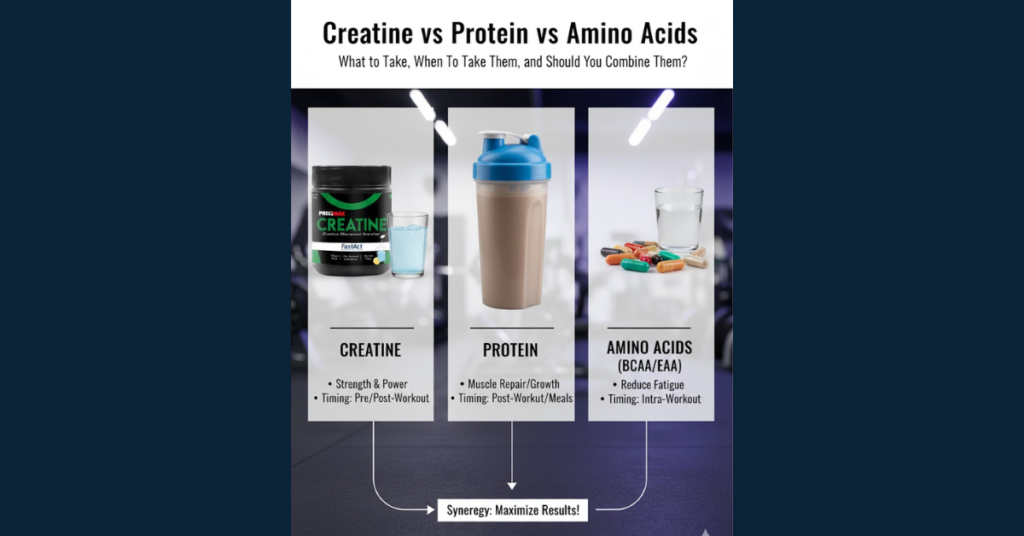
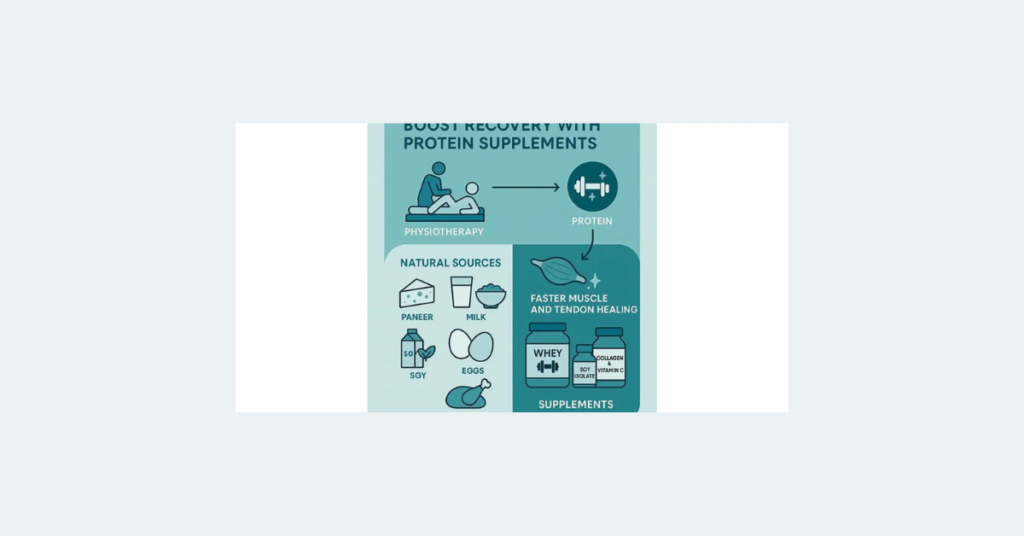
- Protein (Whey/Plant/EAA)
- Probiotics + Fiber
- Multivitamin/Mineral blend
- Creatine (for strength, energy, and cognitive support) Once you have these down, you can add supplements tailored to your goals, like Curcumin, Resveratrol, Glutathione, Collagen, Lactoferrin, and more.
How to start supplements — step-wise
✔ Do baseline blood tests
✔ Choose supplements based on goals/deficiencies
✔ Begin morning basics (Vit D + Omega + Probiotic)
✔ Add protein/creatine if exercising
✔ Track symptoms every 6–8 weeks
Formula: Start Low → Stabilize → Scale
How to stop supplements
Some are long-term, some cyclic:
Daily/Long-term safe:
Vitamin D, Omega-3, Magnesium, Vitamin C, Probiotics, Creatine, Protein
Cyclic:
Iron, B12, Curcumin, Glutathione, Resveratrol, Adaptogens
Stop gradually. Avoid abrupt discontinuation of essential nutrients if deficient.
The one-size-fits-all approach is becoming a thing of the past.
Factors like age, sleep patterns, hormones, gut health, stress levels, genetics, and dietary habits make it clear that personalization is key.
Dr. Sundar, a Medical Writer and Data Scientist from Chennai, shares his insights:
“The era of generic supplementation is coming to an end. By 2026, we can expect precision nutrition, driven by biomarkers and AI personal profiling, to take center stage.
Not all supplements are created equal
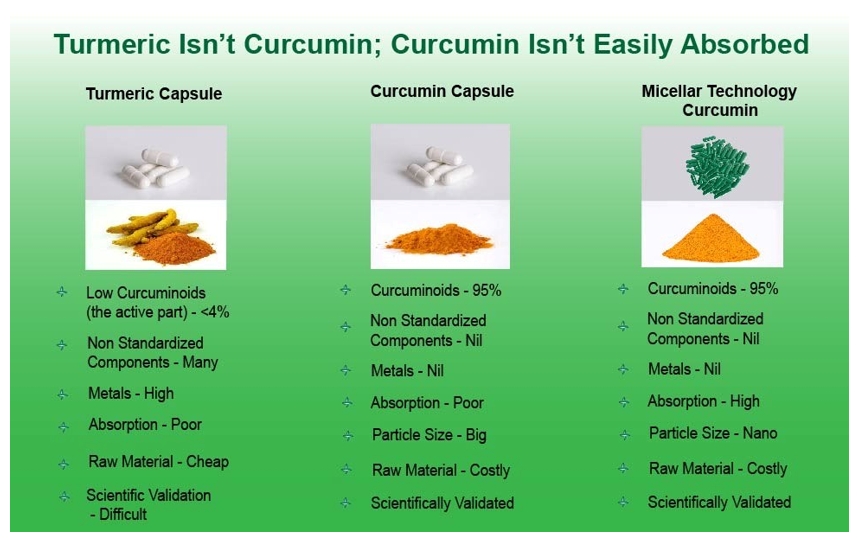
You might find two products with similar labels, but their absorption rates and clinical results can be worlds apart. The quality hinges on factors like the purity of the raw materials, the dosage, the form, and how the supplement is delivered. For instance, ₹200 worth of calcium carbonate is not the same as ₹900 for calcium citrate. And regular Vitamin C? It’s not on the same level as Liposomal Vitamin C. While cheaper supplements might seem like a good deal, they often lead to poor absorption, which means disappointing results.
Technology shapes effectiveness
Modern delivery systems are game-changers, including:
- Liposomal
- Nanosomal
- Micellar
- Chelated minerals
- Encapsulated actives
- Sustained-release These innovations boost absorption, minimize gastric irritation, and enhance clinical outcomes.
→ Increase absorption, reduce gastric irritation & improve clinical outcomes.
Liposomal Supplements — a game changer
Liposomal means nutrients are encased in fat-based vesicles, leading to 3–10 times better absorption. Benefits:
- Skips stomach breakdown
- Increased bioavailability
- Quick and sustained release
- Easy on the stomach
- More effective with smaller doses
Dr. Hasinin Irani, an Anti-Aging Specialist from Mumbai, shares:
“Liposomal glutathione and resveratrol provide results that standard powders just can’t match. They’re genuine anti-aging powerhouses.”
Should you consult a doctor about supplements?
Ideally, YES — especially if you:
- Are on long-term medications
- Have a chronic illness
- Are pregnant or breastfeeding
- Have autoimmune or metabolic conditions
- Experience liver or kidney issues Having medical supervision ensures safety, accurate dosing, and proper monitoring.
Tests to consider before starting any supplements:
- Complete Blood Count (CBC), Iron studies, Ferritin levels
- Vitamin B12, Vitamin D3, Calcium levels
- Thyroid Profile
- HbA1c & Fasting Insulin tests
- Liver Function Tests (LFT), Kidney Function Tests (KFT)
- Lipid Profile
- C-Reactive Protein (CRP) for inflammation
- Microbiome test (especially if you have gut issues)
Tests to repeat after 8–12 weeks:
- Recheck Vitamin D and B12 if you’ve been supplementing
- Check ferritin levels if you’re taking iron
- Omega index after 12 weeks
- Monitor muscle strength if you’re using creatine or whey Tracking your progress means you can see real results.
Do supplements interact with medications?
Some can enhance effects, while a few might inhibit — so it’s important to stay informed. Positive interactions include:
- Omega-3s can improve lipid control
- Curcumin may lower the need for NSAIDs
- Creatine is generally safe for healthy kidneys Always consult your doctor if you’re on blood thinners, thyroid meds, or steroids.
Top evidence-based supplements for 2026:
- For Joints → Curcumin • Boswellia AKBA • Collagen-II • Bromelain
- For Anti-Aging → Glutathione • Resveratrol • NMN For Immunity → Vitamin C • Zinc • Lactoferrin • Probiotics
- For Energy → B-Complex • CoQ10 • Iron (if you’re deficient)
- For Brain Focus → Omega-3 • Creatine • Lion’s Mane • Magnesium
- For Muscle Fitness → Whey Protein • Creatine • Essential Amino Acids (EAA)
- For Women → D3+K2 • Omega-3 • Iron/Lactoferrin • Magnesium
- For Gut Health → Probiotics + Fiber

The core philosophy of supplements
- Prioritize your lifestyle — soak up some sunlight, get quality sleep, and stay active
- Opt for trusted brands — look for GMP certification, clean labels, and lab testing
- Steer clear of sugary gummies and cheap fizzy mixes
- Keep track of your progress with a journal and lab results 21. Remember, consistency is key — think of your health as compound interest
FAQ
- How long to take supplements?
3 months for correction, longer for maintenance. - Can I take multiple supplements?
Yes — space absorbents (iron/calcium) apart. - Are liposomal forms worth it?
Yes — smaller doses, stronger results. - Best time for Vitamin D?
Liposomal anytime; normal D3 with fats. - Creatine + EAA for athletes?
Absolutely recommended — improves recovery & strength. - Can supplements replace food?
Never — they elevate nutrition, not substitute. - When will I see results?
Energy 2–4 weeks • Labs 8–12 weeks • Body 12–24 weeks. - Safe for seniors?
Mostly yes with supervision. - Safe for diabetics?
Yes, but dosage & interactions must be monitored. - Can kids take supplements?
Only pediatric-safe formulas when clinically advised.
Final Message
2026 is the year of scientific supplementation.
Know your body. Test wisely. Personalize. Be consistent.
Supplements aren’t shortcuts — they are health accelerators that turn fatigue into vitality, pain into mobility, and aging into graceful strength.