An Evidence Review Shaping the Future of Functional & Preventive Medicine
Functional and preventive medicine has entered a decisive phase. As clinicians increasingly rely on nutraceuticals to complement disease management and prevention strategies, one critical question dominates professional conversations:
Do supplements actually reach therapeutic levels in the body?
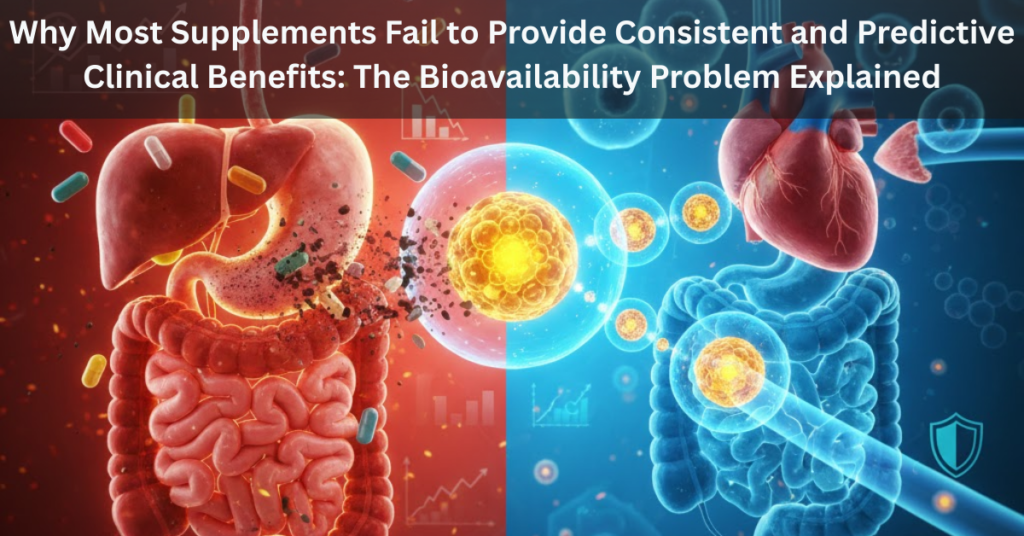
Traditional supplements—despite strong biochemical rationale—often fail clinically due to poor absorption, rapid degradation, and inconsistent bioavailability. This limitation has historically created skepticism among healthcare professionals. However, liposomal and advanced bioavailable formulations are rapidly changing this narrative, offering renewed confidence in nutraceutical protocols across metabolic, immune, musculoskeletal, and preventive healthcare.
This article critically reviews liposomal vs. non‑liposomal supplements, examines clinical evidence across key nutrients, and explains why advanced formulations are redefining functional and preventive medicine—particularly in the Indian clinical context.
The Core Problem with Conventional Supplements
Most traditional oral supplements face three fundamental challenges:
- Low aqueous solubility
- Degradation in gastric acid
- First‑pass metabolism in the liver
As a result, only a small fraction of the ingested dose enters systemic circulation. Even high‑dose supplementation often produces sub‑therapeutic plasma levels, leading to variable or disappointing clinical outcomes.
Dr. Anna George, Functional Medicine Specialist, Mumbai, notes:
“Many clinicians hesitate to prescribe nutraceuticals not because the molecules lack evidence, but because delivery systems fail to match clinical expectations.”
What Are Liposomal Supplements?
Liposomal formulations encapsulate active nutrients within phospholipid bilayer vesicles, structurally similar to human cell membranes. This design offers multiple advantages:
- Protection from gastric degradation
- Enhanced intestinal absorption
- Improved cellular uptake
- Reduced gastrointestinal intolerance
Unlike standard powders or tablets, liposomes act as biological carriers, transporting nutrients efficiently into systemic circulation.

Liposomal encapsulation protects nutrients from stomach acid, enhances intestinal absorption, and improves cellular uptake compared to conventional formulations.
Types of Advanced Liposomal & Bioavailable Technologies
Not all “advanced” formulations are the same. Modern nutraceutical science uses multiple delivery strategies:
- Classical liposomes (phospholipid vesicles)
- Nanosomal liposomes (smaller particle size for enhanced uptake)
- Micellar systems (especially for lipophilic compounds like curcumin)
- Lyophilised liposomes (freeze‑dried for superior stability)
According to Dr. Sundar, Head of R&D, Precimax Life Sciences:
“The success of a nutraceutical depends less on the ingredient and more on matching the right delivery system to the right clinical condition. Stability, particle size, and compatibility are non‑negotiable.”
Evidence Review: Liposomal vs Non‑Liposomal Nutrients
1. Liposomal Vitamin C
Traditional vitamin C is rapidly excreted, limiting sustained plasma levels. Liposomal vitamin C has demonstrated:
- Higher plasma concentration
- Prolonged antioxidant activity
- Better immune support in stress states
Clinical relevance: immunity, recovery, oxidative stress management.
2. Liposomal Vitamin D3
Fat‑soluble vitamin D3 suffers from inconsistent absorption in standard formulations. Liposomal D3 shows:
- Improved bioavailability
- More predictable serum 25(OH)D rise
- Better outcomes in deficient populations
Products like Precimax Liposomal MGD3 are increasingly preferred in clinical practice due to consistent correction rates and better compliance.

CoQ10’s large molecular size limits absorption. Liposomal CoQ10 improves:
- Mitochondrial availability
- Cardiovascular support
- Energy metabolism in statin users
4. Liposomal Glutathione
Oral glutathione is largely degraded in the gut. Liposomal forms significantly enhance:
- Systemic antioxidant capacity
- Hepatic detoxification support
- Immune modulation
5. Liposomal Melatonin
Beyond sleep, melatonin plays roles in immune regulation and oxidative balance. Liposomal melatonin offers:
- Faster onset
- Lower required doses
- Improved circadian regulation
6. Liposomal Iron
Conventional iron salts are associated with poor tolerance and erratic absorption. Liposomal iron demonstrates:
- Improved absorption
- Minimal GI irritation
- Better compliance
Precifer (liposomal iron) is increasingly used by clinicians to manage iron deficiency without the side‑effect burden of traditional iron salts.
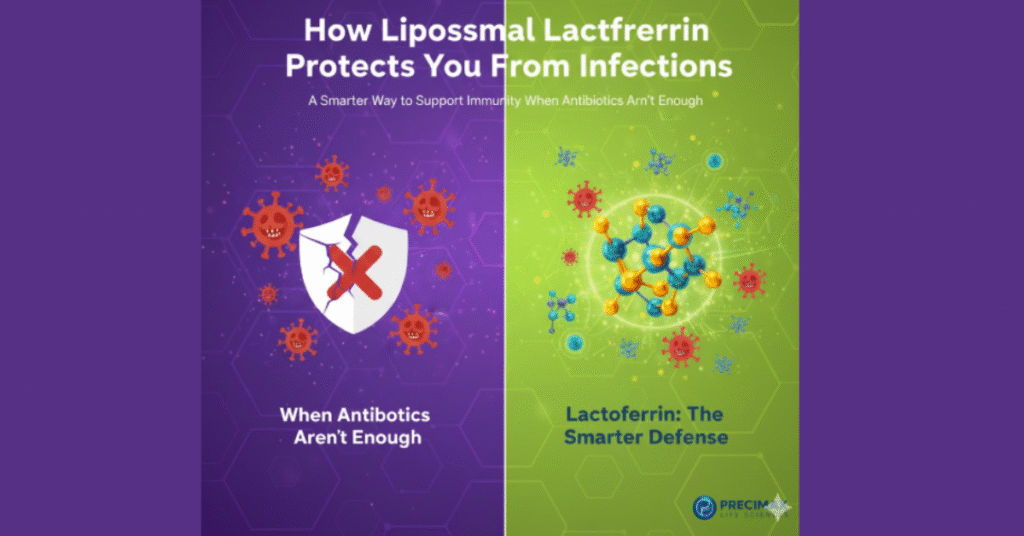
7. Liposomal Lactoferrin
Lactoferrin’s sensitivity to digestion limits efficacy in standard forms. Liposomal delivery enhances:
- Immune support
- Gut integrity
- Iron regulation synergy
8. Liposomal Magnesium
Magnesium absorption varies widely across salts. Liposomal magnesium offers:
- Enhanced intracellular delivery
- Improved neuromuscular relaxation
- Better metabolic support
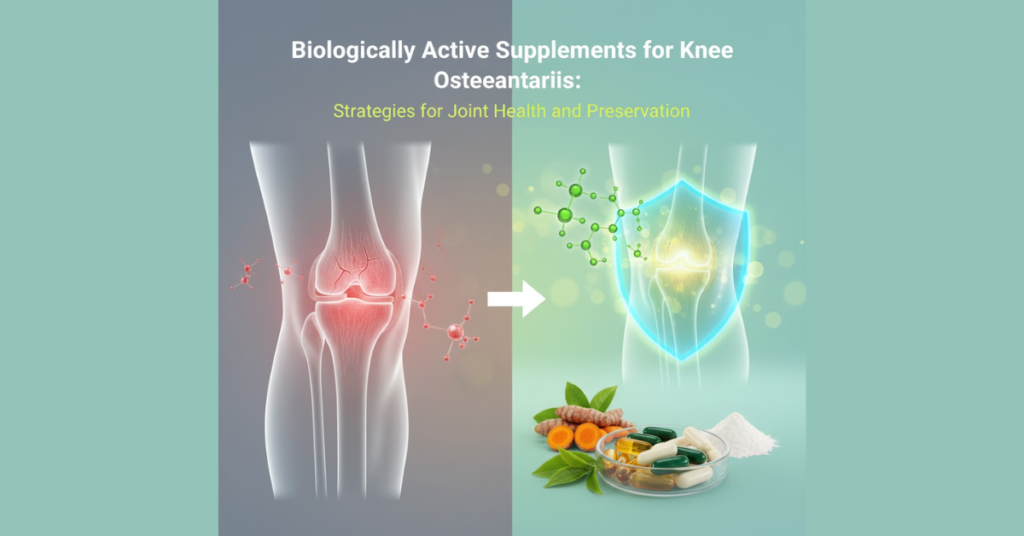
9. Liposomal / Micellar Curcumin
Curcumin is a classic example of poor bioavailability. Micellar and liposomal curcumin:
- Increase absorption manifold
- Enable systemic anti‑inflammatory action
- Expand use beyond joint health into metabolic, gut, and preventive medicine
Healojoint (micellar curcumin) exemplifies how advanced delivery translates curcumin research into consistent clinical outcomes.

Why Liposomal Formulations Are Reshaping Functional & Preventive Medicine
Liposomal technologies are restoring clinical confidence in nutraceutical protocols across specialties:
- Doctors: predictable outcomes
- Physiotherapists: better recovery support
- Nutritionists: measurable metabolic impact
- Functional medicine experts: systems‑level modulation
Dr. Sanjay Mahopatra, Pulmonologist, Kolkata, observes:
“In chronic inflammatory and respiratory conditions, predictable nutrient delivery is critical. Liposomal formulations provide that reliability.”
India’s Make‑in‑India Advantage
The Make‑in‑India push has significantly reduced costs of advanced formulations. Domestic R&D and manufacturing have made liposomal supplements:
- More affordable
- More accessible
- Clinically scalable
Companies like Precimax Life Sciences are leveraging pharmaceutical‑grade formulation science, data analytics, and clinical feedback to identify:
- Right nutrient
- Right delivery system
- Right indication
This approach marks a shift from commodity supplements to precision nutraceuticals.
Choosing Liposomal vs Non‑Liposomal: A Clinical Comparison

Liposomal formulations outperform traditional supplements in absorption, stability, and clinical reliability—often at lower effective doses.
When Liposomal Formulations Are Clearly Preferable
- Poor gut absorption
- Fat‑soluble nutrients
- Chronic inflammation
- Metabolic disorders
- Elderly or compromised patients
- Long‑term preventive protocols
Conclusion: Evidence Over Assumptions
The question is no longer whether nutraceuticals work, but whether they are delivered correctly.
Liposomal and advanced bioavailable formulations have:
- Elevated nutraceuticals into evidence‑aligned tools
- Increased clinician confidence
- Enabled integration into mainstream preventive and disease‑management protocols
As formulation science advances, supplements are no longer judged by labels—but by pharmacological performance.
Frequently Asked Questions (FAQs)
1. What makes liposomal supplements different from regular supplements?
Liposomal supplements encapsulate nutrients within phospholipid layers that mimic human cell membranes. This protects the active ingredient from stomach acid and improves intestinal absorption and cellular uptake compared to conventional tablets or powders.
2. Are liposomal supplements clinically proven?
Yes. Multiple pharmacokinetic and clinical studies show higher plasma levels and improved bioavailability for liposomal nutrients such as vitamin C, vitamin D3, curcumin, glutathione, and iron compared to non‑liposomal forms.
3. Do liposomal formulations require lower doses?
Often, yes. Because absorption is more efficient, liposomal formulations can achieve therapeutic effects at lower doses than conventional supplements, reducing pill burden and side effects.
4. Are liposomal supplements safe for long‑term use?
When formulated correctly and used at recommended doses, liposomal supplements are generally safe for long‑term use. Their improved absorption may actually reduce gastrointestinal irritation seen with some traditional supplements.
5. Why do doctors increasingly prefer liposomal vitamin D3?
Liposomal vitamin D3 offers more predictable absorption and consistent increases in serum 25‑hydroxyvitamin D levels, especially in individuals with malabsorption, obesity, or chronic illness.
6. Is liposomal iron better tolerated than conventional iron salts?
Yes. Liposomal iron bypasses direct contact with the gastrointestinal lining, significantly reducing nausea, constipation, and abdominal discomfort commonly associated with iron salts, while improving absorption.
7. Can liposomal magnesium help muscle cramps and fatigue better?
Liposomal magnesium may provide superior intracellular delivery, supporting neuromuscular relaxation, energy metabolism, and stress modulation more effectively than some traditional magnesium salts.
8. Are liposomal supplements suitable for elderly patients?
Yes. Elderly individuals often have reduced digestive efficiency. Liposomal formulations improve absorption and tolerability, making them particularly suitable for aging populations.
9. Do liposomal supplements cost more, and are they worth it?
While liposomal supplements may have a higher upfront cost, their improved absorption, lower required doses, and better clinical outcomes often make them more cost‑effective in the long term.
10. How does liposomal or micellar curcumin compare to standard curcumin?
Standard curcumin has extremely poor bioavailability. Liposomal or micellar curcumin dramatically enhances absorption, enabling systemic anti‑inflammatory and antioxidant effects beyond joint health.
11. Can liposomal supplements improve patient compliance?
Yes. Better tolerability, fewer gastrointestinal side effects, and lower dosing frequency often improve patient adherence to supplementation protocols.
12. Are liposomal supplements useful in metabolic syndrome and diabetes?
Emerging evidence suggests liposomal formulations of curcumin, magnesium, vitamin D3, and antioxidants may support glycaemic control, lipid metabolism, and inflammation reduction as part of integrative management.
13. Do liposomal formulations reduce gastrointestinal side effects?
Yes. By preventing direct irritation of the gut lining, liposomal delivery significantly reduces common GI side effects seen with iron, magnesium, and high‑dose antioxidants.
14. Are all liposomal products the same?
No. Liposomal effectiveness depends on phospholipid quality, particle size, stability, manufacturing process, and compatibility with the active ingredient. Poorly formulated liposomes may not offer meaningful benefits.
15. How important is particle size in liposomal delivery?
Particle size plays a critical role. Smaller, stable liposomes improve absorption and cellular uptake, while oversized or unstable particles may break down before delivering benefits.
16. Can liposomal supplements be safely combined?
Yes, when formulated and prescribed thoughtfully. Combining compatible liposomal nutrients can enhance therapeutic outcomes, but combinations should be guided by clinical rationale and patient needs.
17. Are liposomal supplements evidence‑based or just marketing tools?
High‑quality liposomal supplements are evidence‑based and supported by pharmacokinetic and clinical research. However, marketing claims should always be evaluated against formulation science and published data.
18. Why are Indian‑made liposomal supplements gaining clinical trust?
With advancements in R&D, pharmaceutical‑grade manufacturing, and the Make‑in‑India initiative, Indian companies are producing high‑quality, cost‑effective liposomal formulations validated in real‑world clinical practice.
19. How should clinicians choose the right liposomal formulation?
Clinicians should consider the clinical condition, nutrient properties, delivery system suitability, bioavailability data, stability, and patient tolerability rather than relying solely on ingredient labels.
20. When are non‑liposomal supplements still appropriate?
Non‑liposomal supplements may still be suitable for nutrients with inherently good absorption, short‑term use, or where cost constraints exist and absorption efficiency is less critical.