Knee osteoarthritis (OA) is one of the leading causes of chronic pain, reduced mobility, and disability among adults worldwide.
In India, the burden of knee OA is rising rapidly, not only among the elderly but also in middle-aged adults due to sedentary lifestyles, obesity, metabolic disorders, and sports-related injuries.

Traditionally, knee OA management has focused heavily on pain relief using nonsteroidal anti-inflammatory drugs (NSAIDs). While NSAIDs offer short-term symptom control, they do not address the underlying inflammatory and degenerative processes driving cartilage damage. Long-term use is also associated with gastrointestinal, renal, and cardiovascular risks.
Recent clinical evidence has brought curcumin into sharper focus as a scientifically validated, safer, and integrative option for knee OA management. A 2024–2025 systematic review and meta-analysis published in the Journal of Rheumatic Diseases consolidates data from multiple randomized controlled trials and provides compelling clarity on where curcumin fits in modern OA care.

Knee Osteoarthritis Is Not Just “Wear and Tear”
Osteoarthritis is now recognized as a chronic inflammatory and metabolic joint disease, not merely a consequence of aging or mechanical stress.
- Key pathological drivers of knee OA include
- Chronic low-grade inflammation
- Oxidative stress within the joint
- Activation of inflammatory cytokines such as TNF-α, IL-1β, and IL-6
- Upregulation of COX-2 and matrix metalloproteinases (MMPs)
- Progressive cartilage matrix breakdown
These processes begin much earlier than visible X-ray changes. By the time structural damage is evident, biological degeneration is already well underway. This explains why early intervention targeting inflammation and cartilage biology is far more effective than late-stage pain suppression.
Why Adding Curcumin Early in Knee Pain Is a Smart Strategy
The recent meta-analysis evaluated 10 randomized controlled trials involving 786 patients with knee osteoarthritis, comparing Curcuma longa or curcumin supplementation against placebo and NSAIDs over periods ranging from 4 to 16 weeks
The key findings were clinically meaningful
- Curcumin significantly reduced pain scores on the Visual Analog Scale (VAS) compared to placebo.
- Curcumin was not inferior to NSAIDs in improving functional outcomes measured by WOMAC scores.
- Both lower doses and higher doses of curcumin showed comparable pain relief.
These results support a crucial clinical insight: curcumin is most effective when introduced early, during the inflammatory phase of knee OA.
By intervening early, curcumin helps
- Suppress inflammatory cytokines
- Inhibit NF-κB signaling pathways
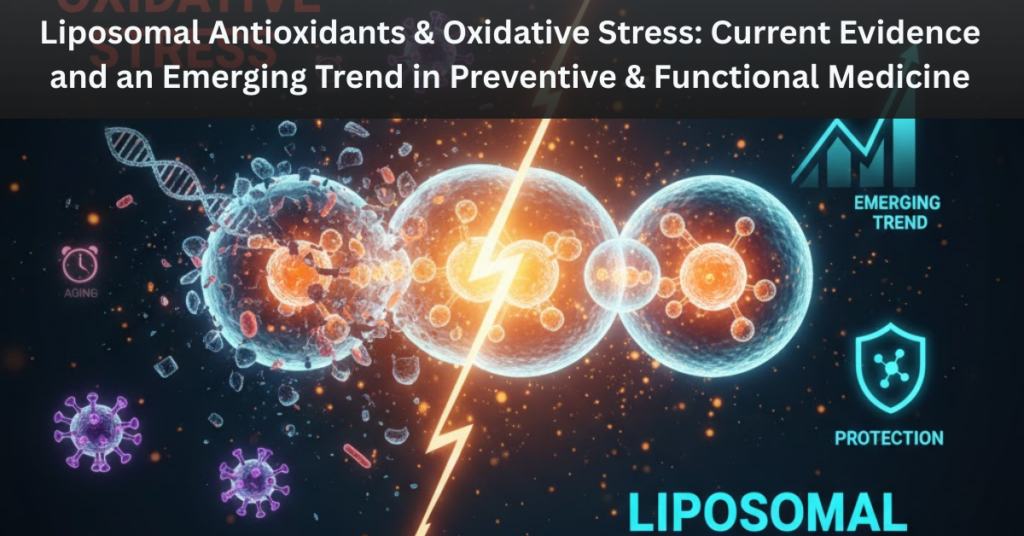
- Reduce oxidative stress in chondrocytes
- Slow enzymatic cartilage degradation
Unlike NSAIDs, which mainly block pain pathways, curcumin works upstream at the molecular level, influencing disease mechanisms rather than merely masking symptoms.
Reducing NSAID Dependence and Supporting Long-Term Joint Health
One of the most important practical implications of curcumin supplementation is its potential to reduce long-term NSAID dependence.
Several trials included in the meta-analysis reported reduced NSAID consumption among patients receiving curcumin, along with fewer gastrointestinal adverse effects. This is particularly relevant for:
- Older adults
- Patients with diabetes or hypertension
- Individuals with gastrointestinal sensitivity
- Patients requiring long-term pain management
By offering comparable pain relief with a better safety profile, curcumin allows clinicians and patients to rethink chronic NSAID use in knee OA.
Curcumin with Physiotherapy, PRP, and Regenerative Therapies
- Modern knee OA management increasingly combines
- Physiotherapy and biomechanical correction
- Platelet-rich plasma (PRP) injections
- Regenerative and cell-based interventions
However, persistent inflammation can limit the effectiveness of these therapies.
- Curcumin acts as a biological optimizer by
- Reducing synovial inflammation
- Protecting chondrocytes from inflammatory apoptosis
- Inhibiting cartilage-degrading enzymes
- Creating a more favorable joint microenvironment
When used alongside physiotherapy or PRP, curcumin may enhance functional recovery, improve pain tolerance during rehabilitation, and support cartilage preservation.

Curcumin Beyond the Knee: Impact on Metabolic Inflammation
Knee OA frequently coexists with metabolic disorders such as
- Type 2 diabetes
- Dyslipidemia
- Obesity
- Metabolic syndrome
These conditions share a common denominator: chronic systemic inflammation. Curcumin’s anti-inflammatory and antioxidant effects extend beyond joint tissue. Clinical and mechanistic studies show its role in modulating inflammatory pathways involved in insulin resistance and lipid metabolism. This makes curcumin particularly relevant for Indian patients, where metabolic inflammation often accelerates musculoskeletal degeneration.
Managing knee OA without addressing systemic inflammation limits long-term outcomes.
Why All Curcumins Are Not the Same
One of the most common misconceptions is that higher curcumin doses automatically deliver better results. The meta-analysis clearly challenges this assumption curcumin in OA-knee 2025.
Standard curcumin has poor bioavailability due to
- Low water solubility
- Rapid intestinal metabolism
- Fast systemic elimination
- Advanced delivery technologies such as micellar, liposomal, phospholipid-complexed, or
- bio-optimized curcumin overcome these limitations by
- Improving intestinal absorption
- Achieving stable plasma levels
- Delivering therapeutic effects at lower doses
- Reducing gastrointestinal side effects
Clinical trials using bio-optimized curcumin consistently demonstrate effective pain relief without the need for dose escalation.
In practice, formulation quality matters more than milligram strength.
Turmeric vs Curcumin: Understanding the Difference
Turmeric is a culinary spice, while curcumin is its bioactive therapeutic compound.
Turmeric powder typically contains only 2–5% curcuminoids. Achieving clinical trial–equivalent doses through dietary turmeric would require impractically large quantities and may lead to digestive discomfort or gallbladder stimulation.
Clinical evidence for knee OA is based on standardized curcumin extracts, not culinary turmeric. While turmeric remains a valuable dietary component, it should not be confused with therapeutic curcumin supplementation.
Introducing Cucimax® — Highly Bioavailable Liposomal Curcumin
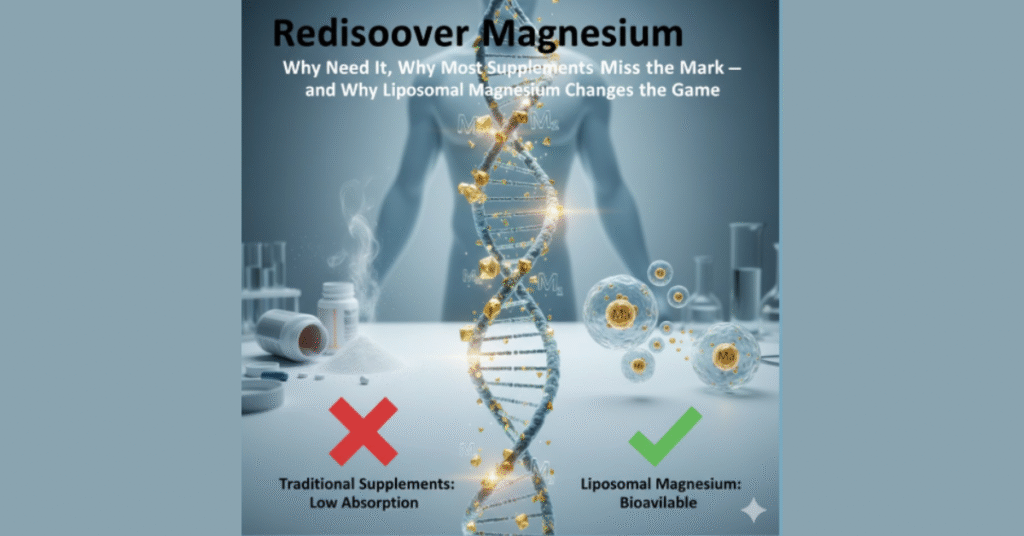
Cucimax® by Precimax is formulated using advanced liposomal delivery technology, where curcumin is encapsulated within lipid vesicles that closely resemble human cell membranes. This design allows curcumin to move through the digestive system safely and reach target tissues more effectively.
Why this matters clinically
Unlike conventional curcumin, which is poorly absorbed, Cucimax® delivers meaningful therapeutic levels:
- Up to 52× higher absorption compared to standard curcumin extracts
- Enhanced penetration into inflamed joint and connective tissues
- Effective results at lower doses, improving safety and tolerance
- Reduced gastrointestinal irritation commonly seen with high-dose turmeric products
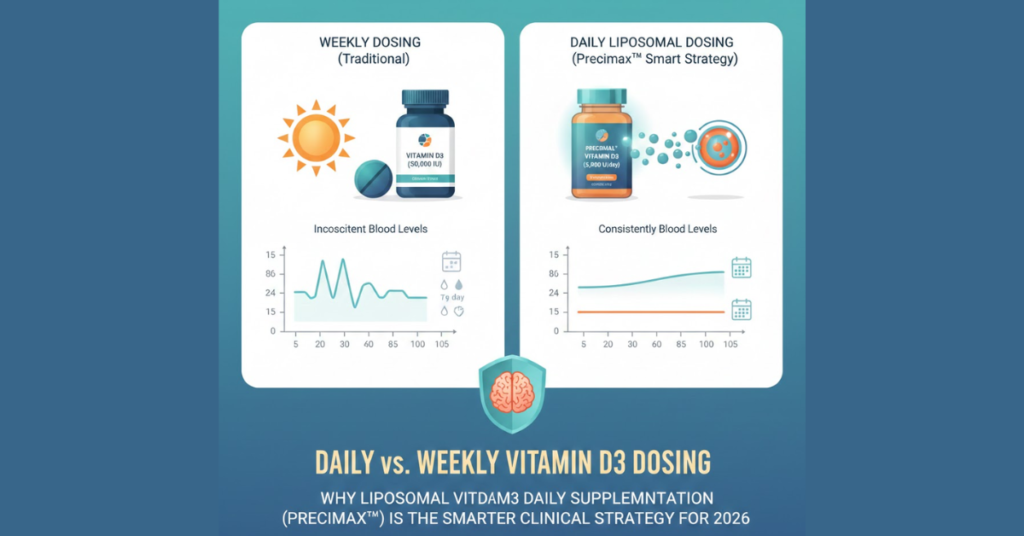
- More stable and consistent blood levels for sustained anti-inflammatory action
Cucimax® reflects what recent 2025 clinical evidence consistently highlights: the clinical benefit of curcumin depends far more on how it is delivered than on how many milligrams are listed on the label. Formulation quality—not dose size—determines real-world effectiveness.
The Overdosing Trend: When More Is Not Better
The meta-analysis shows no meaningful difference in pain relief between lower and higher curcumin doses.
- Excessive curcumin or turmeric intake may lead to
- Gastric irritation
- Diarrhea
- Bloating
- Poor long-term compliance
Once plasma saturation is achieved with a bioavailable formulation, increasing the dose only increases side effects, not benefits. This reinforces the importance of precision dosing over aggressive supplementation.

Frequently Asked Questions on Curcumin for Knee OA
- Is curcumin clinically proven for knee osteoarthritis?
Yes. Multiple randomized controlled trials and meta-analyses support its efficacy. - Can curcumin replace NSAIDs completely?
In many patients, curcumin can reduce or limit NSAID use, but individual needs vary. - How soon does curcumin start working?
Most studies show improvement within 4 to 6 weeks. - Is curcumin safe for long-term use?
Clinical trials report good safety with minimal adverse events. - Does curcumin protect cartilage?
Curcumin inhibits inflammatory and enzymatic pathways involved in cartilage breakdown. - Is curcumin useful after PRP injections?
Yes. It may enhance outcomes by controlling post-procedural inflammation. - Is turmeric in food sufficient for OA treatment?
No. Therapeutic benefits require standardized curcumin extracts. - What is the ideal curcumin dose?
Effective results are seen even below 1000 mg/day with advanced formulations. - Are liposomal or micellar curcumins better?
Yes. They offer superior absorption and tolerability. - Can curcumin help patients with diabetes and OA?
Yes. Its anti-inflammatory effects may support metabolic health. - Does curcumin interact with medications?
Caution is advised with anticoagulants; medical advice is recommended. - Is curcumin suitable for elderly patients?
Yes. It is often better tolerated than NSAIDs. - Can curcumin reduce acidity problems?
Advanced formulations at appropriate doses minimize GI issues. - Is higher curcumin always better?
No. Bioavailability matters more than dose. - Can curcumin be used long-term?
Yes, when used responsibly and under guidance.
Final Perspective: A Smarter Way to Manage Knee OA
The latest clinical evidence confirms that curcumin is no longer a complementary afterthought in knee osteoarthritis management. When introduced early, formulated using advanced delivery technologies, and dosed intelligently, curcumin offers meaningful pain relief, functional improvement, cartilage protection, and reduced reliance on NSAIDs.
For knee OA, the future is not about stronger painkillers, but about biological modulation, inflammation control, and joint preservation.
At Precimax Life Sciences, this evidence reinforces the importance of scientifically designed, bioavailable curcumin formulations that deliver real-world clinical outcomes without unnecessary dosing risks.
Scientific Reference
This blog is based on findings from peer-reviewed publications, including:
Efficacy of Curcuma longa in relieving pain symptoms of knee osteoarthritis patients: A systematic review and meta-analysis of clinical trials
Published in Journal of Rheumatic Diseases (2025)
For readers who wish to explore the original research in detail, you can access the full scientific publication here:
Read the published study