Introduction: The Gut–Immune Connection at the Core of Good Health
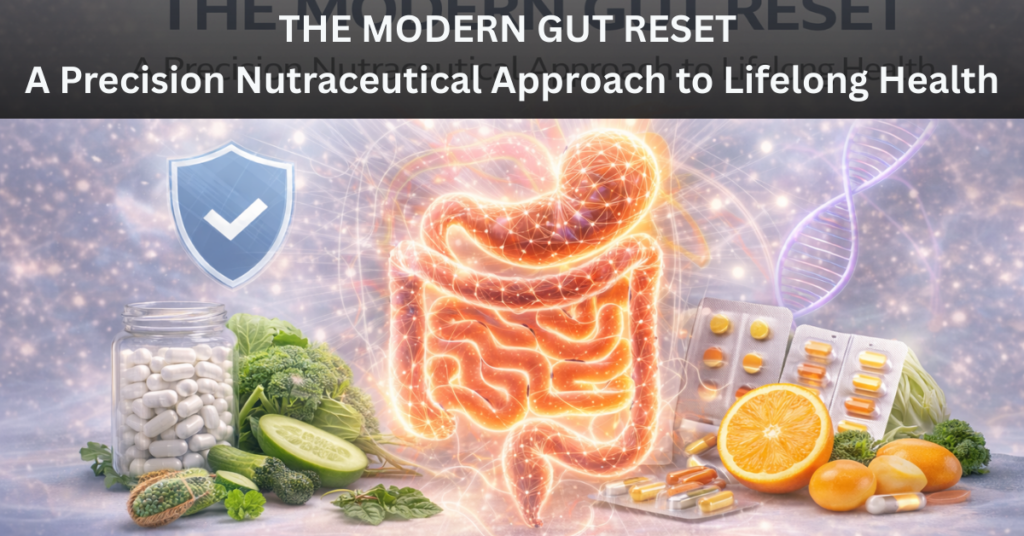
Your gut is home to more than 100 trillion bacteria — a complex ecosystem that influences digestion, nutrient absorption, immunity, and even mental well-being. When the microbiome becomes imbalanced (dysbiosis), symptoms like bloating, constipation, diarrhea, food sensitivities, skin issues, low energy, and recurring infections often follow. Probiotics are widely used to improve gut balance — but their success can be inconsistent. Many people try probiotics and still feel no improvement. Why? Because good bacteria struggle to survive and colonize if inflammation, pathogens, or weakened gut barriers are present.
That’s where lactoferrin — especially in liposomal form — changes the game. New research shows that combining lactoferrin + multi-strain probiotics improves gut health faster and more effectively than probiotics alone. This blog explores how they work together and why this synergy matters for children, adults, and pregnant women.

What is Lactoferrin and Why the Gut Loves It?
Lactoferrin is a natural iron-binding glycoprotein found in:
- Human breast milk (highest concentration in colostrum)
- Mucosal secretions (saliva, tears)
- Immune cells
It is part of your innate defense system, providing:
✔ Antibacterial
✔ Antiviral
✔ Antifungal
✔ Anti-inflammatory
✔ Antioxidant
✔ Gut-protective actions
By binding iron, lactoferrin starves harmful bacteria — while supporting beneficial species. It also strengthens mucosal immunity inside the intestines.
How Probiotics Support Gut Health
Probiotics are live beneficial bacteria that:
- Restore microbial balance
- Improve digestion and nutrient absorption
- Produce short-chain fatty acids (SCFAs) for gut integrity
- Reduce harmful bacteria and inflammation
- Support a healthy bowel movement pattern
But for probiotics to thrive, you need:
- Low inflammation
- Healthy gut lining
- Reduced pathogenic load
- Good adhesion sites in the intestine
Unfortunately, dysbiosis often blocks these factors — making probiotics less effective on their own.
Why Lactoferrin + Probiotics = A Superior Combo for Gut Healing
Lactoferrin Reduces Harmful Bacteria — Probiotics Restore Good Ones
Instead of killing everything like antibiotics, lactoferrin:
- Selectively inhibits pathogens
- Supports beneficial microbiota regrowth
This prepares the gut for probiotics to colonize successfully. Breaks Down Biofilms → Probiotics Can Finally Take Over Pathogenic bacteria often hide under biofilm — a protective layer that prevents antibiotics and good bacteria from reaching them.
Lactoferrin:
- Disrupts biofilms
- Makes harmful bacteria exposed and weaker
- Enhances probiotic colonization and performance
This is especially important in disorders like:
- SIBO (Small Intestinal Bacterial Overgrowth)
- IBS linked with dysbiosis
- Chronic constipation or diarrhea
- Recurrent gut infections
Restores Gut Barrier Integrity (“Fixes Leaky Gut”)
When the intestinal lining is damaged, toxins and undigested food leak into the blood — triggering inflammation and food sensitivities.
Lactoferrin:
- Repairs tight junctions
- Promotes mucosal healing
- Decreases permeability
Probiotics then:
- Strengthen mucous layer
- Produce SCFAs for gut wall nutrition
- Together, they create a strong, resilient gut.
Enhances Digestive Comfort
This combo reduces symptoms like:
- Gas & bloating
- Abdominal discomfort
- Irregular bowels
- Acid reflux
- Food intolerances

Patients often experience faster relief compared to probiotics alone. Boosts Immunity from the Gut 70% of the immune system (GALT) lives in your digestive tract. Lactoferrin improves immune activity by:
- Enhancing beneficial immune cell response
- Reducing inflammation and allergies
Probiotics support:
- Antibody production
- Viral defense
- Reduced infection recurrence
Together → fewer colds, fewer antibiotics, better resilience.
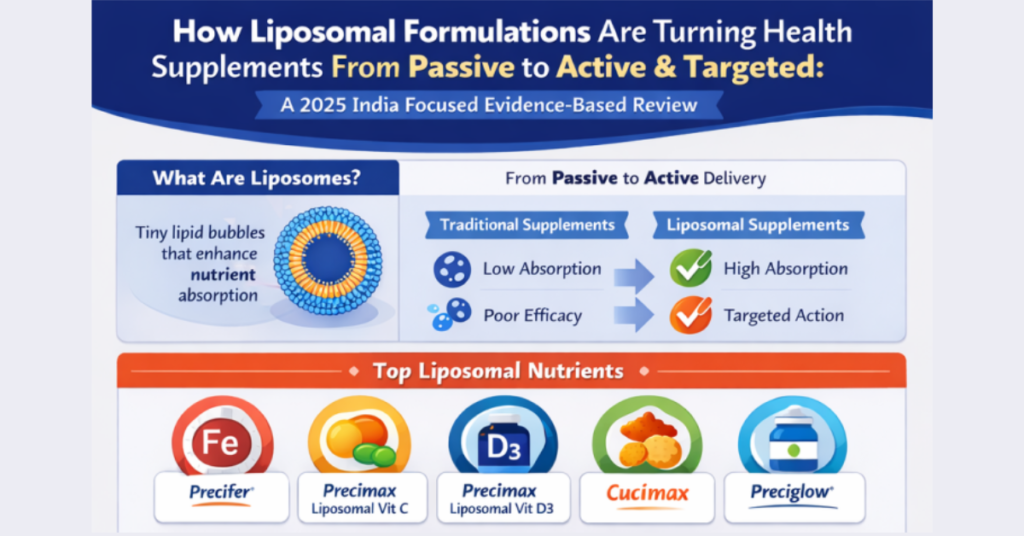
Why Liposomal Lactoferrin Works Best
Regular lactoferrin can degrade in the stomach.
But liposomal encapsulation:
- Protects lactoferrin from stomach acid
- Enhances absorption & delivery to intestines
- Increases anti-inflammatory and antimicrobial action
- Improves tolerance in sensitive guts
That’s why premium formulations (like the innovation by Precimax) are becoming the preferred choice.
Who Benefits the Most from This Combination?
Adults
- IBS (Irritable Bowel Syndrome)
- GERD and digestive discomfort
- Post-antibiotic gut recovery
- Leaky gut and inflammation
Children
- Frequent infections
- Constipation or diarrhea
- Reduced appetite, poor nutrient absorption
- School-related exposure to pathogens
It is naturally present in breast milk — making it safe and supportive for child immunity.
Pregnant & Breastfeeding Women
- Immune support without antibiotics
- Gut and vaginal microbiome balance
- Reduced risk of infections
- Support for infant gut development
(Always recommended to consult a healthcare professional.)
A Practical Gut Healing Routine
Step 1️ → Start Lactoferrin (Preferably Liposomal)
Supports antimicrobial balance + gut lining repair
Step 2️ → Add Multi-Strain Probiotics
Helps colonize beneficial bacteria
Suggested Timing:
- Lactoferrin: Morning empty stomach
- Probiotics: Evening or with meals
Stay consistent for 4–12 weeks for noticeable changes.

Conditions Where This Duo Shows Strong Benefits
- SIBO & IBS
- Dysbiosis after antibiotics
- Inflammatory bowel issues
- Traveler’s diarrhea
- Food sensitivities
- Chronic stress-related gut troubles
This combination provides not just symptom relief — but deep root-cause healing.
Conclusion
If probiotics alone haven’t been enough, it’s not your fault — they simply can’t perform well in an inflamed, pathogen-rich environment. Lactoferrin prepares the gut. Probiotics rebuild the gut.
Together, they deliver:
- Faster digestive relief
- Stronger gut lining
- Better nutrient absorption
- Improved immunity
- Long-term gut resilience
For families, frequent travelers, individuals with IBS/SIBO, or anyone focused on preventive wellness — this combination is a smart, science-backed choice.
FAQ
1️ Can I take lactoferrin and probiotics together?
Ans: Yes! They work synergistically — lactoferrin improves probiotic colonization.
2️ Does lactoferrin kill good bacteria?
Ans: No. It selectively targets harmful bacteria and supports a healthier microbiome.
3️ Is liposomal lactoferrin better?
Ans: Yes — more absorption, better gut support, and improved tolerance.
4️ Will this help with IBS?
Ans: Many IBS patients see reduced bloating, pain, and irregularity with this combo.
5️ How long before I notice results?
Ans: 2–6 weeks in mild cases; longer (8–12 weeks) for chronic issues.
6️ Can children take lactoferrin + probiotics?
Ans: Yes — lactoferrin is naturally in breast milk. Safe and supportive for kids.
7️ Is it safe in pregnancy?
Ans: Generally recognized as safe, but always check with a doctor.
8️ Will this cure gut disorders?
Ans: It supports healing and balance but should be part of a complete treatment plan.
9️ Does it help with constipation?
Ans: Yes — improves motility and reduces methane-driven dysbiosis.
10️ Does it help diarrhea?
Ans: Yes — supports mucosal repair and stabilizes bowel patterns.
11️ Can I use them after antibiotics?
Ans: Highly recommended — restores good bacteria and prevents relapse.
12️ What time is best to take them?
Ans: Lactoferrin in the morning; probiotics with or after meals.
13️ Any side effects?
Ans: Very minimal — mild digestive adjustment if any.
14️ Can it help skin issues?
Ans: Yes — many skin disorders start in the gut.
15️ Does it reduce inflammation?
Ans: Lactoferrin is a strong anti-inflammatory and gut-lining healer.
16️ Can this improve nutrient absorption?
Ans: Yes — by restoring microbial balance and gut lining.
17️ Does it help immunity?
Ans: Very much — most immune cells are in the gut.
18 Can this combination help SIBO?
Ans: Yes — lactoferrin breaks biofilms and supports balanced flora.
19️ How long should I continue?
Ans: 8–12 weeks minimum; longer for prevention and maintenance.
20 Should I change my diet too?
Ans: Yes — a healthy diet improves microbiome outcomes.