Curcumin, the principal active compound found in Curcuma longa, has long been studied for its anti-inflammatory, antioxidant, and pleiotropic effects on human health. Although traditional curcumin has poor bioavailability due to low solubility and rapid metabolism, advanced formulations such as liposomal delivery have transformed its clinical utility. In functional and preventive medicine, liposomal curcumin is emerging as a key natural therapeutic agent for a wide range of health conditions — from metabolic disorders to mental health, immune regulation, chronic inflammation, and beyond.
This blog explores the mechanisms, latest clinical evidence, comparative analysis, and practical guidance on choosing the right curcumin supplement — especially highlighting the advantages of liposomal curcumin like Cucimax from Precimax Life Sciences.

Why Curcumin Matters: Mechanisms of Action
Curcumin exhibits multitargeted biological activities, including potent anti-inflammatory and antioxidant effects through modulation of key molecular pathways such as NF-κB, cyclooxygenase enzymes, cytokines, and reactive oxygen species. Its multi-modal actions support immune homeostasis, oxidative stress modulation, and cell signaling regulation — attributes highly relevant for functional and preventive medicine.
However, native curcumin is poorly absorbed when taken orally, leading to minimal plasma levels after conventional supplementation. This limitation has driven research into next-generation formulations, including micellar, nanoparticle, and liposomal curcumin, designed to significantly augment bioavailability and clinical results.
Liposomal curcumin encases curcuminoids within phospholipid bilayers, enhancing solubility, stability, and cellular uptake — making it a preferred delivery system in advanced nutraceutical formulations.

This diagram illustrates how liposomal curcumin encapsulates curcuminoids within a phospholipid bilayer, protecting them from gastric degradation and enabling efficient absorption through the intestinal epithelium. Unlike conventional curcumin, liposomal curcumin enters systemic circulation intact, leading to higher plasma levels and improved tissue delivery.

This infographic shows curcumin’s pleiotropic effects across key molecular pathways, including NF-κB inhibition, reduction of pro-inflammatory cytokines (TNF-α, IL-6), antioxidant activity through ROS scavenging, and modulation of insulin signaling and lipid metabolism

Clinical Evidence: From Prevention to Therapeutic Applications
- Metabolic Health: Pre-diabetes, Type 2 Diabetes & Metabolic Syndrome
Clinical evidence indicates that curcumin may beneficially influence glycemic control, lipid metabolism, and insulin sensitivity — core components of metabolic syndrome and diabetes risk.
Meta-analysis and systematic reviews have demonstrated significant improvements in fasting blood glucose, insulin resistance, and lipid profiles among individuals with metabolic dysregulation. Curcumin appears to modulate inflammatory and oxidative stress pathways that underlie metabolic conditions.
A recent comprehensive review noted curcumin’s potential in lowering blood glucose and lipid levels, improving insulin resistance, and reducing inflammatory markers — highlighting its promise as an adjunctive agent in treating type 2 diabetes mellitus (T2DM), obesity, and non-alcoholic fatty liver disease (NAFLD).
Dr Raman, Functional Medicine Expert, Bangalore explains:
“Curcumin interacts with multiple metabolic pathways, including NF-κB and JAK/STAT, to reduce pro-inflammatory mediators and improve insulin sensitivity. In pre-diabetes, early intervention with high-bioavailability curcumin supports metabolic flexibility and inflammation control, potentially delaying disease progression.”
Indeed, curcumin’s multifunctional activities offer significant preventive relevance in metabolic syndrome — a condition characterized by clustered risk factors like dyslipidemia, hypertension, and insulin resistance.
- Dyslipidemia and Cardiovascular Risk
Multiple clinical studies and meta-analyses suggest that turmeric/curcumin supplementation improves lipid profiles — including lowering total cholesterol, triglycerides, and LDL-C while increasing HDL-C levels.
Such lipid-modulating effects are attributed to curcumin’s impact on hepatic lipid metabolism, anti-inflammatory actions, and antioxidant mechanisms that help stabilize lipoproteins. These outcomes are especially relevant in preventive cardiometabolic care.
- Inflammatory Bowel Disease (IBD)
Inflammatory bowel diseases like ulcerative colitis and Crohn’s disease are driven by chronic inflammation and immune dysregulation. Curcumin, with its anti-inflammatory profile, has been evaluated in clinical contexts as an adjunctive therapy for IBD, often resulting in reduced symptom severity and inflammatory biomarker levels.
Though more disease-specific clinical trials are needed, existing evidence positions curcumin as a safe, anti-inflammatory agent with potential benefit in gut health in functional medicine paradigms.
- Sports Recovery & Exercise-Induced Inflammation
Curcumin’s ability to reduce oxidative stress and inflammation translates into functional benefits for athletes and active individuals. Randomized supplementation studies demonstrate that enhanced curcumin forms can ease delayed onset muscle soreness (DOMS), reduce inflammatory markers after intense workouts, and support faster recovery.
Dr NS Ram, Mumbai Sports Nutritionist adds:
“Modern liposomal curcumin formulations offer athletes a scientifically grounded tool to modulate post-exercise inflammation and oxidative damage — facilitating quicker recovery while supporting training adaptations.”
Omega-3 vs. Curcumin (Performance Context):
While omega-3 fatty acids are well established in reducing systemic inflammation through modulation of eicosanoid pathways, curcumin complements this by inhibiting pro-inflammatory transcription factors like NF-κB and COX enzymes. Both have their place in sports nutrition, but high-bioavailability curcumin has a broader multi-pathway impact, especially for oxidative stress and cytokine regulation.
- Depression and Cognitive Health
Inflammation and oxidative stress are increasingly recognized as contributors to mood disorders and cognitive decline. Curcumin’s multi-targeted modulation of neuroinflammatory pathways has been evaluated in clinical and preclinical research contexts, suggesting benefits in mood regulation and cognitive performance.
Though direct liposomal curcumin trials for mood disorders are still emerging, evidence supports curcumin’s role in reducing inflammatory mediators linked to depression and enhancing antioxidant defenses — mechanisms central to preventive neuromodulation.
Dr Jeethan, Preventive Medicine Expert, Apollo Health Clinic Chennai states:
“Curcumin’s anti-inflammatory and neuroprotective effects offer promise within preventive mental health. Liposomal delivery enhances these effects by ensuring therapeutic levels reach systemic and neural tissues.”
- Chemoprevention and Cellular Protection
Curcumin has been widely studied in research for its potential chemopreventive effects, particularly due to its antioxidative and anti-proliferative activities against aberrant cellular processes. Though clinical evidence in humans is still evolving, curcumin’s actions on signaling pathways involved in cell growth and apoptosis position it as a molecule of interest in preventive oncology.
Curcumin vs Omega-3, Boswellia & Ginger: Comparative Insights
When selecting natural compounds for preventive health, understanding how curcumin compares with other nutraceuticals can guide tailored interventions.
Curcumin vs Omega-3
Both have potent anti-inflammatory properties. Omega-3 fatty acids primarily act through resolution of inflammation via eicosanoid pathways, whereas curcumin targets transcription factors and cytokines directly, offering broader molecular modulation. Omega-3 is generally strong for cardiovascular health and joint pain, while curcumin offers wider application across metabolic, cognitive, and cell signaling pathways.
Curcumin vs Boswellia
Boswellia serrata (AKBA extract) is known for anti-inflammatory effects in arthritis and joint disorders. Curcumin may provide comparable or broader systemic anti-inflammatory influence but often requires enhanced delivery (like liposomal or micellar formats) to match clinical efficacy.
Curcumin vs Ginger
Both rhizomes have anti-inflammatory and antioxidant profiles. Curcumin tends to have higher antioxidant capacity, whereas ginger contains gingerols and shogaols that can help digestion and nausea. Neither replaces the other — rather they can be synergistic in functional protocols.
CURCUMIN vs OMEGA-3 vs BOSWELLIA vs GINGER
(Clinical, Practical & Non-Marketing Comparison)
Placement: Replace / strengthen your existing comparison section
Comparative Table: Anti-Inflammatory & Preventive Nutraceuticals
Parameter | Liposomal Curcumin | Omega-3 Fatty Acids | Boswellia (AKBA) | Ginger Extract |
Primary Action | Multi-pathway anti-inflammatory, antioxidant, metabolic modulator | Resolves inflammation via eicosanoids | 5-LOX inhibition | COX & LOX inhibition |
Bioavailability | High (liposomal / micellar forms) | High (natural absorption) | Moderate | Moderate |
Joint Health | Strong | Moderate | Strong | Mild–Moderate |
Metabolic Syndrome | Strong evidence | Moderate | Limited | Limited |
Dyslipidemia | Moderate–Strong | Strong | Limited | Limited |
Pre-diabetes / Diabetes | Evidence supported | Moderate | Minimal | Minimal |
IBD / Gut Inflammation | Emerging evidence | Limited | Moderate | Mild |
Sports Recovery | Strong | Moderate | Limited | Moderate |
Mood / Depression | Emerging evidence | Moderate | No data | Mild |
Chemoprevention | Investigational | Limited | No | No |
Systemic Action | Broad, multi-system | Cardiovascular-centric | Joint-centric | Digestive-centric |
Clinical Interpretation (Important for Doctors & Educated Consumers)
Curcumin vs Omega-3
Omega-3 fatty acids are excellent for cardiovascular inflammation and lipid modulation, but their mechanism is largely limited to eicosanoid resolution. Liposomal curcumin, by contrast, acts upstream at transcription factors like NF-κB, making it broader in scope for metabolic, inflammatory, and preventive medicine applications.
Curcumin vs Boswellia
Boswellia is highly effective for joint-specific inflammation, especially osteoarthritis. However, curcumin offers wider systemic benefits, including metabolic and cellular protection, especially when delivered in a bioavailable form.
Curcumin vs Ginger
Ginger is beneficial for digestion, nausea, and mild inflammation. Curcumin has stronger antioxidant and anti-inflammatory potency with deeper molecular penetration, making it more suitable for chronic inflammatory and preventive protocols.
Dr Raman, Functional Medicine Expert, Bangalore comments:
“Curcumin is not a single-pathway nutraceutical. Its strength lies in its systems-level impact, which is why formulation quality and bioavailability become non-negotiable in clinical practice.”
Choosing the Right Curcumin Supplement: Formulation Matters
Not all curcumin supplements are equal. Choosing the right form influences bioavailability, clinical impact, and consistency of results.
- Turmeric Extract vs Curcumin vs Bioavailable Forms
- Turmeric Extract:Contains curcumin as part of a spice complex — typical culinary use but low therapeutic bioavailability.
- Standard Curcumin:Isolated curcuminoids but still poorly absorbed due to low solubility and rapid metabolism.
- Bioavailable Forms (Liposomal/Micellar):Engineered for enhanced absorption, systemic distribution, and sustained therapeutic levels.
Dr Sundar, R&D Expert, Precimax Life Sciences emphasizes:
“The physical and chemical instability of crude curcumin limits its clinical impact. Advanced delivery systems, particularly liposomal and micellar technologies like those used in Cucimax, ensure significantly higher bioavailability and stability — overcoming traditional curcumin limitations.”
Why Liposomal Curcumin Like Cucimax Stands Out
Cucimax — a liposomal curcumin formulation from Precimax Life Sciences — leverages innovative nano-phospholipid encapsulation and lyophilization techniques to enhance stability and absorption.
Liposomal Advantage
- Enhanced Absorption:Liposomal encapsulation protects curcumin from gut degradation and improves cellular uptake.
- Stability:Lyophilized liposomal systems maintain integrity, reducing degradation before ingestion.
- Targeted Delivery:Liposomes facilitate better distribution across tissues, supporting systemic effects.
This advanced formulation bridges the gap between promising preclinical data and reproducible clinical results in humans for multiple health areas.

Practical Guidelines for Use
Dosage Considerations:
While optimal dosages vary across health goals and formulations, bioavailable formats allow lower effective doses compared to traditional curcumin.
Safety & Interactions:
Curcumin is generally well-tolerated, but interaction with medications — especially anticoagulants and diabetes drugs — should be monitored under clinical guidance.
Conclusion
Liposomal curcumin represents a paradigm shift in how we approach preventive and functional medicine with botanical compounds. Supported by expanding clinical evidence and enhanced delivery technologies like Cucimax, curcumin is no longer limited by bioavailability hurdles. Its anti-inflammatory, antioxidant, metabolic, and neuromodulatory actions make it a versatile ally for modern health challenges — from metabolic syndrome and exercise recovery to mood regulation and chemoprevention.
By prioritizing advanced formulations and evidence-based use, patients and clinicians can unlock the full potential of curcumin in preventive and integrative health strategies.
Frequently Asked Questions (FAQs)
- What makes liposomal curcumin different from regular curcumin?
Liposomal curcumin encapsulates curcuminoids within phospholipid membranes, protecting them from gastric degradation and significantly improving absorption, bioavailability, and tissue delivery compared to standard curcumin extracts. - Is liposomal curcumin clinically proven to have better absorption?
Yes. Multiple pharmacokinetic and clinical studies show that liposomal and micellar curcumin formulations achieve significantly higher plasma concentrations compared to conventional curcumin, translating into better clinical effectiveness. - Can liposomal curcumin be used in pre-diabetes?
Emerging clinical evidence suggests curcumin may improve insulin sensitivity, reduce inflammatory markers, and support glycaemic control, making liposomal curcumin a useful adjunct in pre-diabetes and early metabolic dysfunction. - Is curcumin useful in type 2 diabetes management?
Curcumin has been shown to help modulate blood glucose, lipid levels, and inflammatory pathways associated with type 2 diabetes. It should be used as a supportive therapy alongside medical treatment and lifestyle modification. - How does curcumin help in metabolic syndrome?
Curcumin addresses multiple components of metabolic syndrome by reducing systemic inflammation, oxidative stress, insulin resistance, and dyslipidaemia—key drivers of cardiometabolic risk. - Can liposomal curcumin improve cholesterol levels?
Clinical studies indicate curcumin may lower triglycerides, total cholesterol, and LDL while improving HDL levels, especially when used consistently in bioavailable formulations. - Is liposomal curcumin beneficial for inflammatory bowel disease (IBD)?
Curcumin has demonstrated anti-inflammatory effects in ulcerative colitis and other IBD conditions, particularly as an adjunct to standard therapy. Liposomal delivery may improve gut and systemic availability. - Can athletes use liposomal curcumin for recovery?
Yes. Liposomal curcumin is increasingly used in sports nutrition to reduce exercise-induced inflammation, muscle soreness, and oxidative stress, supporting faster recovery and performance sustainability. - How does curcumin compare with omega-3 fatty acids?
Omega-3s primarily resolve inflammation through eicosanoid pathways, while curcumin acts upstream by inhibiting transcription factors like NF-κB. Curcumin offers broader systemic anti-inflammatory and antioxidant benefits. - Is curcumin better than boswellia for inflammation?
Boswellia is highly effective for joint-specific inflammation. Curcumin provides broader anti-inflammatory effects across metabolic, immune, and cellular pathways, especially when delivered in bioavailable forms. - How does curcumin compare with ginger supplements?
Ginger is useful for digestive health and mild inflammation. Curcumin has stronger antioxidant and anti-inflammatory potency and is better suited for chronic inflammatory and preventive health protocols. - Can curcumin help with depression or mood disorders?
Inflammation and oxidative stress contribute to depression. Curcumin’s neuroprotective and anti-inflammatory actions suggest potential benefits in mood support, especially as part of a functional medicine approach. - Does curcumin have a role in cancer prevention?
Curcumin is widely studied for its chemopreventive properties due to its antioxidant and anti-proliferative actions. While promising, it should be viewed as a supportive preventive compound, not a treatment. - Is liposomal curcumin safe for long-term use?
Curcumin is generally well tolerated. Long-term use is considered safe in recommended doses, though individuals on anticoagulants or diabetes medications should consult a healthcare professional. - What is the ideal dosage of liposomal curcumin?
Effective doses vary depending on formulation and health goals. Bioavailable liposomal forms often require lower doses than conventional curcumin while achieving better results. - Can curcumin be taken daily as a preventive supplement?
Yes. In functional and preventive medicine, daily use of bioavailable curcumin is common for inflammation control, antioxidant support, and metabolic health. - Why doesn’t regular turmeric powder work the same way?
Turmeric powder contains low amounts of curcumin and has extremely poor absorption. Therapeutic effects require concentrated curcumin in enhanced delivery systems like liposomal or micellar formulations. - What should I look for when choosing a curcumin supplement?
Key factors include bioavailability technology (liposomal or micellar), clinical evidence, stability, dosage clarity, and manufacturing quality rather than just curcumin percentage. - What makes Cucimax different from other curcumin supplements?
Cucimax uses advanced liposomal technology combined with lyophilization to enhance both bioavailability and stability, ensuring consistent therapeutic exposure compared to conventional curcumin products. - Who can benefit most from liposomal curcumin?
Individuals with chronic inflammation, metabolic risk factors, joint issues, active lifestyles, or those seeking preventive health support can benefit significantly from high-quality liposomal curcumin formulations.
Bibliography & References
- Kunnumakkara AB et al. Role of curcumin in disease prevention and treatment.
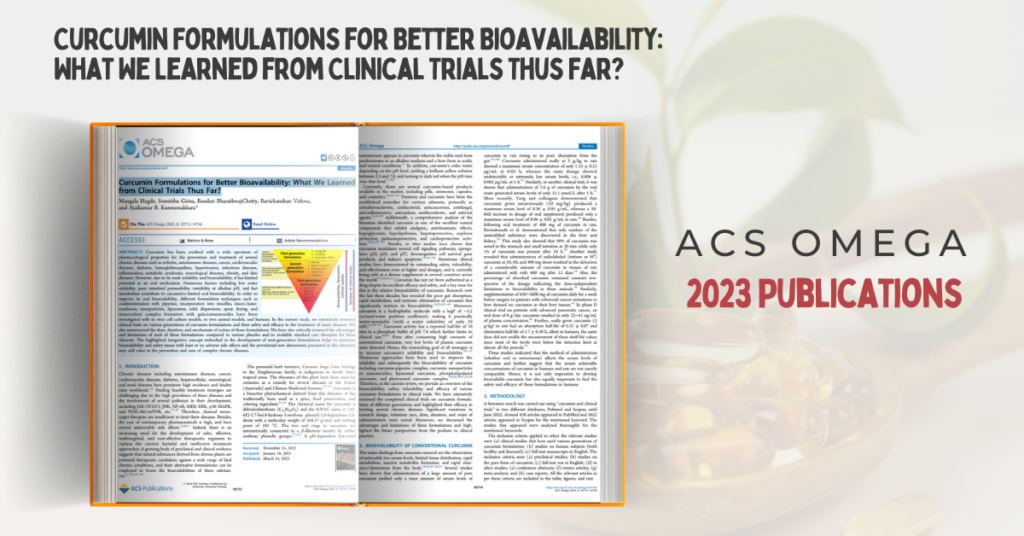
- Hegde M. Curcumin formulations for better bioavailability.
- Zeng Y. Therapeutic effect of curcumin on metabolic diseases.
- Dehzad MJ et al. Effects of curcumin on lipid profile.
- Nurcahyanti ADR et al. Curcuminoids for metabolic syndrome.Front Nutr.
- Curcumin: A review of its effects on human health. MDPI.
- Turmeric (Curcuma longa) information. Wikipedia.