
Clinical Insights from Human Trials and Indian Public Health Reality
Micronutrient deficiencies remain one of the most under‑recognized yet clinically significant contributors to lifestyle diseases, accelerated aging, and immune dysfunction—particularly in India. While India has made substantial progress in infectious disease control and life expectancy, it now faces a dual burden: persistent micronutrient deficiencies alongside rising lifestyle and chronic diseases.
Over the last decade, clinicians have increasingly realised that correcting micronutrient deficiencies is not just about intake, but about absorption, cellular delivery, and clinical relevance. This is where liposomal micronutrient technologies are redefining outcomes in functional and preventive medicine.
India’s Micronutrient Deficiency Burden: A Persistent Public Health Challenge
Despite food fortification programs and supplementation policies, micronutrient deficiencies remain widespread in India.
Data from Indian public health agencies (ICMR–NIN, National Nutrition Monitoring Bureau, and allied surveys) consistently indicate:
- Vitamin D deficiency in 70–90% of urban Indians
- Iron deficiency affecting a large proportion of women, elderly, and adolescents
- Magnesium, zinc, and B‑vitamin insufficiency common in individuals with diabetes, obesity, and chronic stress
- Subclinical deficiencies often missed due to “normal‑range” lab values
These deficiencies coexist with:
- Diabetes and metabolic syndrome
- Cardiovascular disease
- Musculoskeletal degeneration
- Recurrent infections
- Premature aging
Yet, in real‑world practice, correction remains inconsistent.
Why Conventional Micronutrient Supplementation Often Falls Short
1. Low Bioavailability
Many micronutrients have poor absorption when administered in conventional oral forms:
Iron salts irritate the gut and have variable absorption
Fat‑soluble vitamins depend heavily on digestion and bile flow
Magnesium salts cause diarrhea at higher doses
2. RDA Limitations in Indian Context
Indian RDAs are designed to prevent overt deficiency, not to correct functional or clinical insufficiency.
In lifestyle diseases, aging, and immune stress:
- RDA‑level dosing is often clinically inadequate
- Higher doses are needed—but limited by tolerability
3. Poly‑Micronutrient “Shotgun” Formulations
A growing trend is combining 10–20 micronutrients in one tablet, leading to:
- Nutrient–nutrient competition
- Poor individual absorption
- Lack of targeted correction
Clinically, this results in compliance without correction.
Why Liposomal Micronutrients Change the Clinical Equation
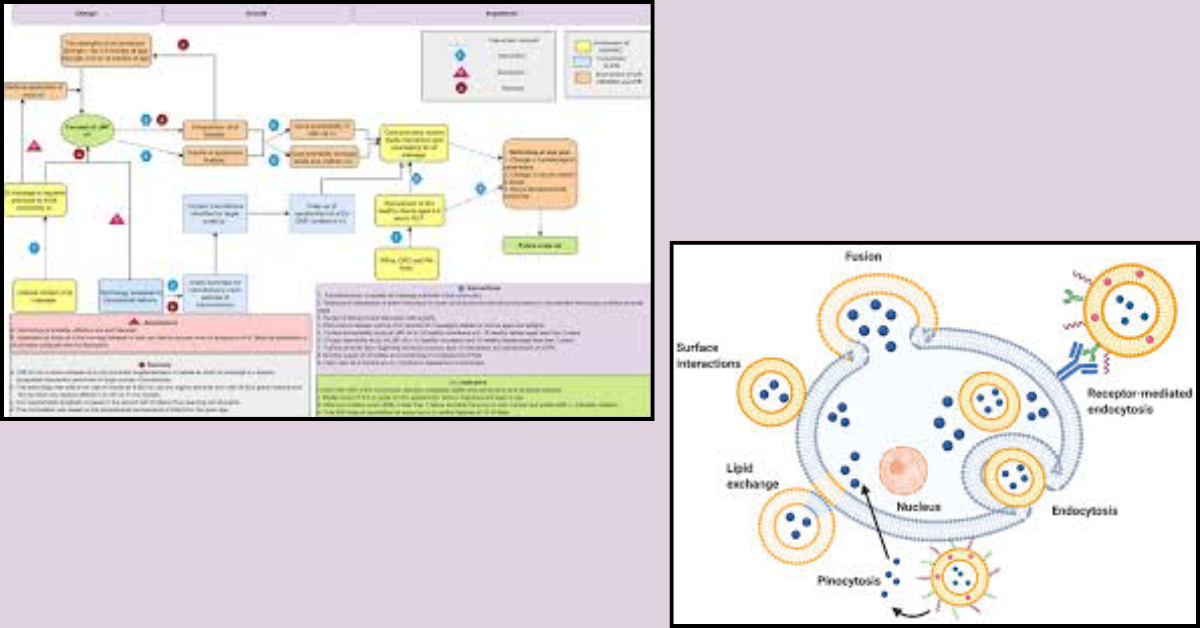
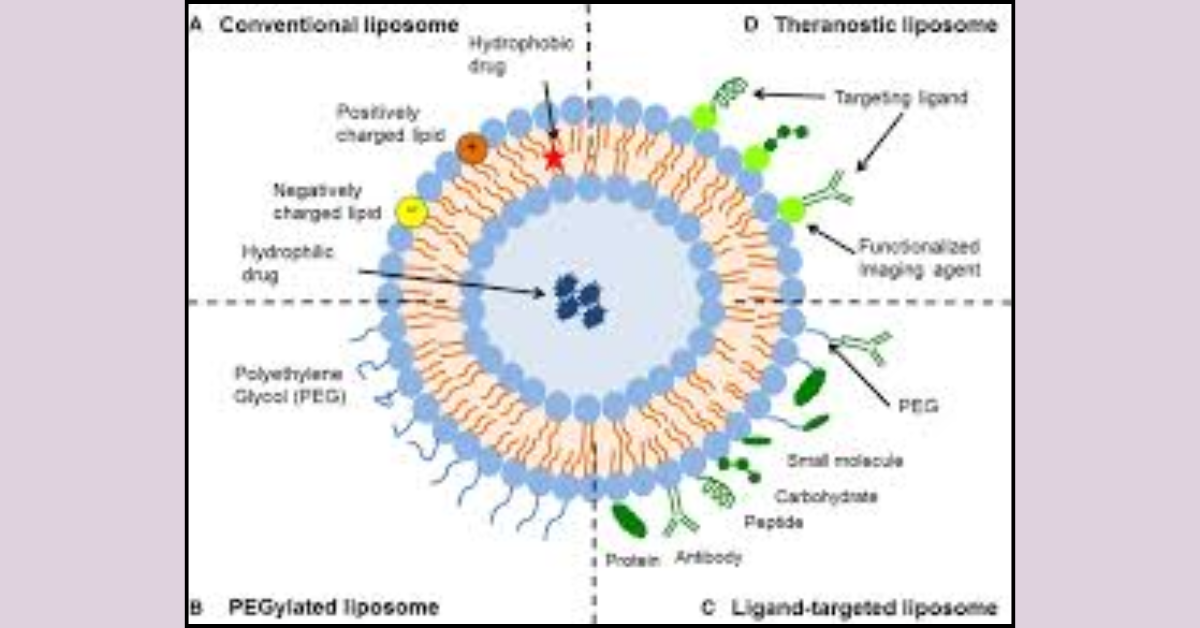
Liposomal delivery encapsulates micronutrients within phospholipid vesicles, mimicking human cell membranes. This allows:
- Protection from gastric degradation
- Enhanced intestinal and lymphatic absorption
- Improved cellular uptake
- Reduced gastrointestinal irritation
From a clinical standpoint, liposomal micronutrients offer:
- Higher serum correction at lower doses
- Better tolerance in elderly and chronic disease patients
- Faster symptom improvement
- Improved long‑term adherence
Human Trial Evidence: Micronutrients in Lifestyle Diseases
Vitamin D3
Human studies show that lipid‑based and liposomal vitamin D3 formulations achieve more predictable increases in serum 25‑hydroxyvitamin D, particularly in obesity, aging, and gut dysfunction.
Clinical relevance:
- Diabetes & insulin resistance
- Musculoskeletal pain
- Immune resilience
Iron
Clinical trials demonstrate that liposomal iron significantly reduces:
- Nausea
- Constipation
- Abdominal discomfort
while achieving comparable or superior hemoglobin correction versus iron salts.
This is especially relevant in:
- Women
- Elderly patients
- Long‑term correction protocols
Magnesium
Human studies highlight magnesium’s role in:
- Glycaemic control
- Muscle cramps
- Stress modulation
- Sleep quality
Liposomal magnesium improves intracellular availability with lower diarrheal risk.
Zinc & B‑Vitamins
Bioavailability‑enhanced forms show better correction of:
- Immune dysfunction
- Neuropathy
- Fatigue
- Cognitive decline in aging populations
Micronutrients in Aging: Beyond Deficiency Correction
Aging is associated with:
- Reduced digestive efficiency
- Altered gut microbiota
- Chronic low‑grade inflammation (“inflammaging”)
Micronutrients such as:
- Vitamin D3
- Magnesium
- Zinc
- Antioxidants
are central to muscle strength, bone health, cognition, and immunity.
Liposomal delivery allows long‑term use without dose‑limiting side effects, making it particularly suitable for geriatric care.
Immunity Takes Centre Stage After COVID‑19
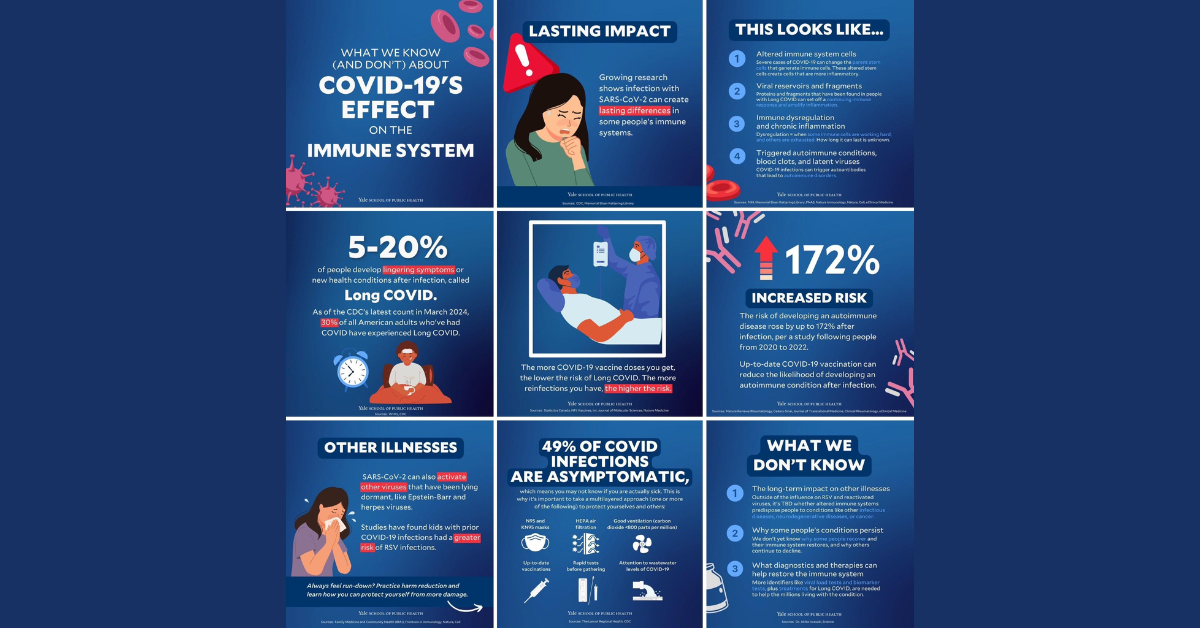
Post‑COVID clinical experience has reinforced that:
- Immune resilience matters more than immune stimulation
- Nutritional adequacy is foundational to immune competence
Human studies associate deficiencies of:
- Vitamin D
- Iron
- Zinc
- Magnesium
with increased susceptibility to infections and prolonged recovery.
Liposomal micronutrients support:
- Faster correction
- Better compliance
- Reduced GI intolerance during illness
Combining Micronutrients with Advanced Actives: A New Clinical Strategy
Modern functional medicine increasingly combines micronutrients with bioactive compounds to amplify outcomes.
Liposomal Lactoferrin
Supports immune defense, gut integrity, and iron metabolism—especially valuable in post‑viral recovery.
Human trials show improved antioxidant status, detoxification capacity, and immune modulation.
Enhances anti‑inflammatory support across metabolic, joint, and immune conditions.
Improves endothelial function, mitochondrial health, and longevity pathways.
Beyond sleep, supports immune balance, antioxidant defense, and neuroprotection.
Faster correction with better tolerability reduces overall treatment duration and cost.
Clinical Advantage:
Targeted combinations allow:
- Faster symptom relief
- Lower total dosing
- Reduced polypharmacy
- Better cost‑effectiveness over time
Disease‑Wise Clinical Insights
Lifestyle Diseases
- Diabetes: Magnesium, vitamin D3, antioxidants
- Dyslipidemia: Curcumin, resveratrol, magnesium
- Obesity: Micronutrient correction improves metabolic efficiency
Aging & Musculoskeletal Health
- Sarcopenia: Vitamin D3 + magnesium
- Osteoarthritis: Curcumin + micronutrient support
Immunity & Recurrent Infections
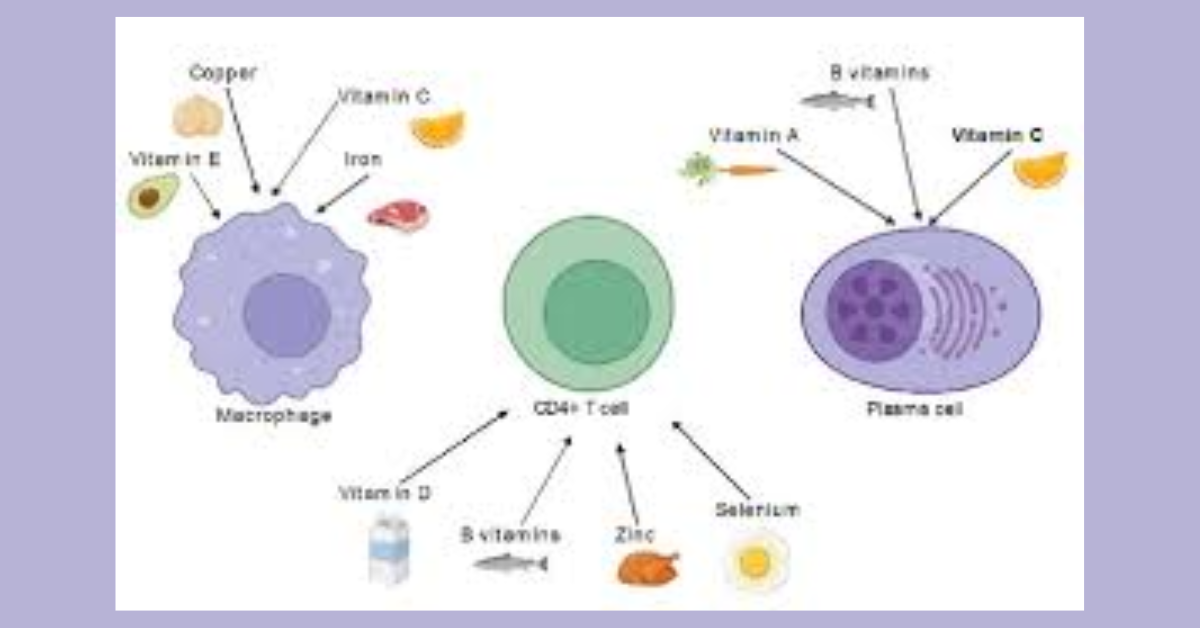
- Vitamin D3, iron, zinc, lactoferrin, glutathione
- Post‑viral fatigue and immune dysregulation
Why Single‑Ingredient, Bioavailable Micronutrients Matter
Clinically, precision beats quantity.
Single‑ingredient liposomal micronutrients allow:
- Targeted correction
- Dose titration
- Objective biomarker monitoring
- Reduced nutrient antagonism
This approach aligns better with evidence‑based, personalised nutrition.
Conclusion: From Micronutrient Intake to Micronutrient Impact
India’s micronutrient challenge is not merely about access or awareness—it is about clinical effectiveness.
Liposomal micronutrients bridge the gap between:
- Nutritional science
- Clinical practice
- Real‑world outcomes
By improving absorption, reducing side effects, and enabling therapeutic dosing, liposomal technologies are redefining how micronutrients contribute to lifestyle disease management, healthy aging, and immune resilience.