Introduction: Women’s Health in India Has a Hidden Nutritional Gap
Women’s health challenges in India extend far beyond reproductive care. Across life stages—from adolescence to pregnancy, midlife metabolic changes, and menopause—Indian women face overlapping burdens such as:
- Iron deficiency anemia
- Hormonal disorders like PCOS
- Chronic fatigue and low energy
- Recurrent immune weakness
- Joint degeneration and osteoarthritis
- Vitamin D deficiency and bone loss
While modern medicine has improved diagnostics and therapies, outcomes often remain incomplete because one central factor is frequently overlooked:
Micronutrient deficiencies and chronic inflammation are foundational drivers of women’s health issues.
Millions of women consume over‑the‑counter supplements, yet results remain inconsistent. The reason is increasingly clear:
poor absorption and low bioavailability.
This is why liposomal supplements are emerging as a clinically meaningful shift in women’s wellness and preventive care.
Why Women in India Are More Vulnerable to Deficiencies
Indian women are uniquely prone to nutrient depletion due to multiple systemic factors:
1. Menstrual Blood Loss
Adolescents and women of reproductive age experience repeated iron losses, often uncorrected.
2. Predominantly Vegetarian Diets
Plant-based diets provide mainly non‑heme iron, which has lower absorption.
3. Pregnancy and Lactation Depletion
Pregnancy dramatically increases requirements for iron, vitamin D, magnesium, and immune cofactors.
4. Sedentary Lifestyle + Central Obesity
Urban lifestyles and rising obesity worsen insulin resistance, hormonal imbalance, and inflammation.
5. Gut Dysbiosis and Poor Absorption
Antibiotic exposure, stress, and dietary imbalances reduce gut nutrient uptake.
As a result, even women taking supplements may remain deficient.
Current Treatment Gaps in Conventional Women’s Health Care
Modern pharmacology manages symptoms, but often leaves nutritional and inflammatory roots unaddressed.
PCOS
Common treatments include:
- Oral contraceptives
- Metformin
- Anti‑androgens
Yet micronutrient correction and inflammation reduction are rarely prioritized.
Iron Deficiency Anemia
Conventional iron salts often cause:
- Constipation
- Nausea
- Gastric irritation
- Poor adherence
Osteoarthritis in Women
NSAIDs provide relief but long‑term use carries risks:
- Gastric injury
- Renal stress
- Cardiovascular toxicity
Endometriosis & Pelvic Inflammatory Disorders
Chronic inflammation continues despite analgesics, with limited supportive strategies.
Women need safer long‑term solutions beyond symptom suppression.
Why OTC Supplements Often Fail Women: The Bioavailability Problem
Most supplements are delivered as tablets or capsules, facing challenges:
- Degradation in stomach acid
- Poor intestinal permeability
- Variable absorption in inflamed gut
- Requirement for very high doses
OTC vs Liposomal Nutraceuticals
| Factor | Regular OTC Supplements | Liposomal Active Nutraceuticals |
|---|---|---|
| Absorption | Variable, low | Predictable, high |
| Dose Needed | Higher | Often lower |
| GI Side Effects | Common | Minimal |
| Clinical Correction | Slow/inconsistent | Faster, reliable |
| Best Use | General wellness | Targeted correction + chronic care |
Dr Prashanth Malekar (Women’s Health Specialist, Goa) notes:
“In women, compliance and tolerability matter greatly. Liposomal delivery offers both improved absorption and fewer side effects, making correction feasible.”
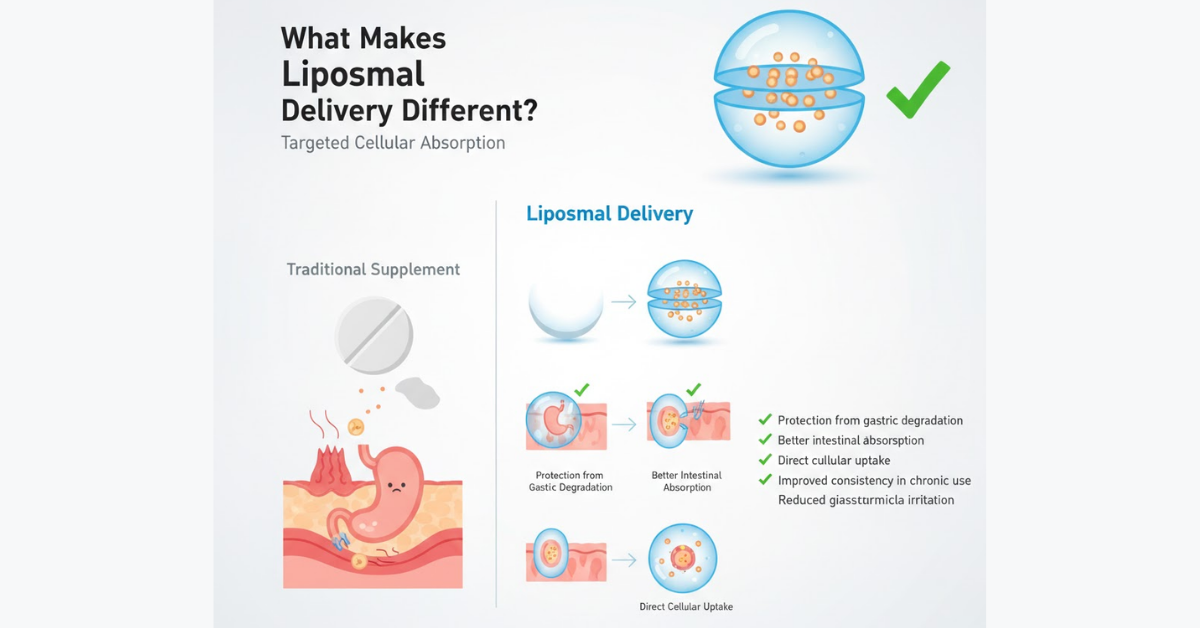
What Makes Liposomal Delivery Different?
Liposomal supplements encapsulate nutrients inside phospholipid membranes—similar to human cells.
This provides:
✅ Protection from gastric degradation
✅ Better intestinal absorption
✅ Direct cellular uptake
✅ Improved consistency in chronic use
✅ Reduced gastrointestinal irritation
Condition‑Wise Liposomal Applications in Women’s Health
1. Iron Deficiency and Fatigue: Precifer (Liposomal Iron)
Iron deficiency remains India’s most common women’s health problem, causing:
- Fatigue
- Hair fall
- Poor concentration
- Reduced immunity
- Pregnancy complications
Conventional iron is poorly tolerated.
Liposomal Advantage
Precifer (liposomal iron) improves absorption while avoiding mucosal irritation, resulting in:
- Better compliance
- Lower GI side effects
- Predictable correction
Dr Saira Bhanu (Hyderabad) says:
“Many women stop iron therapy due to intolerance. Liposomal iron is increasingly preferred for sustained correction without gastrointestinal burden.”
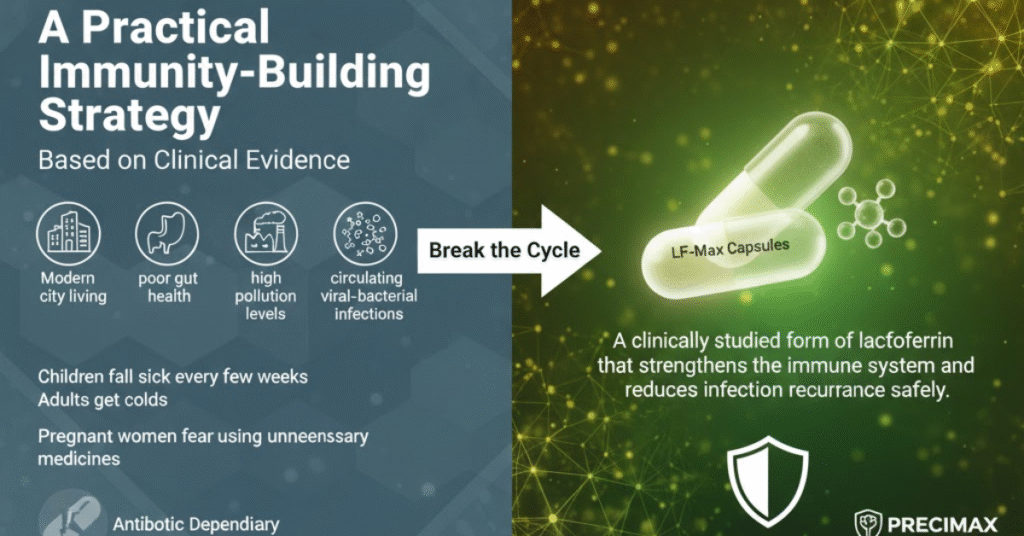
2. Immune and Inflammatory Support: LF‑Max (Liposomal Lactoferrin)
Lactoferrin is a natural iron‑binding immune protein that supports:
- Iron regulation
- Gut barrier integrity
- Anti‑inflammatory immune modulation
LF‑Max (liposomal lactoferrin) is useful in:
- Pregnancy anemia support
- Recurrent infections
- Chronic fatigue with inflammation
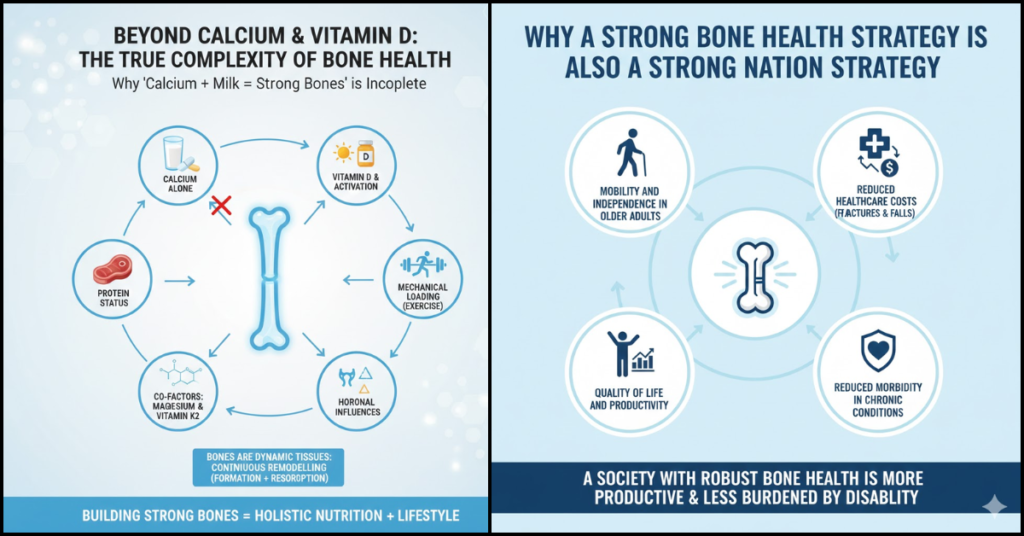
3. Bone, Hormonal & Metabolic Health: Liposomal Vitamin D3 + MgD3
Vitamin D deficiency is extremely common among Indian women, linked to:
- Bone pain and osteoporosis
- PCOS insulin resistance
- Immune imbalance
- Mood and fatigue disorders
Products
Benefits include improved serum correction and musculoskeletal resilience.
4. Liposomal Curcumin in Women’s Inflammatory Disorders: Cucimax
Curcumin is one of the most validated anti‑inflammatory nutraceuticals, but poor absorption limits outcomes.
Cucimax (liposomal/micellar curcumin) delivers clinically meaningful levels.
Key Women’s Applications
Endometriosis & Pelvic Inflammatory Disease
Inflammation drives chronic pelvic pain and oxidative stress.
Metabolic Syndrome in Women
Central obesity worsens hormonal dysfunction and inflammation.
Dr Shirish Govardhan (Pune) explains:
“Curcumin is highly validated but poorly absorbed traditionally. Liposomal curcumin provides consistent anti‑inflammatory support in chronic women’s inflammatory disorders.”
5. Osteoarthritis in Women: Healojoint
Osteoarthritis is highly prevalent among women over 40, accelerated by:
- Hormonal changes
- Oxidative cartilage damage
- Chronic inflammation
Healojoint, a liposomal curcumin‑based combination, supports:
- Joint inflammation reduction
- Improved mobility
- Lower NSAID dependency
6. PCOS + Adolescent Obesity: Maxlite Meal Replacement
PCOS is metabolic, not purely hormonal.
Visceral fat worsens:
- Insulin resistance
- Androgen excess
- Weight gain
Maxlite meal replacement provides structured nutrition support for:
- Weight management
- Adolescent obesity control
- PCOS metabolic recovery
Practical Clinical Guidance
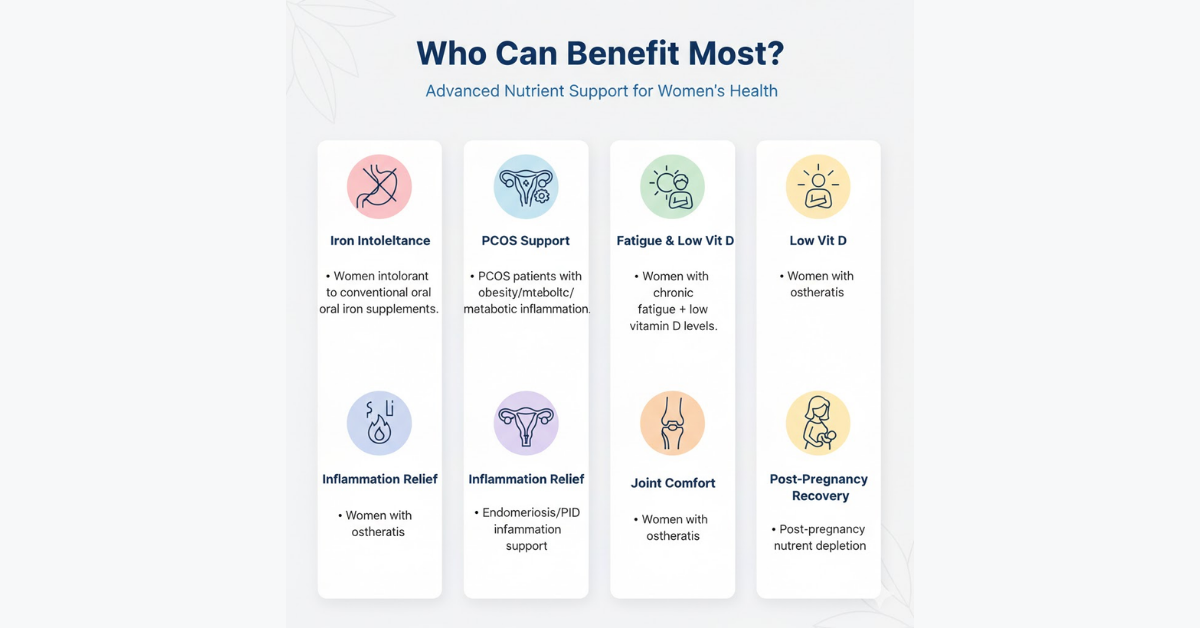
Who Can Benefit Most?
- Women intolerant to conventional iron
- PCOS patients with obesity/metabolic inflammation
- Women with chronic fatigue + low vitamin D
- Endometriosis/PID inflammation support
- Women with osteoarthritis
- Post‑pregnancy nutrient depletion
What to Expect
- Energy improvement within weeks (iron/D3 correction)
- Reduced inflammation over 2–3 months (curcumin)
- Better mobility and reduced joint pain (Healojoint)
- Weight and hormonal improvement with Maxlite support
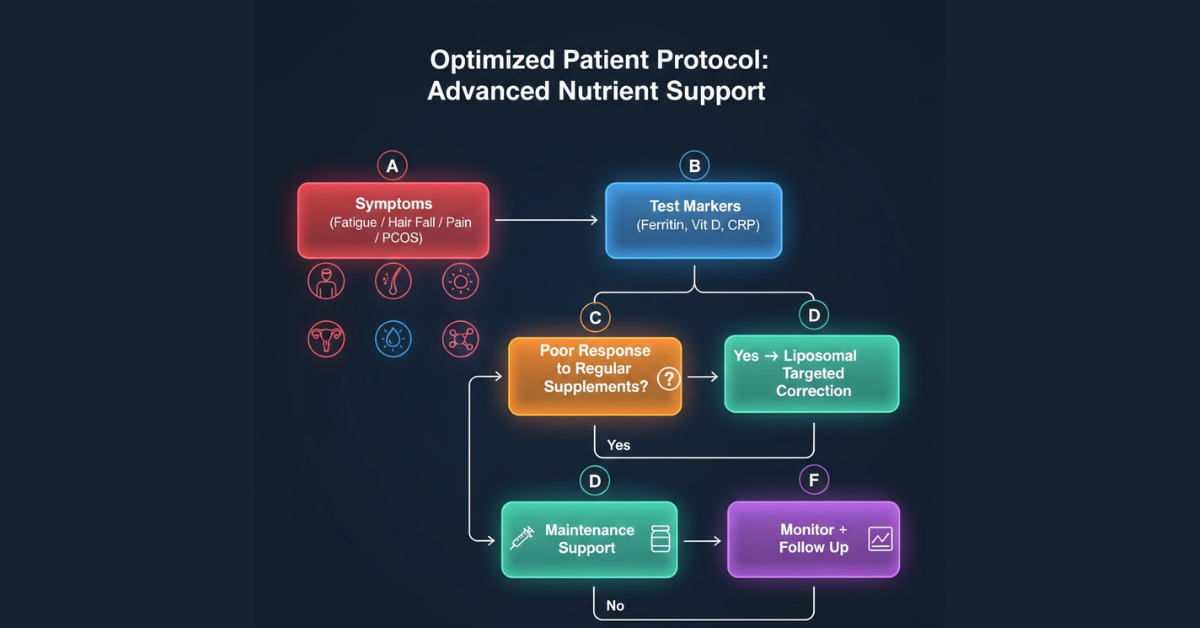
When to Start and When to Stop
- Start when deficiency or symptoms are present
- Continue until biomarkers normalize
- Stop or adjust under clinician supervision
Conditions Requiring Medical Supervision
- Pregnancy and lactation
- Severe anemia needing IV correction
- Chronic kidney disease
- Autoimmune disorders
- Patients on anticoagulants (curcumin caution)
Conclusion: A Modern Women’s Health Approach
Women’s health requires more than symptom suppression. Correcting iron deficiency, hormonal inflammation, metabolic imbalance, fatigue, immune vulnerability, and joint decline demands clinically reliable nutrient delivery.
Liposomal supplements such as Precifer, LF‑Max, Liposomal D3, MgD3, Cucimax, Healojoint, and Maxlite represent a formulation‑driven evolution toward predictable outcomes and improved quality of life for Indian women.