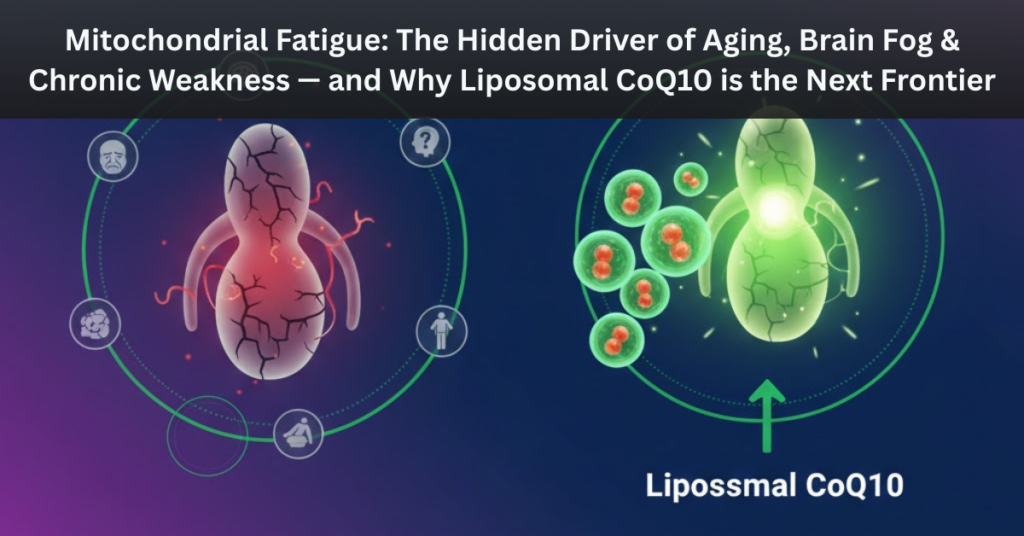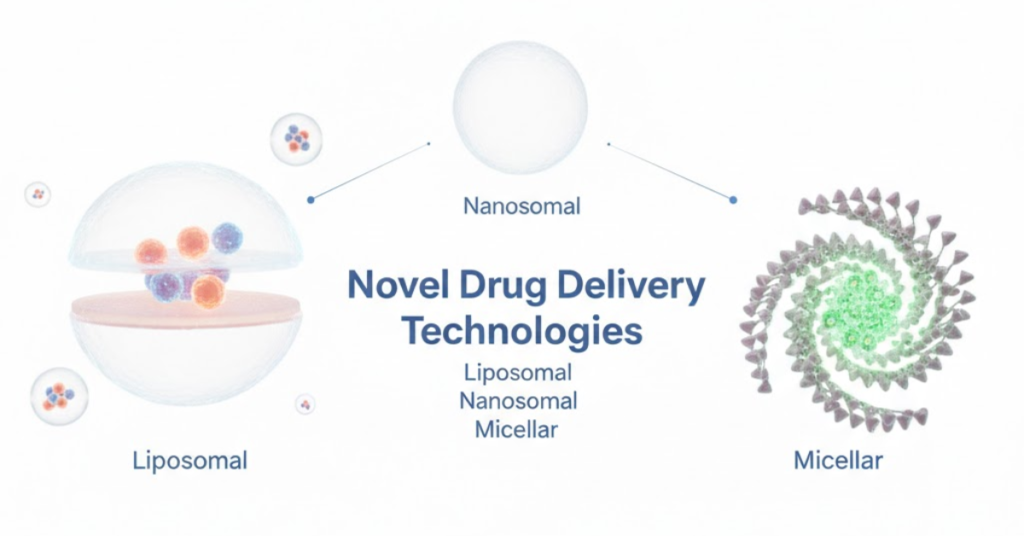
Liposomal technology has been popular in the last 10 years as a novel method of drug and supplement delivery. Liposomes, which are small spherical vesicles formed of phospholipid bilayers, preserve active substances, increase absorption, and make sure that they go to the right tissues more effectively than traditional dosage forms. This is especially important for minerals and bioactive chemicals that are naturally hard to absorb.
The Challenge of Poor Bioavailability
A lot of natural and synthetic substances have one thing in common: they don’t be absorbed well in the body. Even when taken in large amounts, this makes the therapeutic benefits less effective. Here are several examples:
• Plants and plant nutrients: Curcumin, resveratrol, and quercetin are examples of compounds that are good for your health yet don’t be absorbed well in the digestive system.
• Vitamins: Fat-soluble vitamins (A, D, E, K) frequently have trouble dissolving, whereas water-soluble vitamins (such vitamin C) are quickly removed from the body.
• Peptides and amino acids: These fragile molecules can break down in the digestive system before they get into the bloodstream.
Without new ideas, these bioactives need high dosages, which raises the danger of adverse effects, makes patients less likely to follow directions, and raises expenses.
Why Conventional Delivery Fails
1. Rapid Excretion and Frequent Dosing
A lot of nutrients don’t stay in the circulation for long. For example, vitamin C is quickly removed from the body through urine, so you need to take it often to keep levels high.
2. Macro-Sized Particles Limiting Absorption
Big molecules and substances that don’t dissolve have trouble getting through the lining of the intestines. For instance, conventional curcumin pills are really hard to absorb since they are big and don’t like water.
3. Nutrient-Nutrient Interactions
Some nutrients make it harder for the body to absorb others. For instance:
- Calcium can make it harder for the body to take in iron.
- Zinc can make it harder for the body to take in calcium.
These interactions make it harder to come up with formulation solutions and make typical oral supplements less effective.
4. Poor Target-Site Access
Even if they are absorbed, many chemicals can’t get to certain regions. The blood-brain barrier is a well-known example of this. It stops numerous therapeutic chemicals from getting to the brain in the right amounts.
These problems show why just giving someone more of a nutrient isn’t always the best method to help them.
Liposomal Technology: The Breakthrough Liposomes form a protective phospholipid coating surrounding active molecules. This design looks like the membranes of the body’s own cells, which lets the payload:
- Stay intact in the stomach and intestines.
- Go through cell membranes more easily.
- Get around metabolic problems and increase its half-life.
Get to certain tissues that are hard to reach otherwise.
Main Benefits
1. Better bioavailability
Encapsulation makes it more easier for the body to absorb things like curcumin, vitamin C, glutathione, and magnesium.
2. Less frequent dosing
Liposomal formulations eliminate the requirement for frequent dosing since the payload is preserved and released gradually.
3. Fewer Side Effects
Smaller dosages can be utilized to get the intended effects if the drug is more effective. For instance, liposomal magnesium is less likely to upset the stomach than regular magnesium oxide.
4. Improved Tissue Targeting
Liposomes can get past physiological barriers and deliver actives to cells in the brain or immune system.
Example in Real Life: Liposomal Magnesium
More than 300 enzymatic processes need magnesium to work. But regular magnesium salts, like magnesium oxide, don’t absorb well and can make you have diarrhea. Liposomal magnesium has:
Better absorption across cell membranes.
• Less inflammation in the stomach and intestines.
• Plasma levels that stay high, which makes it better in treating muscular cramps, exhaustion, and sleep problems.
This shows how liposomal compositions may be both safe and effective, as well as easy to use.
The Importance of Using the Right Liposomal Technology
Not all liposomal vitamins are the same. There are a number of things that affect how well they work:
• Particle Size:For the best absorption, it should be less than 200 nm.
• Stability:The liposomal formulation must not break down when it is being stored or moved.
• Phospholipid Quality: Natural phospholipids of high quality make it easier for human cell membranes to work with them.
• Manufacturing Method: More advanced procedures, such high-pressure homogenization, make liposomes that are more stable and consistent than basic emulsions.
The fact that not all nutrients require liposomal delivery must also be understood by consumers. For example, basic electrolytes like sodium and potassium are already well absorbed. People who have trouble absorbing things should only use liposomal forms.


Frequently Asked Questions About Liposomal Technology
1. What are liposomes?
Liposomes are tiny vesicles formed of phospholipids that are meant to hold and distribute active chemicals more effectively.
2. What makes liposomal supplements different from normal supplements?
They keep active ingredients from breaking down, help them get absorbed better, and bring them to the right tissues faster.
3. What nutrients do liposomal delivery work best for?
Some of the most frequent ones include curcumin, glutathione, vitamin C, magnesium, CoQ10, and resveratrol.
4. Are liposomal products safer?
Yes. Liposomal vitamins frequently cause less stomach problems since they need smaller amounts.
5. Is it possible for liposomal vitamins to go across the blood-brain barrier?
Yes, in certain situations. This makes them look like they may be useful for medicines that target the brain.
6. Do liposomes help the body absorb nutrients that are both fat-soluble and water-soluble?
Yes. Liposomes can hold both kinds of chemicals, which makes absorption much better.
7. How little are liposomes?
Usually between 50 and 200 nanometers, which is tiny enough to go through biological membranes.
8. Do liposomal supplements need to be stored in a certain way?
Some need to be kept in the fridge to be stable, and they should be kept away from heat and light.
9. Is it possible for liposomal technology to lessen medication interactions?
Yes, nutrient-nutrient interference is kept to a minimum by protecting actives until they get into the circulation.
10. Do liposomal products cost more?
Yes, however the higher effectiveness frequently makes the expense worth it because it lowers the amount needed.
11. How do you check the quality of liposomal formulations?
By looking at the size of the particles, doing stability studies, and testing the efficacy of encapsulation.
12. Do liposomes pose any toxicity risks?
Liposomes are harmless as long as they are made appropriately using natural phospholipids.
13. Are liposomal supplements safe for everyone?
Yes, although pregnant or nursing women should talk to their doctor before using it.
14. Is liposomal delivery able to make peptide-based medicines better?
Yes, it keeps peptides from being broken down by enzymes, which makes them more useful in medicine.
15. Do all nutrients need to be in liposomal form?
No. Only people who have problems with bioavailability or impediments to absorption really benefit.