Athletes and high-performance competitors regularly subject their bodies to extreme mechanical, metabolic, and oxidative stress. Repeated eccentric loading, collision impacts, and heavy training cycles cause inflammation and reactive oxygen species (ROS), which are biological signals required for adaptation but, if excessive or prolonged, impair recovery, reduce performance, and increase the need for analgesics like NSAIDs. When taken correctly, sensible, focused supplements can reduce detrimental inflammation and oxidative stress, expedite tissue healing, and reduce dependency on painkillers – all while preserving training adaptations.
Why inflammation and oxidative stress are important to athletes
Inflammation after exercise is natural and contributes to adaption. However, uncontrolled or persistent inflammation and oxidative damage result in delayed onset muscle soreness (DOMS), joint swelling, diminished power, and poor repeat performance. High oxidative load harms cell membranes and mitochondria, reducing recovery and increasing injury risk. These biological truths have a direct impact on elite athletes’ training time and game performance. Effective nutritional interventions attempt to minimise inflammation and oxidative damage while maintaining good signalling for adaptability. 
The Landscape: Common Anti-inflammatory Options in Sports Medicine
Athletes and sports clinicians often take the following approaches:
- NSAIDs (ibuprofen, naproxen) provide quick symptom relief but have dangers such as GI and renal issues, unfavourable effects on tissue healing, and cardiovascular risk when used excessively. The evidence for performance enhancement is limited; the hazards are obvious.
- Omega-3 fatty acids (EPA + DHA) are long-chain polyunsaturated fatty acids that change eicosanoid signalling and stimulate the synthesis of pro-resolving mediators (resolvins), which are beneficial for chronic inflammation and recovery over several weeks to months. There is evidence that supplements can reduce indicators of muscle injury and discomfort, although the benefits usually manifest after several weeks of use.
- Curcumin (high-absorption formulations such as micellar/liposomal/phytosomal) is a pleiotropic polyphenol that inhibits NF-κB, COX-2, and 5-LOX, lowers TNF-α and IL-6, and has excellent antioxidant properties. Multiple RCTs and meta-analyses have shown that high-bioavailability curcumin provides faster symptomatic alleviation in acute inflammation, DOMS, and postoperative oedema. Other nutraceuticals include bromelain, ginger, boswellia, vitamin D, antioxidants, and specialised amino acids, with supportive data but varying onset and size of impact.
Micellar Curcumin vs Omega-3: Head-to-Head (evidence snapshot)
Below is a concise, evidence-oriented comparison useful for clinicians and coaches.
Parameter | Micellar / High-absorption Curcumin | Omega-3 (EPA + DHA) |
Primary mechanism | Direct inhibition: NF-κB, COX-2, 5-LOX; antioxidant enzyme upregulation | Alters eicosanoid profile; generates pro-resolving mediators (resolvins/protectins) |
Onset of clinical effect | Rapid — reductions in DOMS, pain and inflammatory markers often within days–2–4 weeks (bioavailable forms). | Slower — measurable benefits commonly after 6–12 weeks; depends on dose. |
Best sports use cases | Acute injury recovery, DOMS reduction, post-competition inflammation control, short tactical supplement cycles (2–8 weeks). | Long-term recovery, endurance adaptations, cardiovascular support, reducing chronic low-grade inflammation. |
Dose practicality | Effective at moderate doses in high-absorption forms (e.g., 250–500 mg curcuminoids/day when formulated for bioavailability). | Often requires grams/day (1–4 g combined EPA+DHA) for anti-inflammatory effect; intake compliance matters. |
Safety / side effects | Well tolerated; rare GI upset; minimal bleeding risk at typical doses. | Generally safe; high doses can cause GI symptoms and may increase bleeding risk with anticoagulants. Oxidation of oils is a concern. PMC |
Strength of clinical evidence in athletes | Growing RCT/meta-analytic evidence for DOMS and post-exercise inflammation with bioavailable curcumin. | Multiple RCTs and systematic reviews show reductions in muscle damage markers and soreness; performance endpoints mixed. |

Sports medicine and athletes: Why curcumin stands out for short-term demands.
Rapid symptom management: Bioavailable curcumin formulations reduce CK and pro-inflammatory cytokines, as well as discomfort following eccentric activity, within a few days to weeks, making them appealing to athletes who need to recover quickly between competitions.
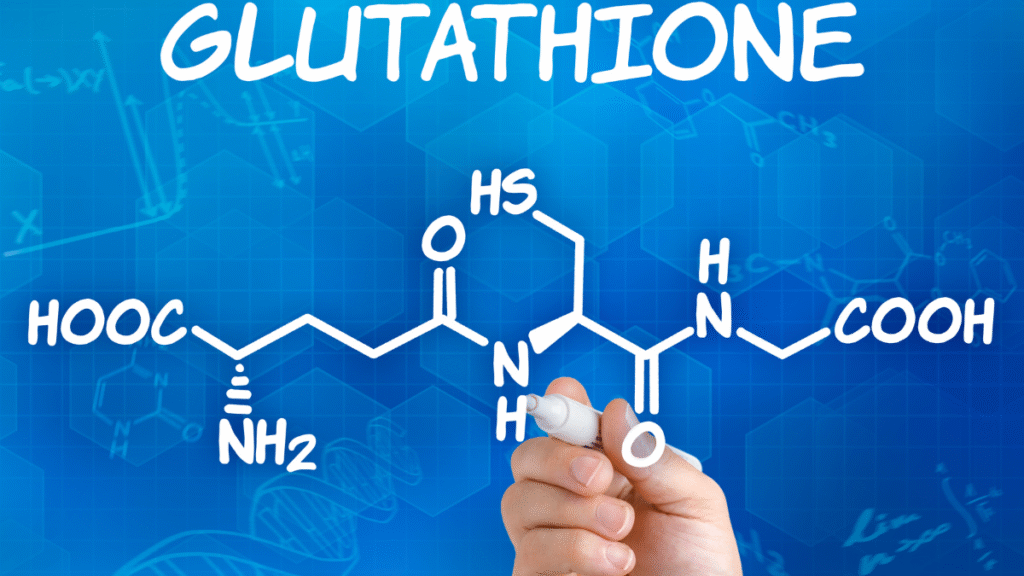
Curcumin increases natural antioxidant enzymes (SOD, catalase, and glutathione), which protect contracting muscle mitochondria from oxidative damage. This can lead to improved recovery and repeat performance.
Reduced NSAID reliance: Clinical research and sports reviews show that curcumin has analgesic and anti-inflammatory properties comparable to mild NSAIDs for specific illnesses, with less GI/renal safety concerns, allowing many sportsmen to use fewer analgesics.
Omega-3: why it is crucial for sportsmen.
Micellar Curcumin vs. Fish Oil (EPA+DHA) | ||
Feature / Parameter | Micellar Curcumin | Fish Oil (EPA + DHA) |
Absorption | Micellar technology improves curcumin bioavailability up to 50-60 x higher than standard curcumin; stable and consistent delivery | Absorption depends on fat content in meals; variable bioavailability |
Onset of Action | Rapid – noticeable reduction in pain, edema, and inflammation within 2–4 weeks (sometimes days in acute injuries) | Slower – typically requires 8–12 weeks for measurable effect |
Mechanism | Direct inhibition of NF-κB, COX-2, 5-LOX → reduces cytokines (TNF-α, IL-6, IL-1β) | Alters eicosanoid balance; generates resolvins & protectins for long-term inflammation control |
Key Benefits | Acute pain relief, swelling reduction, neuroprotection, strong antioxidant action | Cardiovascular protection, lipid modulation, long-term joint health |
Sports & Athletic Recovery | Proven to reduce exercise-induced muscle soreness (DOMS), faster recovery after injuries, ↓ oxidative stress, supports joint flexibility. Short-term use (2–6 weeks) shows clear performance recovery benefits. | Supports long-term joint lubrication and endurance. Limited evidence for short-term relief in athletes; results seen over months, not weeks. |
Antioxidant Power | Potent ROS scavenger + boosts body’s own antioxidant enzymes (SOD, catalase, glutathione) → protects against exercise-induced oxidative stress | Limited antioxidant effect; fish oil itself prone to oxidation if not stabilized |
Safety Profile | Well tolerated; minimal GI side effects | High doses (>3 g/day) may cause gastric reflux, fishy aftertaste, ↑ bleeding risk |
Dosage Efficiency | Effective at normal doses due to high absorption (250–500 mg/day) | Often requires grams/day for therapeutic effects |
Clinical Evidence | 300+ RCTs on curcumin, with growing focus on bioavailable forms (including sports performance studies) | ~150–200 RCTs, mostly in cardiovascular health |
Best Use Cases | Acute inflammation, arthritis, pain, neuroinflammation, antioxidant therapy, sports injury & recovery | Cardiovascular risk reduction(?), dyslipidemia(High dose), long-term joint health(with other agents) |

Systemic, pro-resolving biology: EPA/DHA help to resolve the overall inflammatory milieu, enhancing lipid profiles, endothelial function, and possibly endurance physiology – effects that last weeks to months and support long-term athlete health.
Endurance athletes and those with chronic joint stress benefit from prolonged omega-3 intake, which promotes joint metabolism and long-term cardiometabolic resilience.
Combining curcumin and omega-3: logic and evidence.
Preclinical and growing clinical evidence suggest that curcumin plus omega-3s have additive or synergistic effects: curcumin provides rapid, direct suppression of inflammatory signalling and antioxidant action, whereas omega-3s maintain resolution biology and cardiovascular advantages. Animal and cell studies show that combination therapy improves mitochondrial recovery and cartilage protection; early human trials indicate improved biomarker profiles compared to single medicines, although larger RCTs in athletes are needed. Short-term curcumin cycles (for event windows) paired with continual omega-3 maintenance is a sensible, evidence-based strategy.
What sports organisations recommend?
The IOC / International Olympic Committee’s 2018 supplement consensus emphasises evidence-based use, testing supplements in training before competition, and exercising vigilance about contamination and doping risk. Curcumin and correctly obtained omega-3s are typically accepted for medicinal usage after third-party testing.
Sports nutrition reviews and position statements (Int J Sport Nutr Exerc Metab) recommend supplement testing for athlete safety and emphasise that interventions should be tailored to the athlete’s needs and performance before being used in competition.
Practical guidelines for athletes and clinicians.
Use high-absorption curcumin (micellar, phytosomal, liposomal) for brief cycles (2-8 weeks) around intensive training blocks or contests to quickly reduce DOMS and acute inflammation. Typical curcuminoid dose in experiments ranged from 150 to 500 mg/day of bioavailable curcumin formulations.
Maintain omega-3 status with a daily EPA+DHA intake (e.g., 500 mg-2 g/day depending on goals); greater dosages (2-4 g/day) may be required to target inflammation, but only under supervision. When possible, use the baseline omega-3 index to ensure precision.
Avoid routine prophylactic high-dose NSAIDs; reserve for acute clinical need under medical supervision due to safety and possible negative tissue-healing effects.
Trial supplements in training, not first time in competition — per IOC guidance. Source third-party tested products to minimize contamination risk.
Conclusion
For athletes who need fast recovery, reduced soreness and fewer painkillers, high-absorption curcumin is an evidence-backed, practical choice for short cycles. Omega-3s complement curcumin by providing longer-term, systemic anti-inflammatory and cardio-metabolic benefits. When used intelligently—trialled in training, third-party tested and individualized—these supplements can meaningfully reduce recovery time and support performance while reducing harmful reliance on NSAIDs.