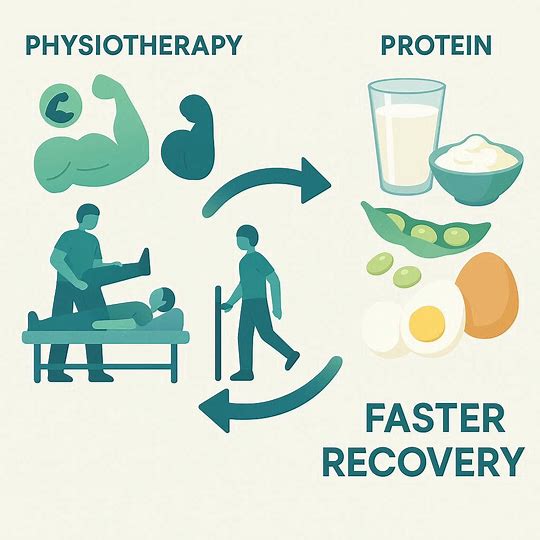
Why Protein is Important for Life
Protein is one of the three macronutrients, along with carbohydrates and fats. However, it is typically the most overlooked in daily meals. It is essential for:
- Building and repairing muscles, tissues, skin, and hair
- Supporting enzymes, hormones, and the immune system
- Helping with weight management and making you feel full
- Keeping bones and metabolism healthy
The body doesn’t accumulate protein reserves like it does carbs and fats. This means that eating it regularly is essential.
Eating Protein in India and the West
- India: Surveys reveal that 70–80% of Indians eat less protein than they need. The average amount taken in is 30 to 50 grammes per day, but the needs are usually higher. A 2017 IMRB study indicated that 90% of Indians did not get enough protein.
- Western Countries: People in the US and Europe eat a lot more protein (70–100 g/day) than people in added countries of the world. This is mainly because they eat more meat, eggs, and dairy.
- The Concern for India: Indians also tend to have less muscle mass and lean body reserve, which makes them more likely to get weak, lose muscle as they age, and get ailments related to their lifestyle.
Myth 1: Only bodybuilders and those who work out need protein.
Fact: Everyone needs protein, from kids who need it to grow, to pregnant women, to older people who need it to keep their muscles from losing strength.
Myth 2: Vegetarians can’t obtain enough protein.
Fact: Vegetarians can obtain all the protein they need by eating the correct balance of beans, pulses, soy, and dairy.
Myth 3: Diets high in protein hurt the kidneys.
Fact: Protein does not hurt the kidneys in healthy persons. Only people with kidney illness need to be careful.
Myth 4: Carbs give you energy, and protein isn’t as necessary.
Fact: Protein not only builds tissue, but it also gives you energy when you need it and stops muscle loss when you cut back on calories.
Myth 5: Protein supplements are dangerous like “steroids.”
Fact: Whey, soy, pea, or casein powders are just concentrated dietary proteins, not medications. Safe when bought from well-known companies.
Myth 6: Indians get adequate protein from dal, roti, and rice.
Fact: Most Indian diets are low in protein and rich in carbs. The average daily intake is 30–50 g, although the recommended daily intake is 60–90 g.
Myth 7: A larger protein means larger muscles right away.
Fact: Protein helps muscles grow, but only when you do strength training. You won’t get lean muscle if you eat protein and don’t work out.
Myth 8: Proteins from plants are not as good as proteins from animals.
Fact: Animal proteins are easier to digest, but mixing plant sources (such as dal and rice or hummus and bread) can make them complete.
Myth 9: Older folks don’t need as much protein.
Fact: To avoid sarcopenia and frailty, they need extra protein (1.0–1.2 g/kg).
Myth 10: Eating a lot of protein causes you to gain weight.
Fact: Eating too many calories from any source might make you gain weight. Protein does help you feel full and prevent overeating.
Sources of Protein and How the Body Uses Them
All proteins are not same. The quality of them relies on how many amino acids they have and how easily they are to digest. Protein Digestibility-Corrected Amino Acid Score (PDCAAS) and DIAAS Values
- Eggs and whey protein:1.0 (great, full protein).
- Milk and dairy:1.0 (casein and whey are both OK).
- Soy Protein:0.9 (the most excellent plant-based alternative because it has all the amino acids it needs).
- Legumes and pulses:0.6–0.7 (not enough on its own; need to be mixed with cereals).
- Cereals(rice, wheat, maize): 0.4–0.6 (not a lot of lysine).
Takeaway: For vegetarians, mixing cereals and pulses (such as rice and dal or roti and rajma) improves the amino acid profile.
Protein Requirements for Different Type of People
Population Group | Recommended Protein Intake (g/kg body weight/day) | Key Notes |
Healthy Adults | 0.8 – 1.0 g/kg | Maintenance needs |
Elderly (>60 years) | 1.0 – 1.2 g/kg | Stop sarcopenia and keep your strength. |
Children & Adolescents | 1.0 – 1.5 g/kg | Growth and progress |
Pregnant & Lactating Women | 1.1 – 1.3 g/kg | Growth of the fetus and production of milk |
Athletes & Fitness Enthusiasts | 1.5 – 2.0 g/kg | Repairing and improving muscle function |
Chronic Illness/Medical Recovery | 1.2 – 2.0 g/kg | Healing of tissues and faster recovery |
Obese/Weight Loss Diets | 1.2 – 1.5 g/kg | Help maintain lean mass while losing weight |
CKD Patients (non-dialysis) | 0.6 – 0.8 g/kg | Limited by medical advice |
Pros and cons of taking protein from outside sources:
Pros:
- It’s easy to do, especially for busy workers.
- Good mix of amino acids, especially whey, casein, and soy isolates;
- Simple to adjust for athletes, older people, or people who are recovering;
- Some are made better by adding minerals and vitamins.
Cons
- Supplements that are of poor quality or have been tampered with could be bad for your health.
- Overeating without doing anything leads to extra calories.
- Not a replacement for whole foods (missing fibre and phytonutrients).
Strengths and weaknesses of different types of protein supplements
- Whey Protein (Concentrate, Isolate, Hydrolysate)
- A complete protein that digests quickly.
- Best for recovering after a workout.
Weakness: Not suitable for anyone who can’t handle lactose (except for isolate).
- Casein Protein
- Takes a long time to digest and makes you feel full.
- Great for recovering at night.
Weakness: It contains dairy, which could cause allergies.
- Soy Protein:
- This is a plant-based protein that has a complete amino acid profile.
- A good choice for vegans.
Weakness: Some people are worried about phytoestrogens (which are harmless in small amounts).
- Pea Protein:
- It is not likely to cause allergies and is easy to digest.
Often mixed with rice protein to make the amino acids more even.
- Rice Protein:
- Not complete (poor in lysine).
Works best when mixed with other things.
- Collagen Protein:
- Good for your skin, joints, and intestines.
Weakness: It doesn’t have all the amino acids needed to create muscle.
Why Indians Should Think About Taking Protein Supplements
- Low dietary intake (30–50 g/day on average vs. 60–90 g/day needed).
- Meals with a lot of carbs (such as rice, roti, and potatoes) make up most people’s diets.
- Indians have less muscle mass than people in the West.
- Supplementation ensures adequacy, especially
- for older people (to avoid sarcopenia).
- Women (after giving birth, during menopause).
- People who like to work out and be active.
- People who are getting better after being sick or having surgery.
Conclusion
Protein isn’t only for bodybuilders; it’s the key to living a long, healthy life and avoiding sickness. India’s low protein intake and low body fat stores make it very important to make sure that people get enough protein through their food and supplements. Picking the proper kind of protein for your needs can boost your strength, immune system, and quality of life.
FAQs:
- How much protein do Indians truly need every day?
Ans – Adults need between 0.8 and 1 gram per kilogram of body weight. Most Indians don’t meet this standard.
- What are the most significant sources of protein for vegetarians?
Ans – Chickpeas, lentils, kidney beans, soy, paneer, milk, almonds, seeds, and quinoa.
- Do Indians eat less protein than people in the West?
Ans – Yes. Indians eat an average of 30 to 50 grammes of food a day, while people in the West eat 70 to 100 grammes a day.
- Is it bad for your kidneys to eat too much protein?
Ans – It’s bad for kidney only anyone already have kidney problems. Safe for healthy persons.
- What is the finest protein supplement for people from India?
Ans – Whey isolate is suitable for people who don’t eat meat, while soy/pea blends are suitable for vegetarians.
- Do women need less protein than men?
Ans – Not gender, but bodily weight determines requirements. Women who are pregnant or breastfeeding require a little more.
- Does protein help you lose weight?
Ans – Yes. High-protein diets help you feel full, keep your lean muscle, and lose fat.
- Are protein powders safe for kids?
Ans – It is not usually needed if the diet is good. Underweight people or athletes may want to think about it with help.
- Is plant protein superior to animal protein?
Ans – Both are good. Animal protein is easier to digest, but well-planned plant protein combinations can still meet demands.
- Do older individuals need extra protein?
Ans – Yes. To keep from losing muscle, they need 1.0–1.2 g/kg of body weight.
- Is it safe for people with diabetes to use protein powder?
Ans – Yes, especially whey or soy protein that isn’t sweetened. It helps with glycaemic management.
- When is the ideal time to take protein powder?
- After working out (to help you recover).
- Before bed (casein for nighttime repair).
- A meal substitute when there isn’t enough protein in the diet.
Calculator for Protein Needs
You can put this simple step-by-step guide in your blog for your readers:
Step 1: Write down how much you weigh in kilograms.
Step 2: Use the number supplied for your group to multiply your weight by:
- Adult who doesn’t move: 0.8 g/kg
- People over 60: 1.0 to 1.2 g/kg
- Pregnant or nursing: 1.1–1.3 g/kg
- For athletes and others who like to work out: 1.5–2.0 g/kg
- Getting well from an illness or injury: 1.2–2.0 g/kg
- Diets for losing weight: 1.2–1.5 g/kg
For example:
A 70 kg adult who doesn’t exercise needs 56 g/day.
A 70 kg athlete needs 126 g per day.