Platelets Beyond Clotting: The New Frontier in Regenerative Medicine
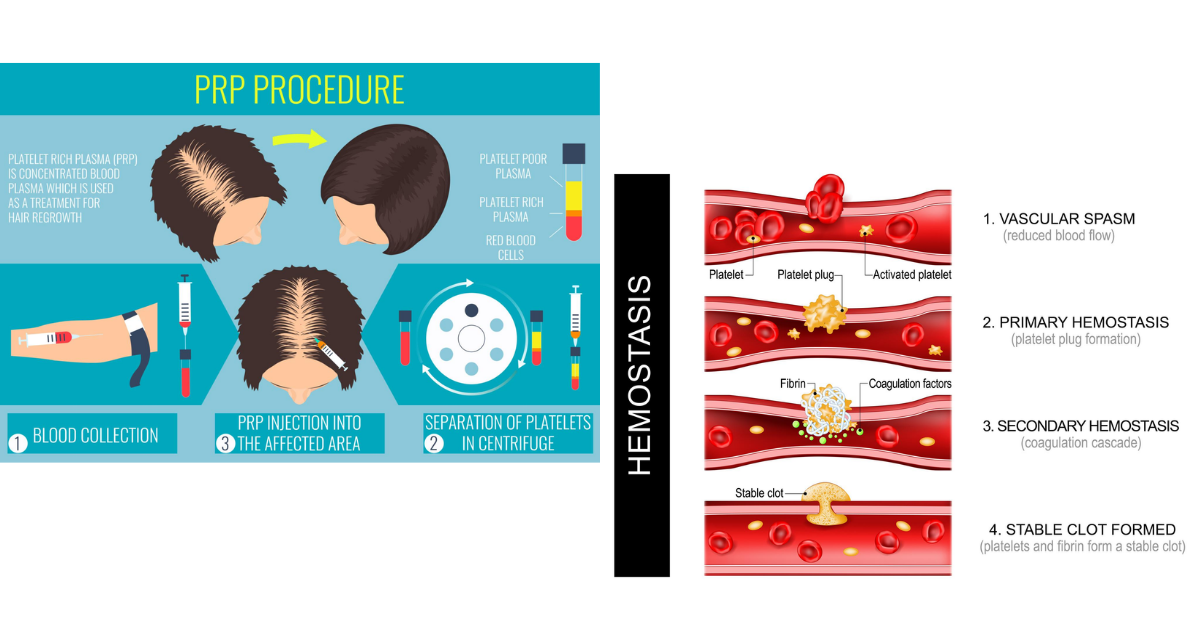
For decades, platelets were primarily associated with blood clotting. Today, modern regenerative medicine recognizes platelets as powerful biological mediators involved in tissue repair, immune modulation, vascular health, and cellular regeneration.
Platelets release bioactive growth factors such as platelet-derived growth factor (PDGF), transforming growth factor-beta (TGF-β), vascular endothelial growth factor (VEGF), and epidermal growth factor (EGF). These molecules influence:
- Tissue healing and regeneration
- Collagen synthesis and skin rejuvenation
- Angiogenesis and vascular repair
- Inflammation regulation
- Immune signaling and recovery
This expanding understanding has driven the rapid adoption of Platelet Rich Plasma (PRP) therapy in orthopedics, sports medicine, dermatology, wound care, aesthetic medicine, and hair restoration.
However, PRP success depends significantly on platelet count, platelet functionality, and platelet biological quality — areas increasingly influenced by age, metabolic health, medications, infections, and oxidative stress.
This is where targeted platelet optimization nutraceuticals like PRPPRO™ Capsules are gaining importance.
Why Platelet Optimization Matters for PRP Therapy Outcomes
PRP therapy essentially concentrates the patient’s own platelets and reinjects them into injured or degenerative tissues. The effectiveness of this therapy depends on:
- Adequate platelet numbers
- Functional platelet responsiveness
- Growth factor release capacity
- Oxidative stress resilience
- Metabolic health of the patient
Clinical observations show variability in PRP outcomes, especially in elderly individuals, diabetics, metabolically stressed populations, and those recovering from illness.
According to regenerative medicine experts:
“Nutritional optimization of platelets before PRP procedures can improve consistency of outcomes, particularly in aging and metabolic populations.”
This has led to growing interest in supportive nutraceutical strategies.
Factors That Reduce Platelet Count or Platelet Quality
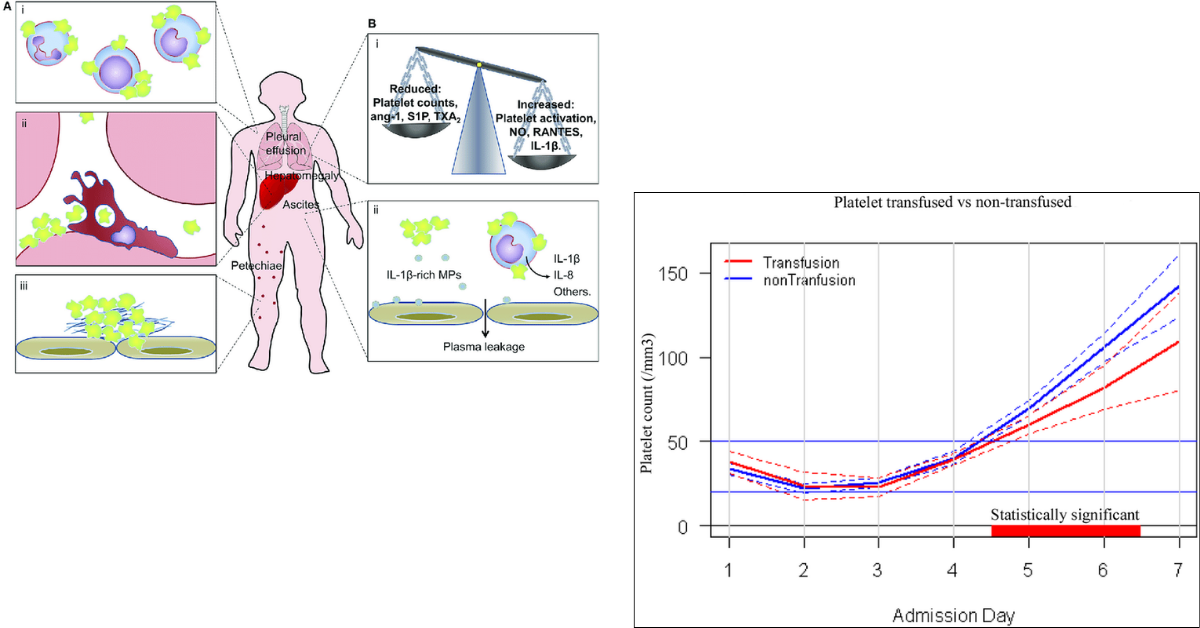
Platelet decline or dysfunction may arise from several conditions:
Aging and Physiological Decline
Bone marrow responsiveness gradually decreases with age. Nutritional deficiencies, oxidative stress, and chronic inflammation can reduce platelet production and responsiveness.
Metabolic Disorders
Diabetes, obesity, metabolic syndrome, and chronic inflammatory states influence platelet biology through:
- Oxidative stress
- Glycation damage
- Inflammatory cytokines
- Endothelial dysfunction
This can impact both platelet quantity and regenerative signaling.
Viral Illness Recovery
Post-viral thrombocytopenia is common after infections such as dengue and chikungunya. Even after acute recovery, platelet normalization may take time.
Drug-Induced Platelet Suppression
Certain pharmacological agents can dent platelet efficacy:
- NSAIDs and aspirin
- Antiplatelet medications
- Chemotherapy agents
- Steroids and immunosuppressants
- Certain antivirals and antibiotics
Such factors may reduce platelet yield or impair platelet function relevant to regenerative therapies.
Introducing PRPPRO™ Capsules — A Scientifically Designed Platelet Optimization Nutraceutical
PRPPRO™ Capsules are developed as a targeted platelet health supplement supporting:
- Platelet count optimization
- Platelet functional quality
- PRP therapy readiness
- Recovery after viral illnesses
- Support during metabolic stress
Originally designed for elderly individuals undergoing PRP procedures, its use has expanded to post-viral recovery and platelet support in metabolically stressed populations.
Ingredient Science: How PRPPRO™ Supports Platelet Health
Carica Papaya Extract
Traditionally used for platelet support, especially during dengue recovery. Helps maintain platelet levels and supports hematological stability.
Vitamin B12
Critical for red blood cell and platelet production. Deficiency is common in elderly and vegetarians.
Folic Acid (Vitamin B9)
Essential for DNA synthesis and cell division, supporting platelet formation.
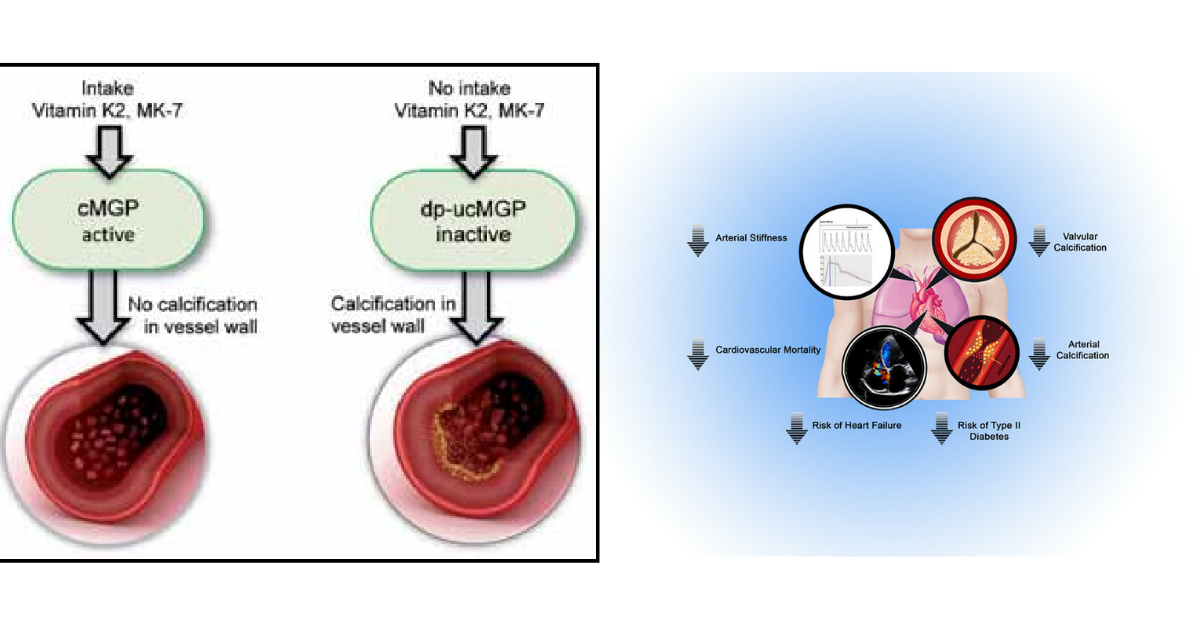
Vitamin K2
Supports platelet function and vascular health — an often overlooked aspect in platelet optimization.
Liposomal Melatonin
Provides antioxidant protection and supports cellular recovery, helping preserve platelet functional integrity.
This multi-pathway formulation distinguishes PRPPRO™ from single-ingredient platelet supplements.
Many platelet supplements rely solely on papaya extract. While helpful, they may lack broader platelet optimization support.
Key Differences
- Single ingredient vs multi-nutrient formulation
- Platelet count focus vs count + function support
- Minimal antioxidant support vs liposomal melatonin protection
- Limited vascular support vs vitamin K2 inclusion
PRPPRO™ is designed to address platelet biology more comprehensively.
Clinical Applications of ProPRP™
1. PRP Therapy Preparation
Recommended 7–10 days before PRP procedures, especially in:
- Osteoarthritis treatments
- Sports injuries
- Hair PRP procedures
- Skin rejuvenation PRP
- Chronic wound healing
Consistent platelet quality supports more predictable PRP outcomes.
2. Post Viral Recovery Support
Platelet decline following dengue or chikungunya may require nutritional support during recovery.
Important clarification:
PRPPRO™ is a nutraceutical support — not a treatment for viral infections.
3. Platelet Support After Medical Treatments
Useful supportive nutrition during recovery from:
- Chemotherapy
- Immunosuppressive therapy
- Long-term medication effects
- Metabolic stress conditions
Always under physician guidance.
4. Aesthetic and Dermatology PRP Procedures
Repeated PRP sessions in cosmetology require consistent platelet function.
Applications include:
- Hair restoration PRP
- Anti-aging procedures
- Skin rejuvenation
- Scar management
Nutritional platelet optimization may improve procedural consistency.
5. Aging and Metabolic Health Support
Particularly relevant in:
- Diabetes
- Obesity
- Metabolic syndrome
- Chronic inflammatory conditions
- Age-related platelet decline
Platelet optimization may contribute to systemic recovery resilience.
Dosage, Duration and Usage Guidance
Typical usage:
1–2 capsules daily
Preferably after meals with water
Start 7–10 days before PRP procedures
Duration varies depending on:
PRP treatment cycles
Recovery phases
Clinical goals
Medical advice
No refrigeration required.
Safety Profile and Practical Considerations
PRPPRO™ is a nutraceutical supplement, not a medicine.
Consult a physician if:
- On blood thinners or antiplatelets
- Recovering from serious illness
- Pregnant or lactating
- Undergoing cancer treatment
Nutraceutical support complements clinical care.
Expert Perspectives on Platelet Optimization
Regenerative medicine clinicians increasingly emphasize platelet quality.
Common expert observations include:
- Platelet count alone is insufficient
- Functional platelet biology matters
- Metabolic health influences PRP outcomes
- Nutritional optimization improves predictability
Such insights are shaping modern regenerative medicine protocols.
The Future of Platelet Optimization in Regenerative Medicine
The evolving science of regenerative therapies increasingly recognizes that successful outcomes depend not just on procedures, but on biological readiness.
Platelet health is central to:
- PRP therapy success
- Immune resilience
- Tissue repair
- Post-viral recovery
- Healthy aging
Targeted nutraceuticals like PRPPRO™ represent a new approach — supporting both platelet count and platelet functional quality.
For clinicians, patients undergoing PRP, individuals recovering from viral illness, and aging populations facing metabolic stress, platelet optimization may become an important supportive strategy.