Introduction: Chronic Inflammation – The Silent Epidemic of Modern Health
Chronic low-grade inflammation has emerged as one of the most important drivers of modern non-communicable diseases. Unlike acute inflammation, which is protective and short-lived, persistent inflammation contributes to metabolic disorders, arthritis, cardiovascular diseases, neurodegeneration, autoimmune conditions, and even cancer.
Current pharmaceutical interventions often focus on symptomatic suppression of inflammation through NSAIDs, steroids, or biologics. While effective in acute situations, long-term use can be associated with adverse effects such as gastrointestinal damage, metabolic disruption, immunosuppression, or organ toxicity.
This has led clinicians, nutrition experts, and researchers to explore safer long-term alternatives. Among natural bioactive compounds, two polyphenols — resveratrol and curcumin — have gained remarkable attention due to their multi-target anti-inflammatory actions, antioxidant potential, metabolic benefits, and relative safety.
Increasingly, evidence suggests that combining these two compounds produces synergistic benefits, making the pair one of the most promising phytoceutical strategies for managing chronic inflammation.
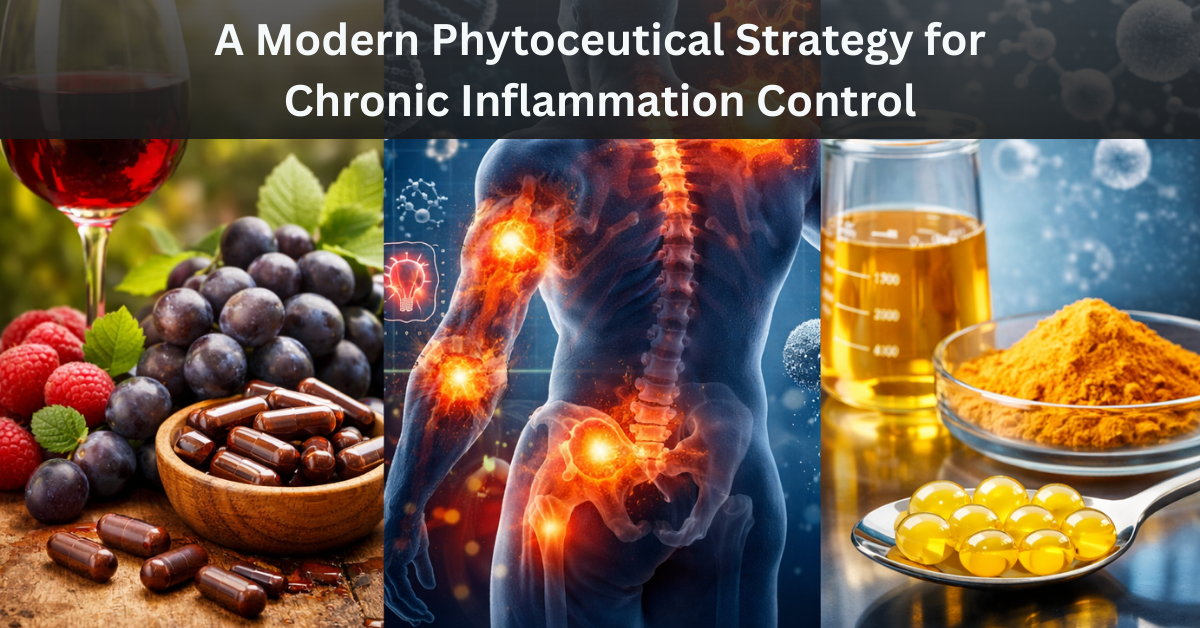
Understanding Chronic Low-Grade Inflammation
Chronic inflammation is often subtle but persistent. It is characterized by:
- Elevated inflammatory cytokines such as TNF-α, IL-6, CRP
- Oxidative stress imbalance
- Mitochondrial dysfunction
- Endothelial damage
- Immune dysregulation
This type of inflammation is commonly seen in:
- Osteoarthritis and musculoskeletal disorders
- Type 2 diabetes and metabolic syndrome
- Cardiovascular disease
- Neurodegenerative disorders
- Gut inflammatory conditions
- Autoimmune diseases
Lifestyle factors including sedentary habits, processed diets, pollution exposure, psychological stress, and aging significantly contribute to this inflammatory state.
Curcumin: The Multi-Target Anti-Inflammatory Gold Standard
Curcumin, derived from turmeric (Curcuma longa), has been extensively studied for its anti-inflammatory properties. It modulates multiple molecular pathways:
- Inhibition of NF-κB signaling (master inflammation regulator)
- Reduction in COX-2 and LOX inflammatory enzymes
- Suppression of cytokine production
- Antioxidant activity reducing ROS damage
Clinical studies show curcumin’s potential benefits in arthritis, metabolic syndrome, inflammatory bowel disease, neurodegenerative conditions, and cardiovascular health.
However, one major limitation remains — poor bioavailability. Oral curcumin shows low absorption and rapid metabolism, often leading to negligible blood levels unless advanced formulations are used.
Resveratrol: The Longevity Polyphenol with Anti-Inflammatory Power
Resveratrol, found in grapes, berries, and red wine, is widely recognized for:
- SIRT1 activation (longevity pathway)
- Anti-oxidative stress effects
- Improved mitochondrial function
- Anti-inflammatory cytokine modulation
Clinical evidence indicates resveratrol may improve inflammation and oxidative stress markers, particularly in metabolic diseases like type 2 diabetes, although larger studies are still needed.
Similar to curcumin, resveratrol also faces bioavailability challenges due to rapid metabolism and low systemic stability.
Why Combine Resveratrol and Curcumin?
1. Complementary Molecular Targets
Curcumin and resveratrol influence overlapping yet distinct inflammatory pathways. When combined:
- Greater suppression of NF-κB activity
- Enhanced antioxidant defense
- Broader cytokine modulation
- Improved metabolic signaling
Recent scientific reviews highlight the synergistic potential of these polyphenols in modulating oxidative stress and inflammatory pathways across several chronic diseases.
2. Synergistic Anti-Inflammatory Effects
Combination strategies can:
- Enhance therapeutic efficacy
- Reduce required dosage
- Minimize side effects
- Improve long-term compliance
Research exploring combined formulations suggests enhanced biological effects compared to individual compounds alone, particularly in inflammatory and metabolic disorders.
3. Multi-Organ Protective Benefits
Together, they may provide:
- Joint protection in osteoarthritis
- Cardiovascular endothelial support
- Neuroprotective benefits
- Metabolic regulation
- Immune balance
This makes the combination especially attractive for individuals with multi-system inflammatory conditions.
Role in Specific Chronic Conditions
Osteoarthritis and Musculoskeletal Disorders
Chronic joint inflammation leads to cartilage degeneration, pain, and mobility issues. Curcumin inhibits inflammatory mediators in joints, while resveratrol supports mitochondrial function and cartilage preservation.
The combination can:
- Reduce pain
- Improve mobility
- Slow degenerative changes
Metabolic Syndrome and Diabetes
Oxidative stress and inflammation are central to metabolic dysfunction.
Studies show:
- Improved insulin sensitivity
- Reduction in inflammatory markers
- Better lipid metabolism
Neuroinflammation and Brain Health
Both compounds cross the blood-brain barrier (especially in advanced formulations) and may help:
- Reduce neuroinflammation
- Support cognitive health
- Protect against neurodegenerative processes
Gut Inflammatory Disorders
Polyphenols regulate gut microbiota and intestinal inflammation. Research indicates their role in maintaining gut barrier integrity and reducing inflammatory bowel conditions.
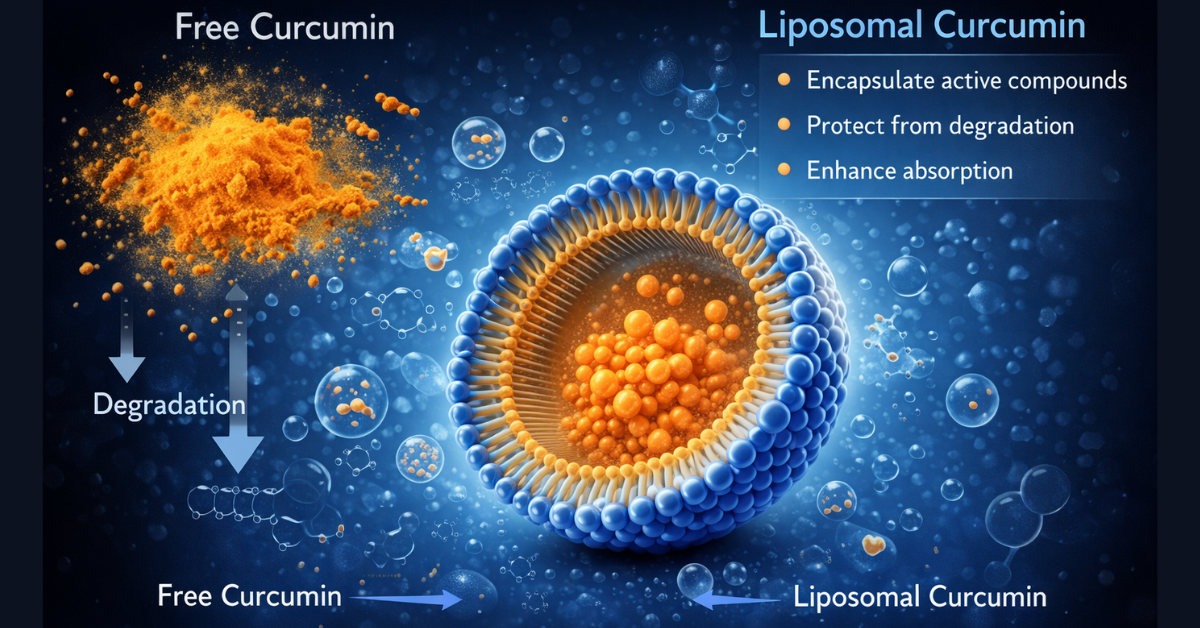
The Bioavailability Challenge: Why Formulation Matters
Despite strong biological potential, both curcumin and resveratrol suffer from:
- Poor solubility
- Rapid metabolism
- Low systemic absorption
Standard formulations often deliver suboptimal clinical benefits due to these limitations.
Liposomal and Micellar Technologies: A Game Changer
What Are Liposomal Formulations?
Liposomal delivery uses phospholipid vesicles that:
- Encapsulate active compounds
- Protect them from degradation
- Enhance absorption via lipid pathways
Studies show liposomal curcumin significantly improves bioavailability compared to free curcumin, with better absorption and pharmacokinetics.
Micellar Technology
Micelles are nano-sized carriers that enhance solubility and intestinal uptake.
Clinical studies indicate:
Up to 24-fold higher bioavailability compared to standard extracts
Higher plasma concentrations even at lower doses
Some micellar formulations may achieve over 100-fold improved absorption compared to unformulated curcumin.
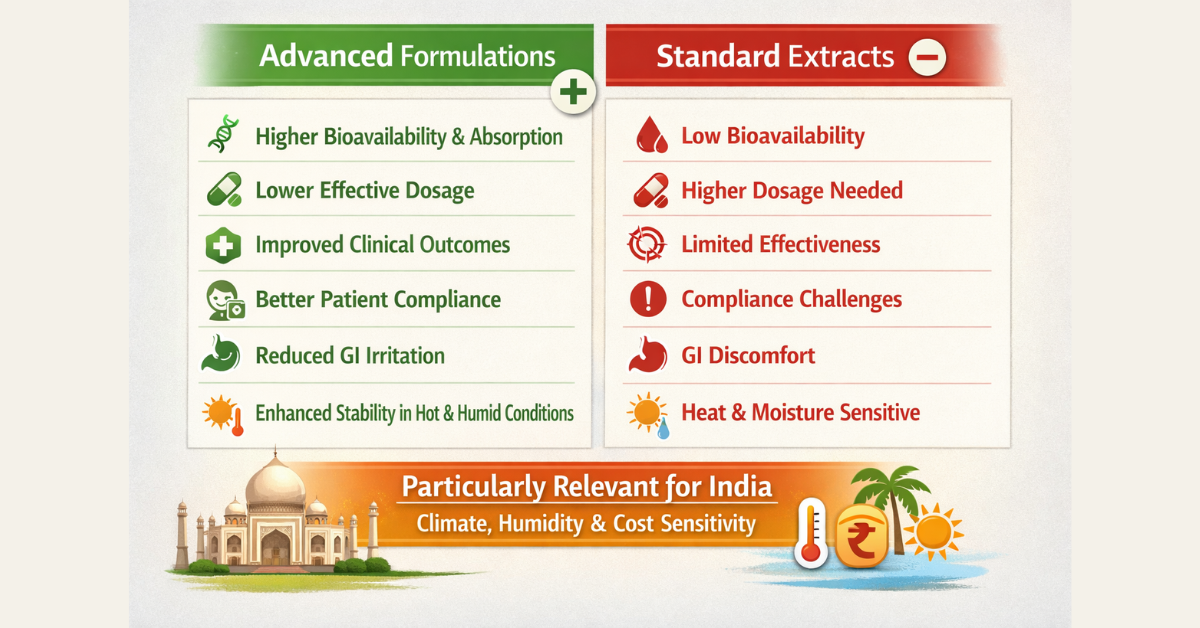
Advantages of Advanced Formulations Over Standard Extracts
- Higher bioavailability and absorption
- Lower effective dosage
- Improved clinical outcomes
- Better patient compliance
- Reduced gastrointestinal irritation
- Enhanced stability in tropical climates
These advantages are particularly relevant in countries like India where temperature, humidity, and cost sensitivity influence supplement effectiveness and adherence.
Safety Profile and Tolerability
Both curcumin and resveratrol have excellent safety records when used appropriately.
Common considerations:
- Mild gastrointestinal discomfort possible at high doses
- Drug interactions (especially anticoagulants) should be monitored
- Quality formulation selection is critical
Consultation with healthcare professionals is recommended for long-term therapeutic use.
Future Research Trends (2025 and Beyond)
Key emerging areas include:
- Nano-delivery systems for improved targeting
- Combination phytoceuticals for chronic disease management
- Personalized nutraceutical strategies
- Integration with physiotherapy and metabolic interventions
- Microbiome-focused inflammatory management
Ongoing clinical trials are evaluating liposomal combinations of curcumin and resveratrol for enhanced therapeutic impact.
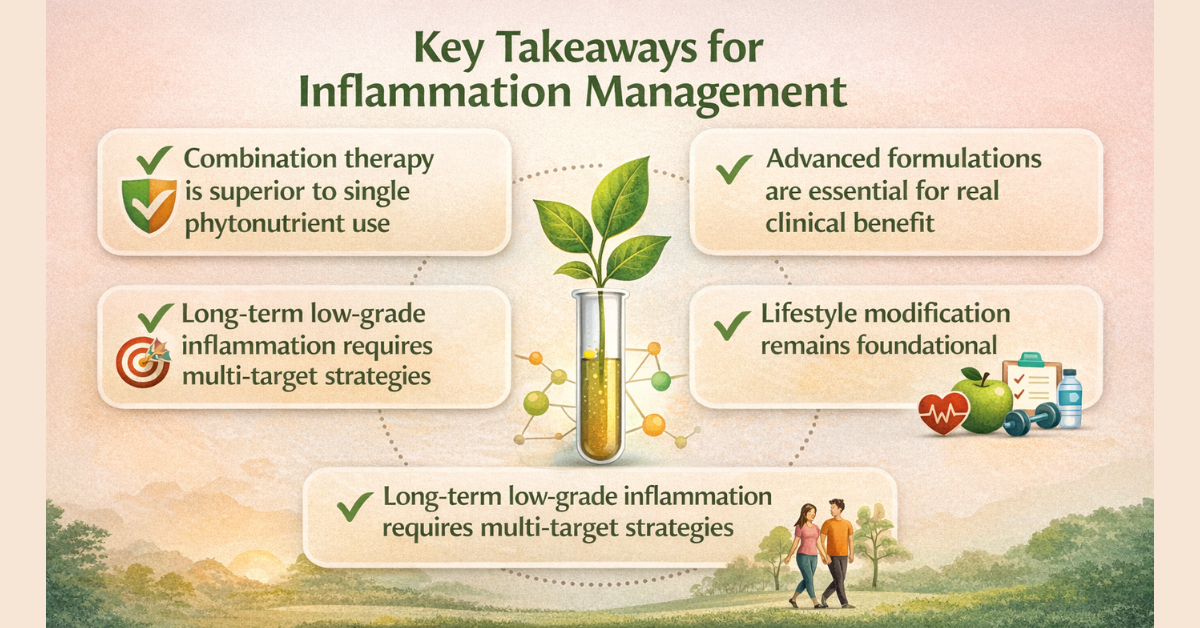
Practical Takeaways for Clinicians and Health Professionals
- Combination therapy is superior to single phytonutrient use
- Advanced formulations are essential for real clinical benefit
- Long-term low-grade inflammation requires multi-target strategies
- Lifestyle modification remains foundational
Conclusion
The combination of resveratrol and curcumin represents one of the most scientifically promising phytoceutical approaches for managing chronic low-grade inflammation.
Their complementary mechanisms, strong antioxidant capacity, metabolic benefits, and safety profile make them highly suitable for long-term health optimization.
However, formulation technology significantly influences effectiveness. Liposomal, micellar, and nano-delivery systems overcome traditional bioavailability barriers, translating promising laboratory findings into clinically meaningful outcomes.
As chronic inflammatory diseases continue to rise globally, evidence-based nutraceutical combinations like resveratrol and curcumin may play a vital role in preventive and integrative healthcare strategies.