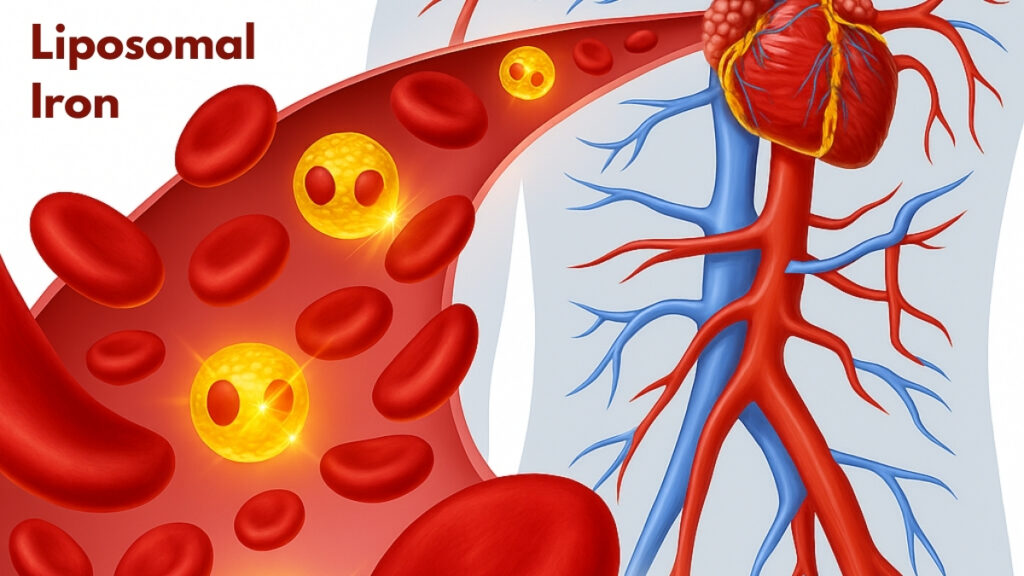
Vitamin D is no longer just the “vitamin for bones.” In the last ten years, research has shown that it also affects immunity, metabolic health, muscular function, and even mood. But the way you provide vitamin D is important. More and more research and therapeutic advice point to consistent daily doses of cholecalciferol (vitamin D₃) as better than the high, intermittent “bolus” dosages that many individuals utilise. Liposomal delivery technologies are also making it easier for the body to absorb nutrients, which is a major problem with oral supplements. Here’s a current, useful guide on the what, why, and how.
Daily vs bolus dosing: the evidence and the physiology
Many doctors and patients have utilised huge single dosages (like 100,000–600,000 IU) from time to time to swiftly “fix” deficient vitamin D. While this can increase serum 25(OH)D, randomised trials and reviews indicate significant drawbacks:
- Large bolus doses may be less successful in maintaining stable physiological levels of 25(OH)D and might induce temporary alterations in metabolites (such as increases in 24,25[OH]₂D) that may diminish long-term benefits. Some studies showed that large bolus dose didn’t lower the risk of falls or fractures, and in some cases, it rather raised the risk. A prevailing narrative asserts that “bolus is bogus” for several outcomes.
- Daily supplementation, on the other hand, gives vitamin D metabolism a regular supply of substrate and tends to make blood 25(OH)D levels more stable, with fewer spikes and a lower danger of overshoot. A recent analysis and various consensus statements advocate for daily or, at the very least, more frequent dosage for general prevention and for individuals who are at risk.
Physiology elucidates several aspects of this: Vitamin D dissolves in fat and is stored in adipose tissue. A continuous pool of substrate for conversion to 25(OH)D and, eventually, the active 1,25(OH)₂D is fed by repeated little doses. A very high single dosage, on the other hand, can be stored in fat or cause counter-regulatory metabolism.
D₃ (cholecalciferol) vs D₂ (ergocalciferol)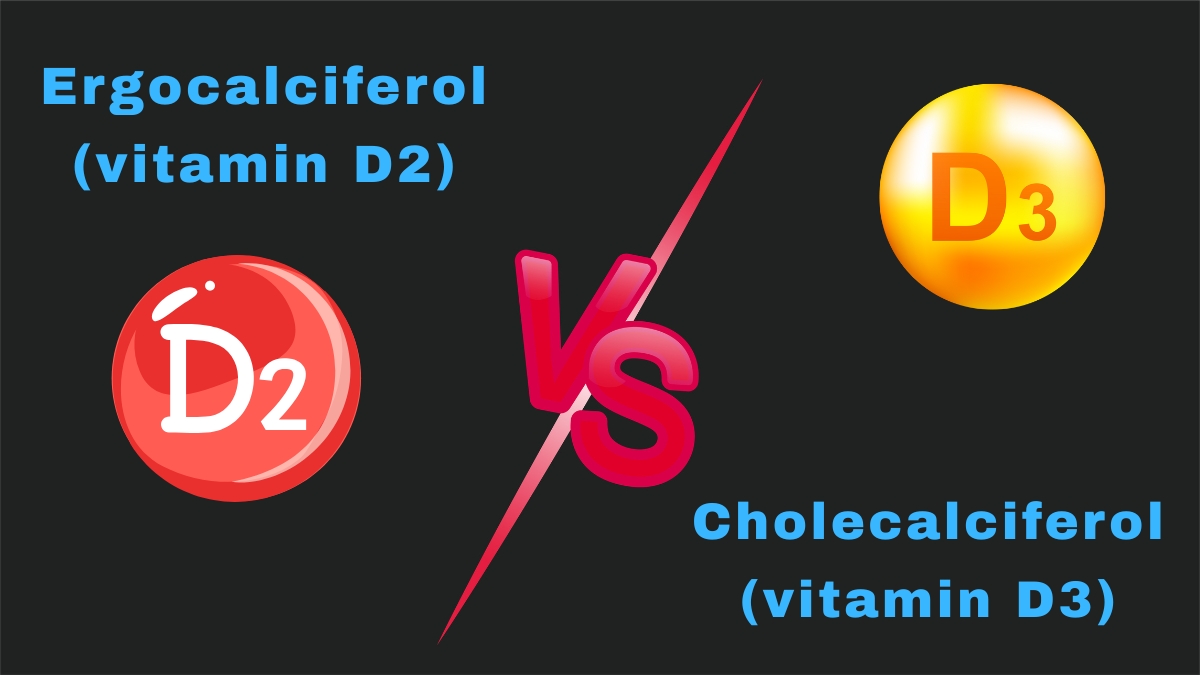
When it comes to boosting and keeping blood 25(OH)D levels, vitamin D₃ is usually better than D₂. Numerous studies and meta-analyses demonstrate that D₃ yields greater and longer prolonged elevations in 25(OH)D compared to similar IU doses of D₂. Cholecalciferol is the best choice for most supplementing regimens since it works well.
Liposomal Vitamin D₃: what it adds
Many vitamin D supplements that you take by mouth are oily solutions or pills. Liposomal formulations protect vitamin D by putting it within phospholipid vesicles (liposomes). This makes it easier for the body to absorb vitamin D through the intestines and cell membranes.
Preclinical and formulation research, along with certain human trials, indicate that liposomal vitamin D₃ can elevate blood 25(OH)D levels more rapidly and with enhanced absorption compared to conventional oil formulations. That implies faster repletion at lower dosages and better results for persons who have trouble absorbing nutrients or are overweight, when regular dosing may not work as well. Studies and evaluations of liposomal vitamin D formulations show that they are more bioavailable (see references below).
Warning:
Not all liposomal products are the same, even while formulation research is promising. When picking a liposomal product, make sure it has good data, has been tested by a third party, and is made in a clear way.
Who should prefer daily dosing?
For most persons who need continuing replacement or are at danger of quick changes or damage from bolus dose, daily dosing is the best option. These groups are:
- Older individuals (≥65 years) — less skin synthesis and less sun exposure; daily dose minimizes surges and is safer. Clinical guideline says that daily replacement should be based on the person’s baseline level and risk.
- Pregnant and breastfeeding woman — Pregnancy has particular calcium and vitamin D demands, and taking these every day helps keep the mother’s and baby’s bones healthy. National guidelines say that pregnancy is a group that needs special care. (For perinatal advice, see NIH ODS.)
- People who are overweight (BMI >30) — Adipose sequestration decreases circulating 25(OH)D; increased daily dose or liposomal formulations can enhance bioavailability.
- Malabsorption disorders / post-bariatric surgery – coeliac disease, Crohn’s disease, and bariatric surgery make it harder for the body to absorb fat. Liposomal D₃ and daily replenishment are better options.
- Chronic kidney disease (CKD) or liver illness – changes in how vitamin D is used in the body sometimes mean that each person needs a continuous dose (with help from a professional).
- People who take drugs that speed up vitamin D metabolism (such certain antiepileptics and rifampicin) should take their doses at the same time every day to prevent troughs.
- People who live in institutions or don’t get much sun, including nursing homes, shift workers, or people who live at high latitudes in the winter.
Those who are on long-term treatment to protect their bones or who are at high risk of breaking bones—many standards recommend constant daily repletion as needed.
When bolus dosing has a role — and how daily dosing complements it
Bolus (large single) dosages still have useful applications:
- Quick repletion when fast correction is needed for clinical reasons (such severe deficiency with symptomatic osteomalacia) or when adherence is a big problem.
- Short-term catch-up in places where resources are limited and follow-up is not definite.
But it’s still a good idea to go to daily dose (or regular maintenance dosing) even if you utilise a bolus to catch up. Why?’ - Daily dosage keeps levels steady and fills the physiological gap where vitamin D metabolites are always being broken down and rebuilt. • It avoids the metabolic counter-responses and possible temporary overshoot/undershoot that can happen after heavy doses. Why a controlled bolus followed by daily liposomal D₃ can quickly replenish and keep levels consistent. This is a practical mix that many clinics adopt. Evidence reviews suggest daily maintenance following repletion for the majority of patients.
Practical dosing guidance (safe, evidence-based)
- For most individuals, routine maintenance is 600–800 IU/day (15–20 µg), which is in line with the advice of major organisations (IOM/National Academies, Endocrine Society advisory document).
- Adults at risk (older, obese, malabsorption): Many doctors provide 1,000 to 2,000 IU/day, or a greater dose dependent on the patient’s 25(OH)D level, and only under supervision. Some guideline panels and reviews talk about safely taking 2,000 to 4,000 IU/day for repletion in certain situations. The upper limit for most individuals is 4,000 IU per day, unless they are being watched.
- Profound deficiency (e.g., 25[OH]D <10–12 ng/mL): supervised repletion may involve greater daily doses (e.g., 2,000–6,000 IU/day) or brief supervised boluses, followed by a transition to maintenance. Recent systematic studies and consensus statements advocate for smaller, more frequent dosage instead of repeated big boluses to ensure safety and consistent outcomes.
Important safety note: For most individuals, the upper limit of intake (UL) is 4,000 IU/day. If you go beyond that, you should be under clinical supervision and have frequent blood tests (serum 25[OH]D and calcium).
Liposomal D₃ in practice: pros and cons
Pros
1.Better early absorption, which is useful for those who need to fix things sooner or have trouble absorbing things.
2.Possible to utilise lower dosages with the same serum response (which might mean fewer side effects).
3.Better consistency for people whose GI absorption is unpredictable or who have a lot of fat.
Warnings
1.The quality of the product varies, so ask for information on the size of the liposomes, the source of the phospholipids, third-party testing, and research on how well the product works in humans.
2.The price is usually more than that of regular D₃ oils or pills.
3.There aren’t many clinical outcome trials that directly compare liposomal D₃ to conventional D₃ for hard endpoints like fractures and death; much of the information is based on pharmacokinetics or surrogate endpoints. Use with reasonable expectations.
Quick practical algorithms clinicians and patients can use
- Screen and treat when necessary: only test 25(OH)D in high-risk groups or those with symptoms; otherwise, follow population recommendations for regular supplementation.
- If you don’t have enough (<20 ng/mL), think about supervised repletion (daily liposomal D₃ 2,000–4,000 IU or a brief monitored bolus) followed by maintenance (600–2,000 IU/day, depending on risk).
- If you are at risk (old, overweight, or have trouble absorbing nutrients), think about starting a daily D₃ regimen of 1,000 to 2,000 IU. Liposomal D₃ is a suitable choice if you are worried about absorption.
- If you’re on bolus repletion, switch to daily maintenance to keep your 25(OH)D levels steady and avoid big changes.
Conclusion
Vitamin D₃ is important for bone health and helps the immune system, muscles, and metabolism work properly. Current research and professional advice suggest that most target populations, especially older individuals, pregnant women, persons with obesity or malabsorption, and those at high risk, should take their medicine every day (or at least regularly, not all at once). Liposomal vitamin D₃ is a good choice if you want to absorb it better or if you want to see faster, more stable rises in 25(OH)D. However, the quality of the product is important.
Daily dose should be the main part of your vitamin D plan. A supervised bolus followed by daily liposomal maintenance is the best way to get both quick repletion and steady, safe maintenance when a quick fix is needed.