Introduction: India’s Supplement Paradox
India is one of the fastest‑growing nutraceutical markets globally. Vitamins, minerals, amino acids, antioxidants, and herbal supplements are consumed daily by millions of people—patients, athletes, elderly individuals, and even children. Yet, despite this widespread usage, clinical outcomes remain inconsistent and unpredictable.
Doctors frequently encounter patients who have:
- Taken iron supplements for months but remain anemic
- Used vitamin D regularly without achieving target serum levels
- Consumed antioxidants without measurable improvement in inflammation or fatigue
This paradox raises an uncomfortable but necessary question:
Is the problem really the ingredient—or is it the way the ingredient is delivered?
Modern nutritional science increasingly points to one answer: bioavailability.
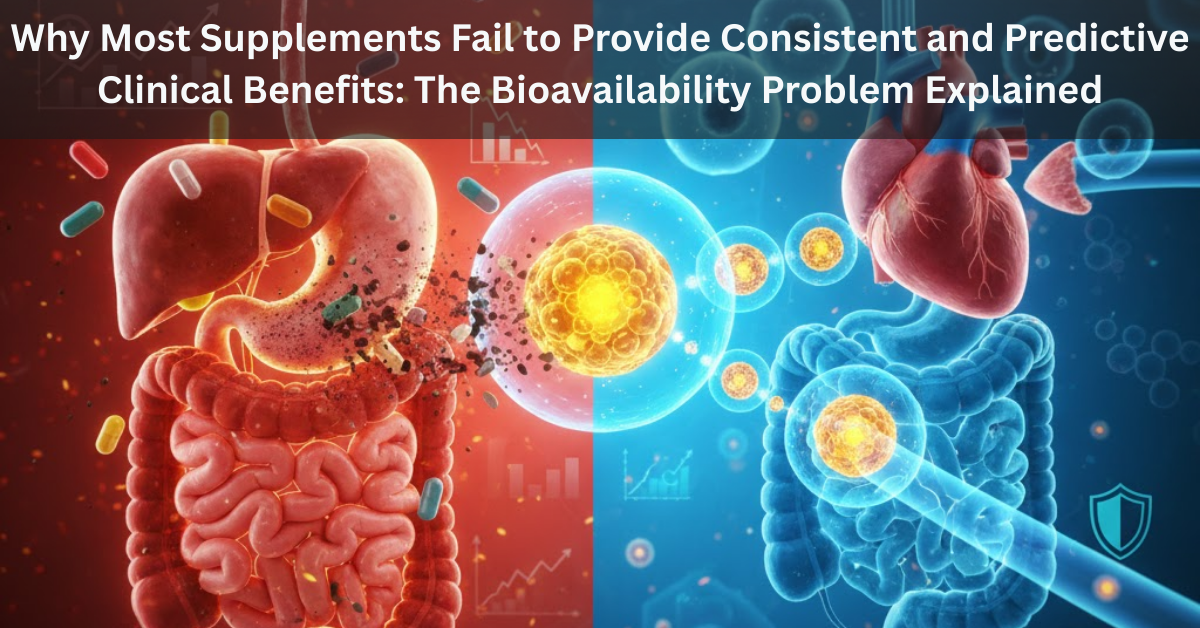
The Basis of Supplements: Where Pharmacology Meets Nutrition
From a pharmacological perspective, most nutraceuticals face inherent challenges. Unlike drugs, they are often:
- Poorly water‑soluble
- Chemically unstable in gastric acid
- Rapidly metabolized
- Dependent on compromised gut physiology
Let us consider common, widely used examples:
- Iron salts: low absorption, high gastrointestinal irritation
- Curcumin: potent anti‑inflammatory, but negligible oral bioavailability
- Vitamin D3: fat‑soluble, unpredictable absorption in obesity and gut disorders
- Magnesium salts: poor tolerance, diarrhea at higher doses
- Glutathione: degraded before systemic absorption
- Resveratrol: rapidly metabolized, short plasma half‑life
To compensate, formulations often rely on higher doses, which increases:
- Cost
- Side effects
- Poor compliance
As Dr Sundar, Head of R&D at Precimax, explains:
“Many nutraceuticals fail not because the science is weak, but because the delivery system cannot match the pharmacological intent of the molecule.”
What Does “Bioavailability” Really Mean?
In simple terms, bioavailability refers to how much of a consumed nutrient actually reaches systemic circulation and target tissues in an active form.
Scientifically, it includes:
- Stability in the digestive tract
- Efficiency of intestinal absorption
- Avoidance of first‑pass metabolism
- Cellular uptake and retention
Two people may take the same supplement at the same dose—and yet achieve vastly different outcomes—because bioavailability is influenced by:
- Gut health
- Inflammation
- Age
- Body fat distribution
- Diet composition
This explains why “one‑size‑fits‑all” supplementation often fails in real‑world clinical practice.
Indian Diet & Gut Factors That Block Absorption
Several India‑specific factors further compromise supplement effectiveness:
- High phytate content from cereals and legumes
- Polyphenols from tea and coffee consumed with meals
- Widespread gut dysbiosis due to recurrent infections and antibiotics
- Chronic low‑grade inflammation
- Central obesity affecting fat‑soluble vitamin absorption
These factors do not reduce intake—they reduce utilization.
Short‑Term Supplement Use & the Poly‑Vitamin Problem
Another common issue is short‑duration supplementation. Nutrients involved in:
- Bone metabolism
- Mitochondrial health
- Inflammation control
require sustained therapeutic levels, not sporadic intake.
Additionally, poly‑vitamin formulations often:
- Combine dozens of ingredients
- Provide sub‑therapeutic doses
- Mask poor absorption with “label appeal”
Clinical correction is rarely achieved through such approaches.
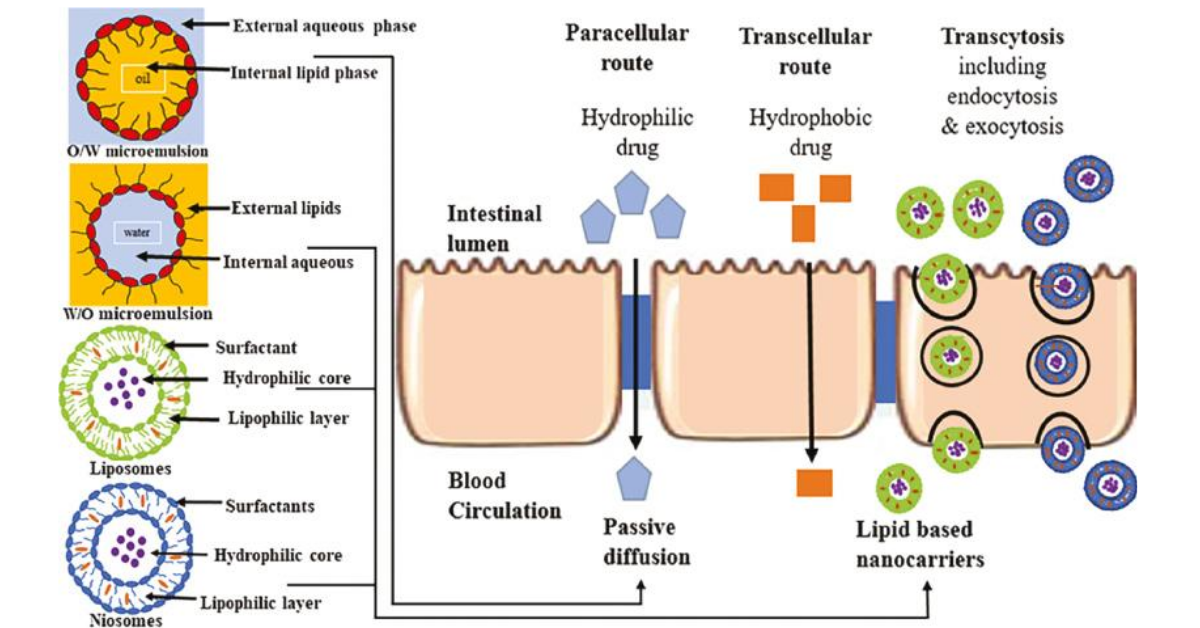
Why Conventional Tablets & Capsules Fail
Traditional tablets and capsules depend on:
- Disintegration
- Dissolution
- Passive absorption
In compromised gut conditions, this process is unreliable. Tablets may pass unabsorbed, while capsules may release actives too early, exposing them to acid degradation.
As Dr Sundar notes:
“Formulation science must adapt to physiology, not the other way around.”
OTCisation of Supplements: More Marketing, Less Medicine
The nutraceutical market has seen a surge in:
- Gummies
- Effervescents
- Oral sprays
- Flavored liquids
While attractive, these formats often introduce:
- Added sugars
- Artificial sweeteners
- Binders and stabilizers
Most lack robust clinical validation and may compromise metabolic health—especially in diabetics and children.
Liposomal & Advanced Delivery Systems Explained
Liposomal delivery systems encapsulate nutrients within phospholipid bilayers, structurally similar to human cell membranes.
This offers:
- Protection from gastric degradation
- Enhanced intestinal and lymphatic absorption
- Improved cellular uptake
- Reduced gastrointestinal irritation
Safety, Cost & Benefit Perspective
While liposomal formulations may appear costlier per unit, they often:
- Require lower doses
- Improve adherence
- Deliver predictable outcomes
According to Dr Sundar:
“When you calculate cost per clinical outcome—not cost per tablet—advanced delivery systems often prove more economical.”
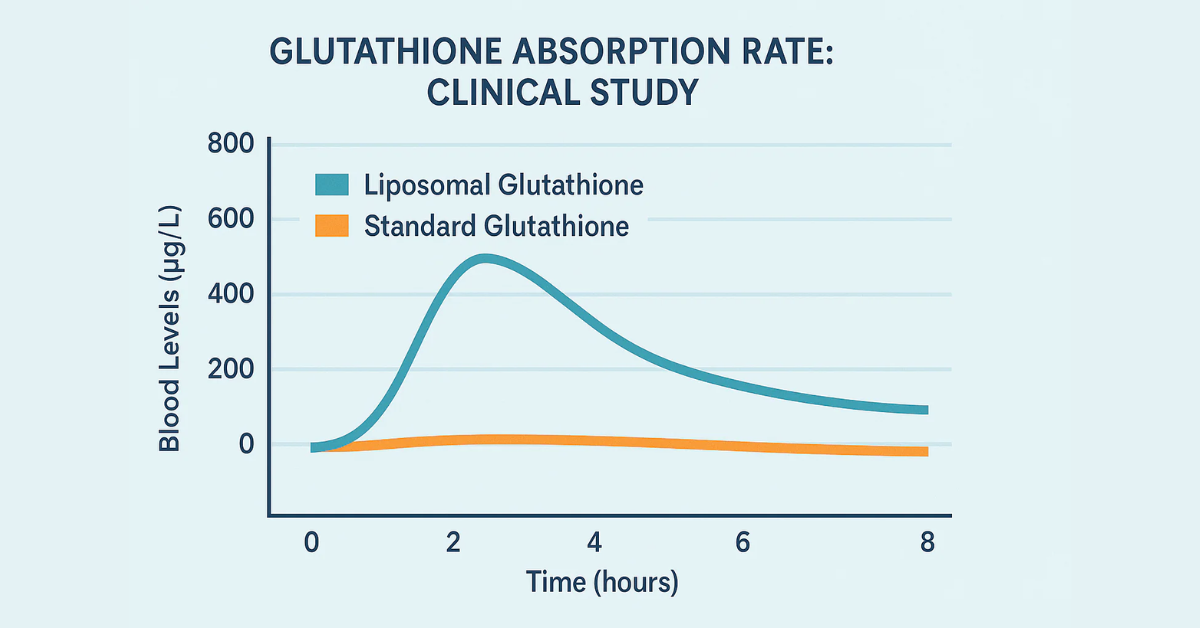
Evidence: Better Absorption Leads to Better Outcomes
Clinical studies consistently demonstrate that enhanced bioavailability translates into improved therapeutic effects, especially in chronic conditions requiring long‑term modulation rather than acute intervention.
Key Clinical Examples
Iron
Conventional iron salts cause nausea, constipation, and poor compliance. Liposomal iron (Precifer) bypasses direct mucosal contact, improving absorption and tolerability.
Vitamin D3
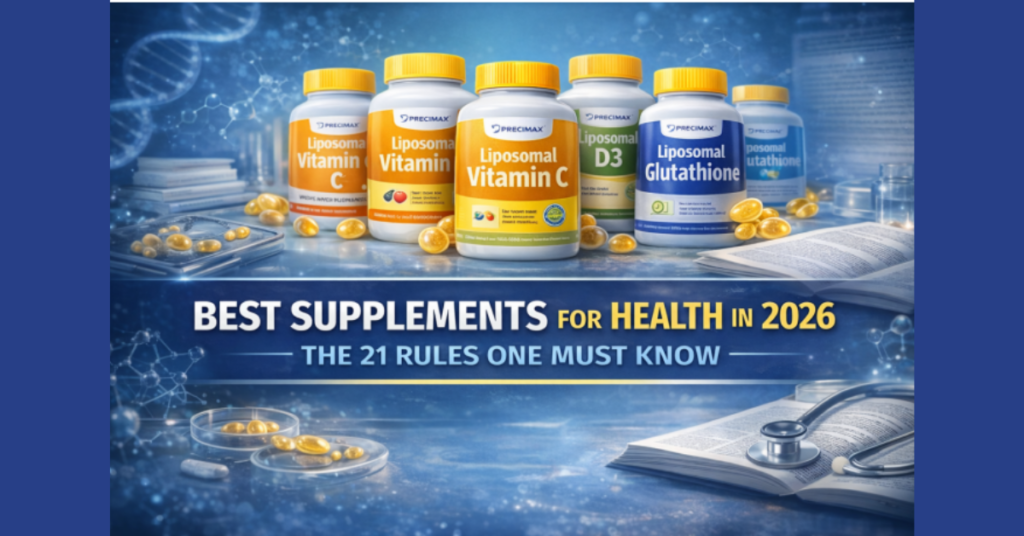
Serum correction with standard vitamin D is unpredictable. Precimax Liposomal Vitamin D3 achieves more consistent serum levels, especially in obesity and inflammatory states.
Magnesium
Traditional salts often cause diarrhea. Precimax Liposomal Mgd3 (Magnesium + D3 + K2‑7) improves intracellular availability with better tolerance.
Curcumin
Poorly absorbed in native form. Micellar curcumin (Cucimax) achieves clinically relevant plasma levels at lower doses, supporting inflammation control.
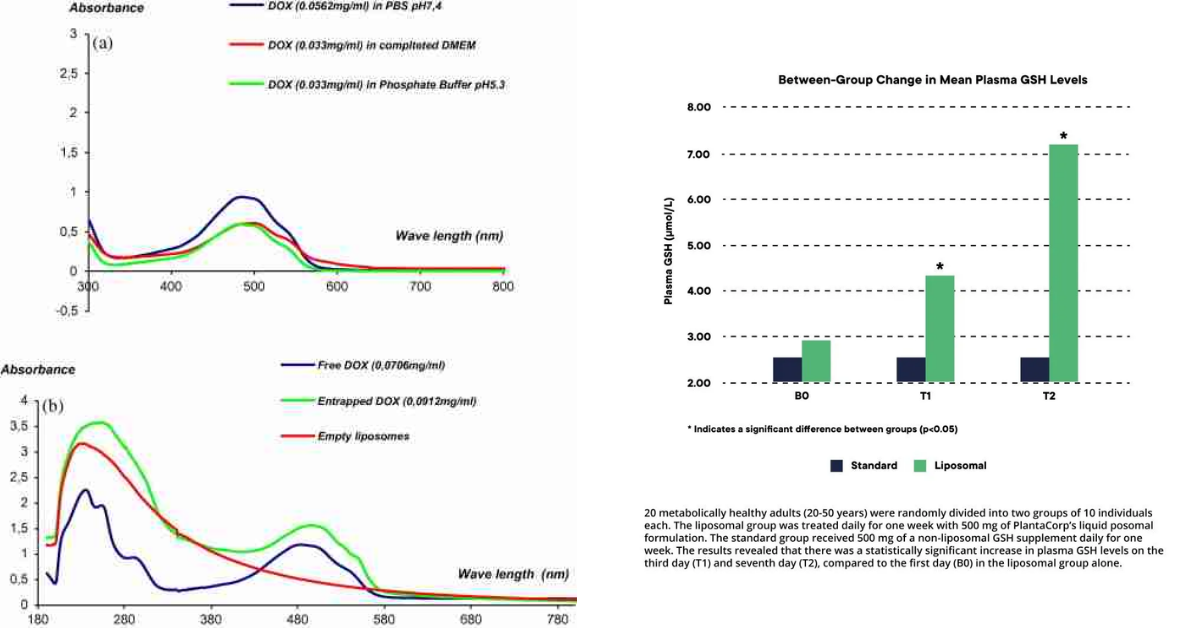
Glutathione
Oral glutathione is unstable. Liposomal glutathione (Preciglow) improves systemic antioxidant status.
Resveratrol
Rapidly metabolized. Precimax Liposomal Resveratrol enhances plasma persistence and tissue exposure.
Vitamin C
High doses often cause GI discomfort. Liposomal vitamin C improves absorption and antioxidant capacity.
Melatonin
Improved bioavailability allows effective circadian regulation at lower doses.
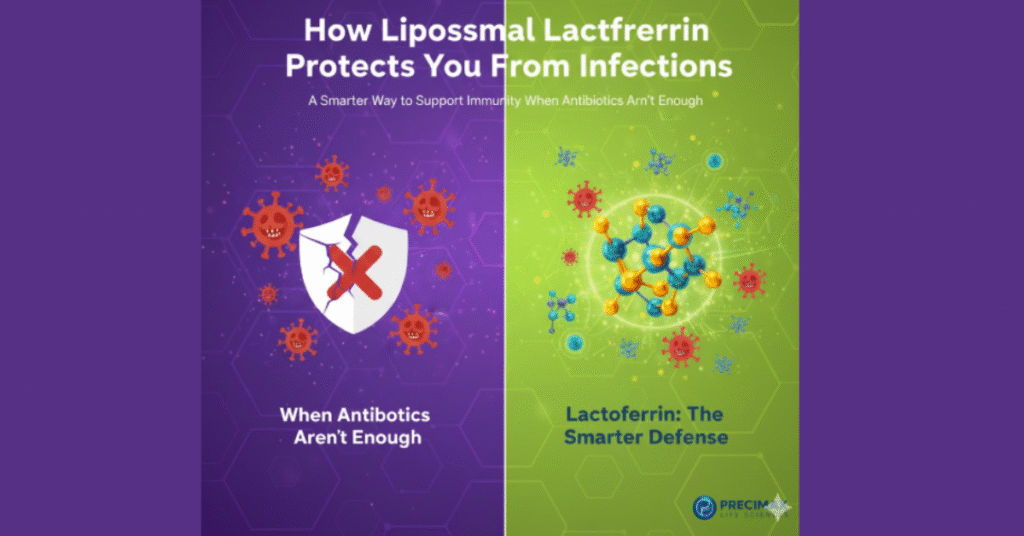
Lactoferrin
Liposomal lactoferrin (LF‑Max) supports immune modulation and iron utilization without irritation.
CoQ10
Liposomal CoQ10 improves mitochondrial delivery and cardiovascular support.
When Do Liposomal Forms Matter Most?
- Chronic inflammatory conditions
- Poor responders to conventional supplements
- Elderly patients
- Central obesity and metabolic syndrome
- Long‑term preventive protocols
Are Advanced Formulations Worth the Cost?
From a purely commercial lens, they may appear expensive. From a clinical and economic outcome lens, they often:
- Reduce treatment duration
- Improve adherence
- Lower complication risk
As Dr Sundar summarizes:
“Precision nutrition is not about adding more—it’s about delivering better.”
The Future of Nutraceuticals in Indian Clinical Practice
Indian healthcare is gradually shifting from:
- Quantity → Quality
- Symptom relief → Disease modulation
- Ingredient marketing → Delivery science
Formulation‑first nutraceuticals are likely to become central to evidence‑based preventive and functional medicine.
Clinical decision flow for selecting advanced nutraceuticals
Expert Reference: Dr Sundar, Head – R&D, Precimax Life Sciences
Conclusion: From Ingredients to Outcomes
Most supplements fail not because they lack evidence, but because their delivery systems fail the biology.
Liposomal and advanced delivery technologies bridge the gap between scientific promise and clinical reality—transforming supplements into reliable therapeutic tools.
Frequently Asked Questions
Why do many supplements not show expected benefits?
Because poor bioavailability prevents active ingredients from reaching target tissues.What is bioavailability in simple terms?
It is the proportion of a nutrient that actually enters circulation and becomes usable.Are higher doses always better?
No. Higher doses often increase side effects without improving absorption.Why do iron supplements cause stomach problems?
Direct mucosal irritation and poor absorption are key reasons.How do liposomal supplements improve absorption?
They protect nutrients and enhance cellular uptake.Are liposomal supplements safe?
Yes, when properly formulated and clinically guided.Are gummies and sprays clinically effective?
Most lack robust clinical evidence and add unnecessary excipients.Do poly‑vitamins work?
They help maintenance but rarely correct deficiencies.Is gut health important for supplements?
Yes, absorption depends heavily on gut integrity.Can liposomal forms reduce side effects?
Often yes, due to lower required doses.Are liposomal supplements suitable for elderly patients?
Yes, especially where absorption is compromised.Do they cost more?
Per unit yes, per outcome often no.Can they replace medicines?
No, they complement medical therapy.How long should supplements be taken?
Depends on the condition and biomarker response.Are liposomal antioxidants better?
They show improved systemic availability.Do they improve compliance?
Yes, due to better tolerance.Are all liposomal products the same?
No, formulation quality matters.Can they help chronic diseases?
They support long‑term modulation, not cure.Are they evidence‑based?
High‑quality formulations are supported by clinical studies.Will advanced delivery become standard?
Clinical trends strongly suggest yes.