Introduction: The GLP‑1 Era Has Changed Weight Loss and Metabolic Care Forever
Over the last two years, India has entered a new metabolic medicine era driven by GLP‑1 receptor agonists such as:
- Semaglutide (Ozempic / Wegovy)
- Tirzepatide (Mounjaro)
These therapies are transforming obesity and diabetes management by:
✅ reducing appetite
✅ improving glycemic control
✅ enabling significant weight loss
✅ lowering cardiovascular risk
However, clinicians worldwide are now recognizing a second reality:
GLP‑1 medicines improve weight outcomes, but they also introduce new challenges: nutrient depletion, muscle loss, gut intolerance, and metabolic fatigue.
This is where evidence‑based liposomal nutraceuticals and advanced gut support strategies are becoming essential companions in modern care.
As Dr. Venkat Ramana (Metabolic Specialist) explains:
“GLP‑1 therapy is revolutionary, but the long‑term success depends on protecting lean muscle, gut function, micronutrient status, and mitochondrial energy.”
Why GLP‑1 Therapies Are Exploding in India
India’s obesity and metabolic syndrome burden is rapidly rising due to:
- sedentary lifestyle
- central obesity
- processed food intake
- sleep disruption
- insulin resistance
- early onset diabetes
GLP‑1 therapies provide powerful appetite regulation, but patients often report:
- nausea
- constipation
- fatigue
- reduced protein intake
- weakness during rapid weight loss
Thus, the GLP‑1 era requires supportive precision nutrition, not just injections.
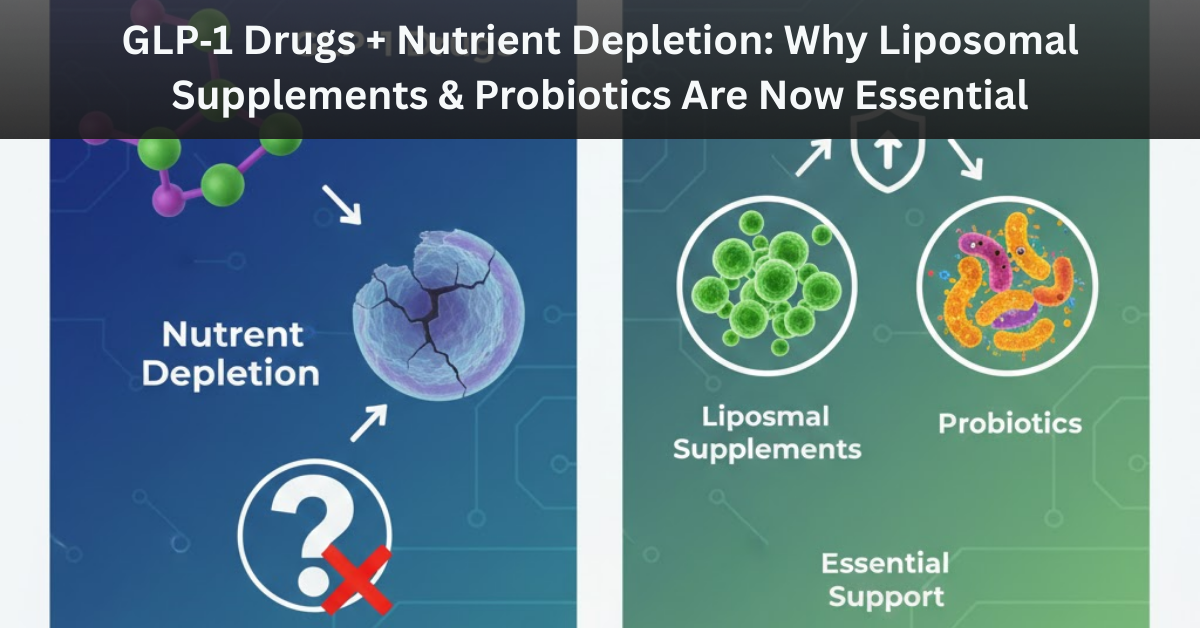
The Hidden Problem: GLP‑1–Induced Nutrient Depletion
Rapid weight loss can unintentionally lead to:
Reduced intake of essential nutrients
Patients eat less overall, including:
Reduced absorption due to slowed gastric emptying
GLP‑1 drugs delay gastric motility, worsening:
- constipation
- bloating
- micronutrient uptake variability
Higher risk of lean muscle loss
This is one of the most concerning complications:
Weight loss without muscle preservation accelerates frailty, fatigue, and rebound relapse.
Dr. Jeethan (Anti‑Aging Medicine Specialist, Pune) notes:
“In longevity medicine, we emphasize that muscle is metabolic currency. GLP‑1 weight loss must never become muscle loss.”
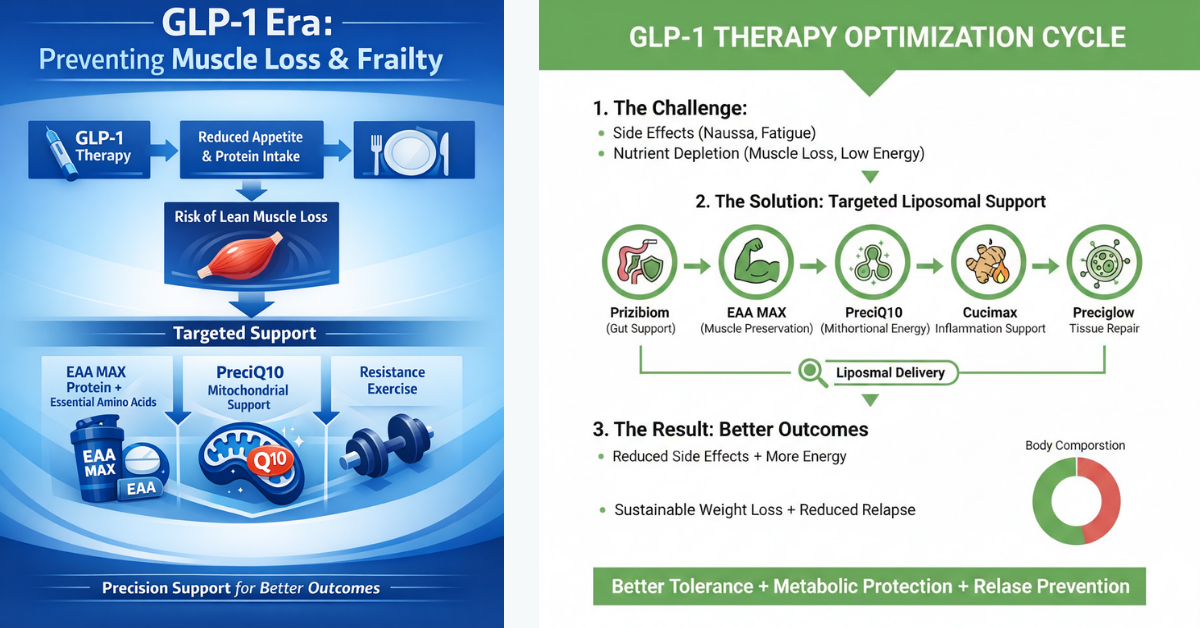
Major Side Effects Where Precision Support Matters
Common GLP‑1 Challenges
| Side Effect | Clinical Impact |
|---|---|
| Nausea | Poor adherence |
| Constipation | Reduced quality of life |
| Nutrient depletion | Weakness, fatigue |
| Muscle loss | Frailty, metabolic slowdown |
| Oxidative stress | Accelerated aging biology |
This creates a strong unmet need: GLP‑1 success requires gut + muscle + mitochondrial + antioxidant support.
Why Liposomal Supplements Are Ideal in GLP‑1 Patients
Traditional OTC supplements often fail because:
- absorption is inconsistent
- higher doses cause GI irritation
- patients already have digestive intolerance
Liposomal delivery offers:
✅ higher bioavailability
✅ lower dose effectiveness
✅ better tolerability
✅ improved cellular uptake
Dr. Shivaramakrishna (Regenerative Medicine Specialist, Hyderabad) states:
“In regenerative protocols, we focus on delivery science. Liposomal formulations are better suited for metabolically compromised patients, especially in GLP‑1 therapy.”
Evidence‑Based Precimax Integration Protocols
Protocol 1: Gut Comfort + Side Effect Reduction
Prizibiom (High‑Strength Probiotic)
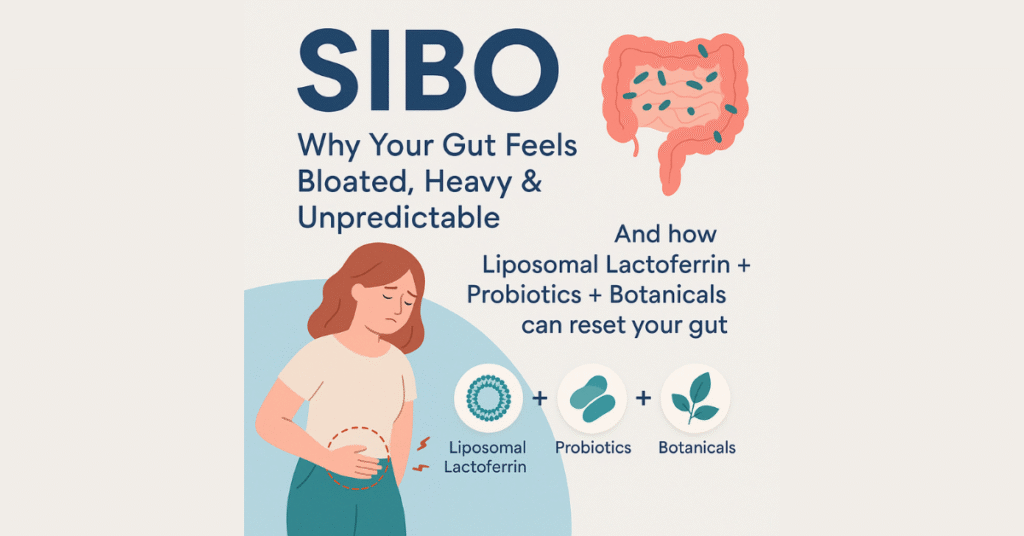
GLP‑1 drugs often worsen dysbiosis and constipation.
Prizibiom supports:
- microbiome balance
- gut comfort
- improved nutrient absorption
- reduced bloating
Clinical use:
Best started within the first 2 weeks of GLP‑1 initiation.
Protocol 2: Preventing Muscle Loss During Rapid Weight Loss
EAA MAX (High Protein + Essential Amino Acid Medical Meal)
A major GLP‑1 complication is lean mass reduction.
EAA MAX helps:
- preserve skeletal muscle
- support rehabilitation
- prevent frailty
- improve recovery after weight loss
Dr. Jeethan adds:
“Protein + essential amino acids are mandatory alongside GLP‑1, otherwise weight loss becomes accelerated aging.”
Protocol 3: Fighting Metabolic Fatigue + Mitochondrial Stress
PreciQ10 (Liposomal CoQ10)
CoQ10 is essential for mitochondrial ATP production.
During rapid metabolic shifts, many patients experience:
- fatigue
- weakness
- reduced exercise tolerance
Liposomal CoQ10 supports:
- cellular energy output
- endurance
- cardiac mitochondrial resilience
Protocol 4: Inflammation and Residual Metabolic Risk Reduction
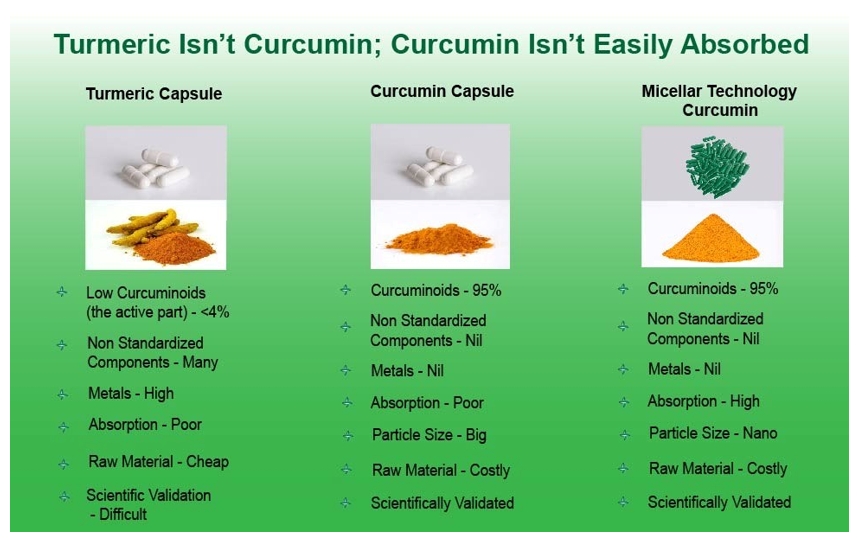
Cucimax (Liposomal Curcumin)
Even with weight loss, metabolic inflammation may persist.
Curcumin is clinically linked to:
- reduced cytokines
- endothelial support
- oxidative stress reduction
- improved metabolic resilience
Liposomal Cucimax provides superior absorption compared to regular curcumin.
Protocol 5: Antioxidant + Longevity Protection During Weight Loss
Preciglow (Liposomal Glutathione)
Rapid fat loss releases oxidative burden.
Preciglow supports:
- systemic antioxidant restoration
- detoxification pathways
- immune resilience
- skin and recovery quality
Dr. Shivaramakrishna notes:
“Weight loss is not just calorie loss — it is oxidative remodeling. Antioxidant protection is essential for long‑term outcomes.”
Protocol 6: Structured Meal Replacement for Long‑Term Success
Maxlite Meal Replacement
To avoid rebound weight regain, patients need structured nutrition.
Maxlite supports:
- controlled calorie intake
- metabolic meal planning
- hypertension improvement
- sustainable adherence
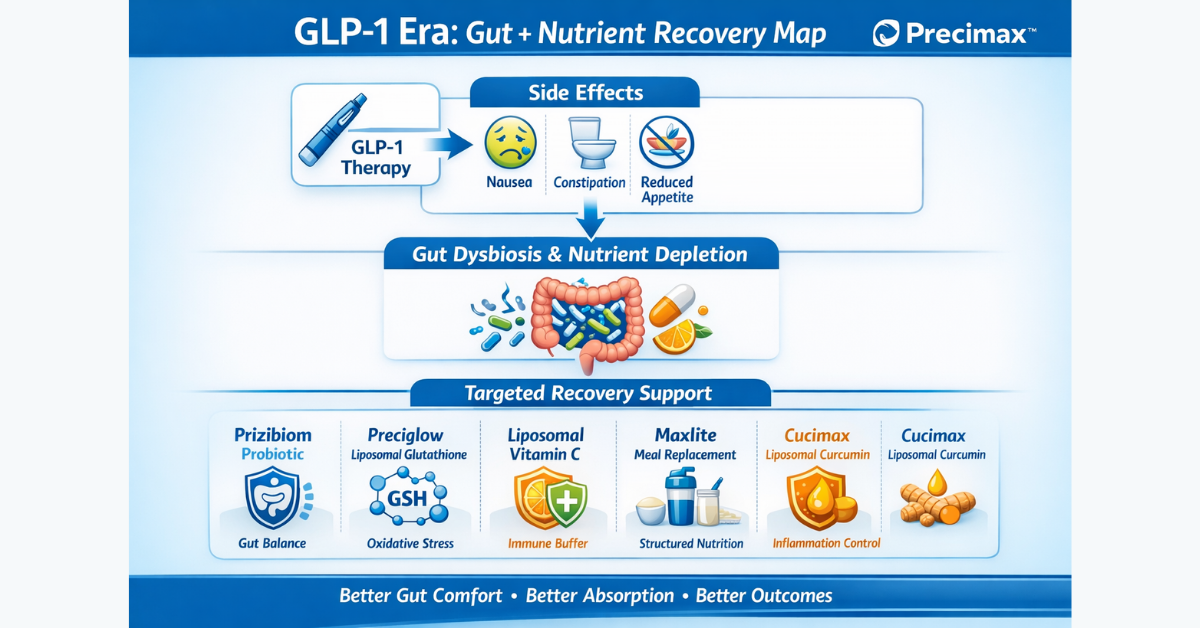
GLP‑1 Patients – Regular vs Liposomal Support
| Need in GLP‑1 Era | Regular Supplements | Liposomal Evidence‑Based Support |
|---|---|---|
| Absorption | Poor with GI intolerance | High, predictable |
| Dose required | Higher → side effects | Lower → better adherence |
| Muscle preservation | Limited | EAA MAX structured recovery |
| Oxidative stress protection | Weak consistency | Preciglow + Cucimax effective |
| Gut tolerance | Variable | Prizibiom improves comfort |
Conclusion: The Future of GLP‑1 Success Is Precision Support
GLP‑1 therapies are transforming obesity care, but long‑term outcomes depend on addressing:
- gut health
- nutrient preservation
- muscle resilience
- mitochondrial energy
- oxidative stress control
Precimax’s evidence‑based formulations such as:
Prizibiom, EAA MAX, PreciQ10, Cucimax, Preciglow, and Maxlite
offer a modern adjunct strategy for better quality of life and reduced relapse.