What if the most dangerous fat in your body is not the fat you can pinch — but the fat silently surrounding your organs, influencing your metabolism, liver health, inflammation, and perhaps even the way your brain ages?
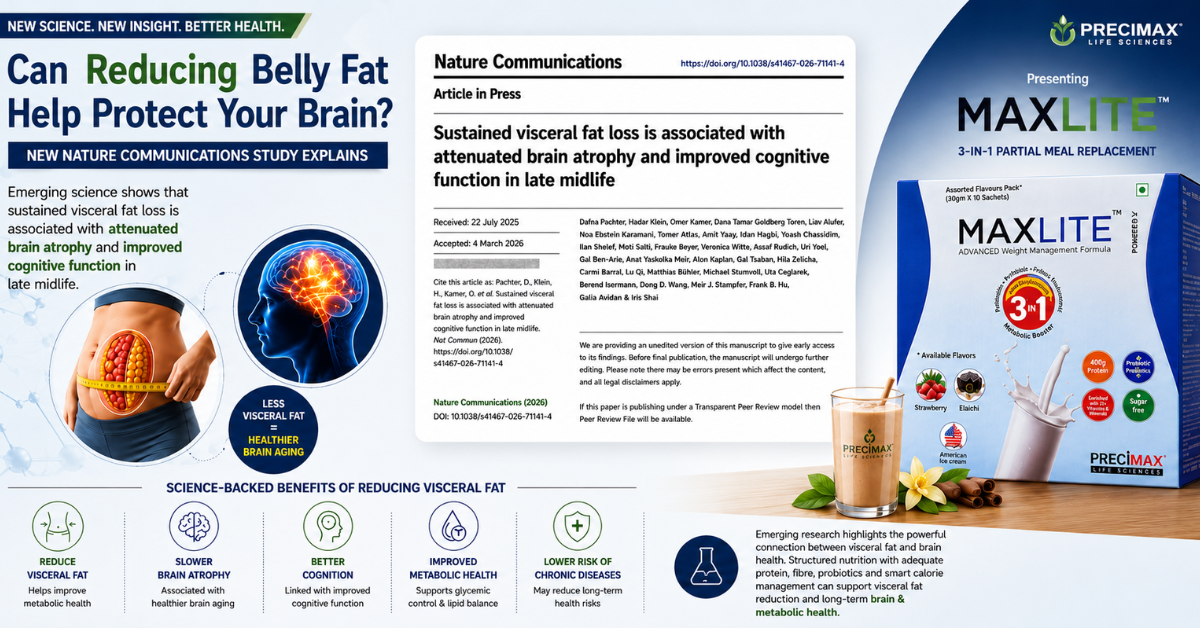
A recent publication in the prestigious journal Nature Communications
(https://www.nature.com/articles/s41467-026-71141-4_reference.pdfhas) drawn global attention after researchers reported that sustained visceral fat loss was associated with slower brain atrophy and improved cognitive function during late midlife.
In simple terms:
reducing deep belly fat may not only improve appearance or waist size — it may also support healthier brain aging.
This is particularly important for Indians, who often develop abdominal obesity, insulin resistance, fatty liver, and metabolic syndrome even without appearing “severely obese.” Experts frequently describe this as the “thin-fat Indian phenotype,” where dangerous visceral fat accumulates silently despite a relatively average body weight.
The findings are shifting the conversation from:
“weight loss for aesthetics”
to
“metabolic fitness for long-term health.”
This is where structured nutrition, scientifically designed meal replacement systems, protein adequacy, and sustainable lifestyle strategies become highly relevant.
What Exactly Is Belly Fat — And Why Is Visceral Fat Different?
Not all body fat behaves the same way.
Subcutaneous fat is the fat stored just under the skin. While excessive amounts may still affect health, it is visceral fat — the deep fat surrounding internal organs like the liver, pancreas, and intestines — that raises greater concern.
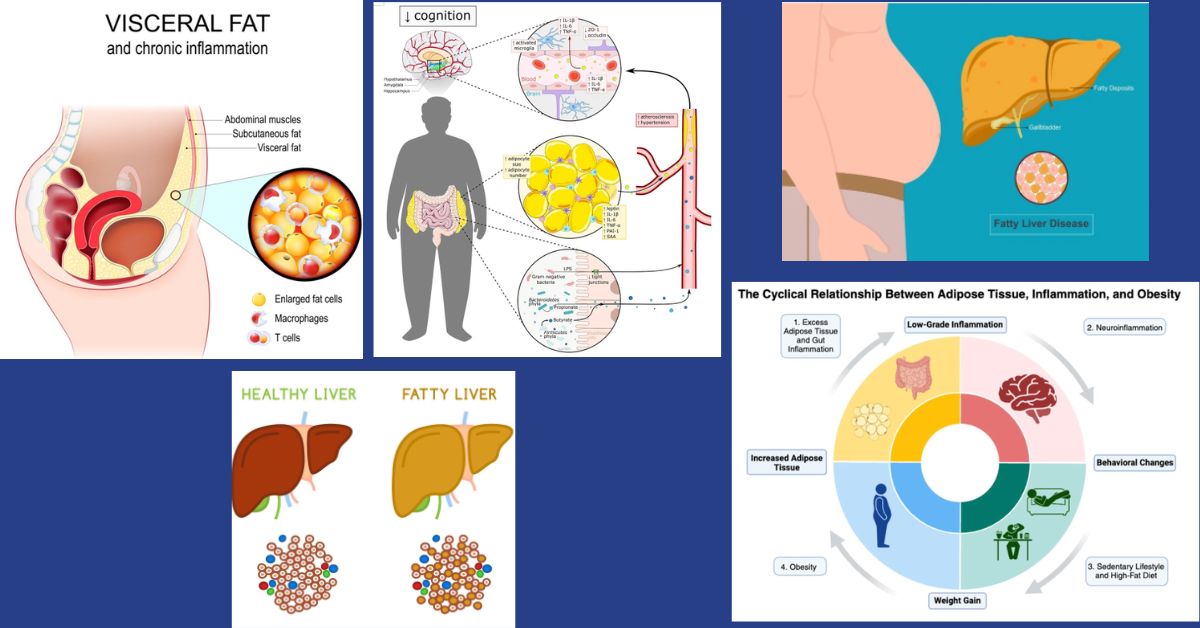
Unlike passive fat storage, visceral fat behaves like an active inflammatory organ. It releases inflammatory chemicals, stress hormones, and metabolic signals that can contribute to:
- insulin resistance
• chronic inflammation
• fatty liver disease
• elevated triglycerides
• high blood pressure
• cardiovascular risk
• cognitive decline
This explains why two people with similar body weight may have very different metabolic health.
A person with a normal-looking BMI may still carry dangerous levels of visceral fat.
The Nature Communications Study: Belly Fat and Brain Aging
The recent Nature Communications publication followed adults over several years and observed an important pattern:
Individuals who achieved sustained visceral fat reduction showed:
• less brain atrophy
• healthier cognitive performance
• better brain-aging outcomes
Interestingly, the study suggested that visceral fat reduction may matter more than simple scale weight reduction.
That is a major scientific shift.
For years, many people focused only on:
“how many kilos did I lose?”
But emerging evidence now suggests a better question may be:
“Did I improve my metabolic health and reduce harmful abdominal fat?”
The study also linked these benefits with improvements in glycemic control and metabolic function.
This supports the growing understanding that brain health and metabolic health are deeply interconnected.
Why Belly Fat May Accelerate “Inflammaging”
Scientists increasingly use the term “inflammaging” to describe chronic low-grade inflammation that accelerates aging processes inside the body.
Visceral fat is strongly associated with this phenomenon.
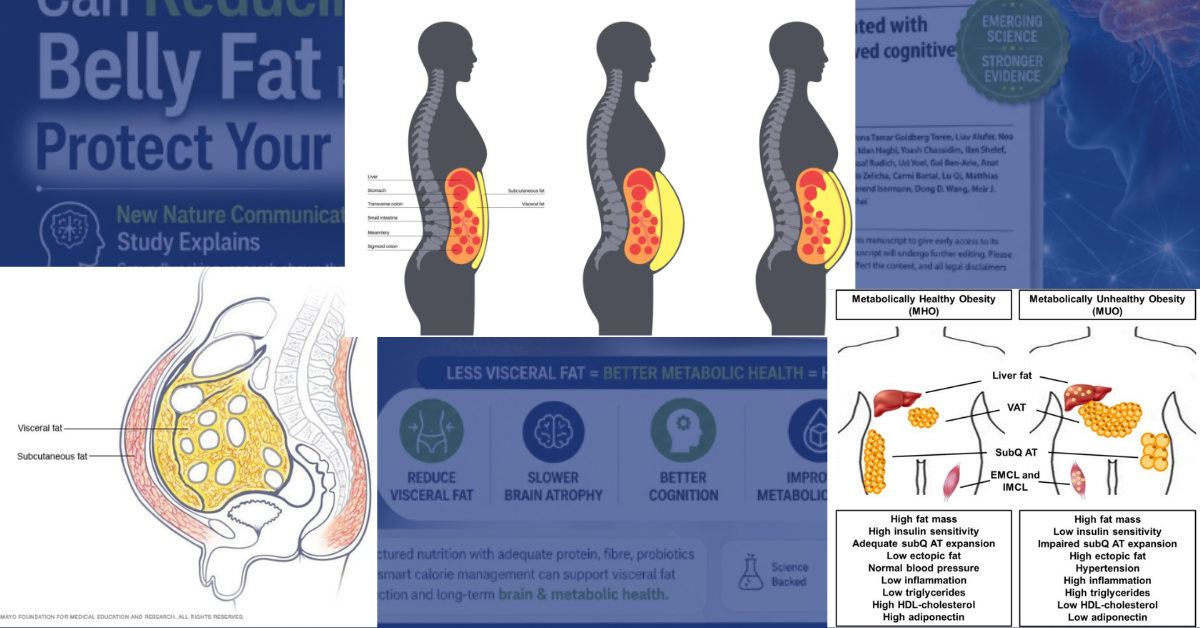
Excess visceral fat may increase inflammatory molecules such as:
• IL-6
• TNF-alpha
• CRP
Over time, this inflammatory environment may influence:
• fatigue
• reduced recovery
• joint discomfort
• insulin resistance
• vascular dysfunction
• accelerated biological aging
Researchers also believe chronic inflammation may influence brain structure and cognition over time.
This is why abdominal obesity is no longer viewed merely as a cosmetic concern.
It is increasingly considered a marker of metabolic stress.
Belly Fat, Insulin Resistance, and Metabolic Syndrome
One of the strongest links between visceral fat and long-term disease is insulin resistance.
When excess visceral fat accumulates, the body may gradually become less responsive to insulin. As a result:
• blood sugar rises
• fat storage increases
• energy crashes become common
• hunger signals worsen
Over time, this may progress toward metabolic syndrome.
Metabolic syndrome is a cluster of abnormalities including:
• increased waist circumference
• elevated blood sugar
• high triglycerides
• low HDL (“good cholesterol”)
• elevated blood pressure
Many Indians unknowingly fit this profile.
Common contributing factors include:
• sedentary work
• poor sleep
• high refined carbohydrate intake
• stress eating
• irregular meals
• low protein intake
The problem is not merely “being overweight.”
The bigger concern is becoming metabolically unhealthy.
Belly Fat and Fatty Liver Disease (NAFLD/MASLD)
Non-alcoholic fatty liver disease — now increasingly referred to as metabolic dysfunction-associated steatotic liver disease (MASLD) — has become extremely common in urban India.
Visceral fat and fatty liver are closely connected.
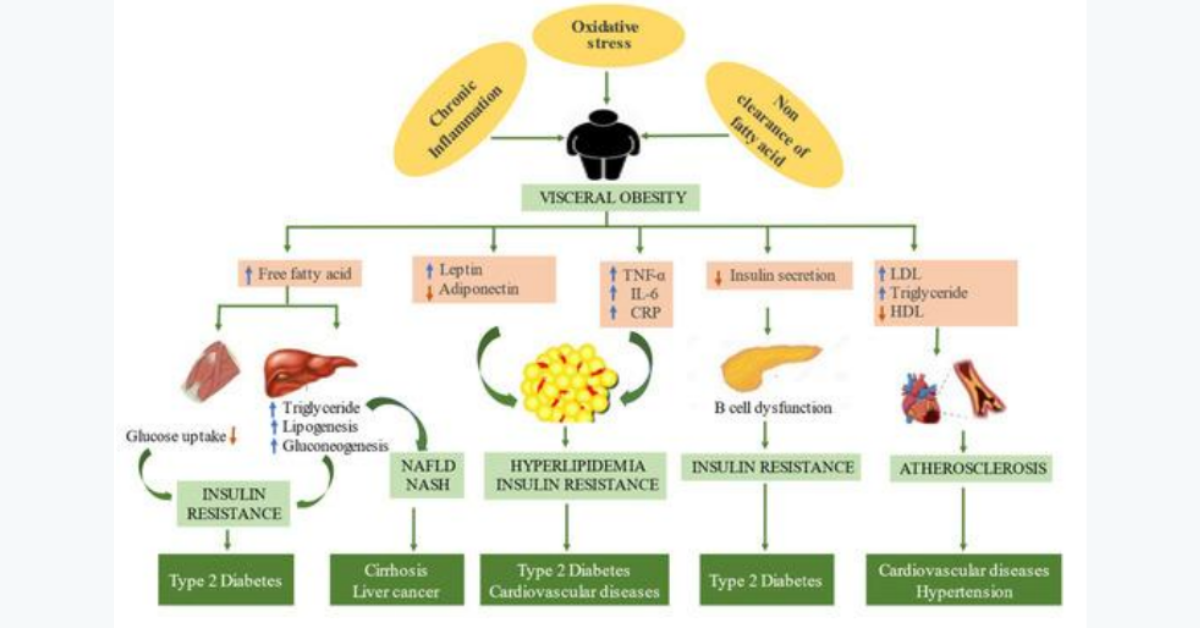
When excess fat accumulates around abdominal organs, fat can also begin accumulating inside the liver.
Possible warning signs include:
• central obesity
• elevated SGPT/ALT
• elevated triglycerides
• fatigue
• insulin resistance
Many individuals discover fatty liver only during routine scans.
Importantly, fatty liver is not just a liver issue.
It often reflects broader metabolic dysfunction occurring throughout the body.
Your Blood Tests May Reveal More Than Your Weight
Modern metabolic wellness is not just about checking body weight.
Several biochemical markers may provide clues about metabolic stress associated with visceral fat.
Common tests include:
Test | Why It Matters |
HbA1c | Reflects long-term blood sugar control |
Fasting insulin | May suggest insulin resistance |
Triglycerides | Often elevated in visceral obesity |
HDL cholesterol | Low HDL may indicate metabolic dysfunction |
hs-CRP | Marker of inflammation |
SGPT/ALT | May rise in fatty liver |
Vitamin D | Low levels commonly seen with obesity |
Vitamin B12 | Important for energy and neurological health |
Ferritin | Can reflect inflammation or iron imbalance |
Interestingly, some overweight individuals may simultaneously show:
• nutritional deficiencies
• inflammation
• poor metabolic markers
This creates the paradox:
“overfed but undernourished.”
Nutritional Deficiencies and Belly Fat: An Overlooked Connection
Many people assume belly fat develops only from excess calories.
But nutritional quality also matters enormously.
Emerging evidence suggests poor nutrient intake may worsen:
• cravings
• fatigue
• poor satiety
• metabolic imbalance
• muscle loss
• overeating patterns
Common nutritional gaps seen in modern lifestyles include:
• low protein intake
• inadequate fiber
• low vitamin D
• poor gut microbiome diversity
• inadequate magnesium intake
• excessive ultra-processed foods
This is especially relevant in India where meals may sometimes be:
• carbohydrate-heavy
• protein-poor
• fiber-deficient
As a result, many individuals may consume excess calories while still lacking optimal nutrition.
- Low protein intake can reduce satiety and muscle preservation.
- Low fiber intake may worsen hunger spikes and gut imbalance.
- Poor gut health may influence inflammation and metabolic regulation.
This is where structured nutritional planning becomes important.
Why Random Dieting Often Fails
Crash diets may initially reduce body weight quickly.
But many people experience:
• rebound weight gain
• intense cravings
• fatigue
• muscle loss
• poor long-term adherence
Extreme dieting is difficult to sustain in real life.
Long-term metabolic health usually requires:
• consistency
• nutritional adequacy
• satiety support
• realistic calorie management
This is one reason structured meal replacement systems have gained attention globally.
Practical Strategies to Reduce Visceral Fat
Reducing visceral fat usually requires sustainable metabolic improvements — not temporary starvation.
Evidence-based strategies include:
- Increase Protein Intake
Protein may help:
• improve satiety
• support muscle mass
• reduce overeating tendencies
- Improve Fiber Intake
Fiber supports:
• fullness
• gut microbiome health
• glycemic control
- Reduce Ultra-Processed Foods
Frequent intake of sugary and refined foods may worsen visceral fat accumulation.
- Walk After Meals
Post-meal walking may help improve glucose handling.
- Resistance Training
Muscle health is strongly connected to metabolic fitness.
- Improve Sleep
Poor sleep may worsen hunger hormones and insulin resistance.
- Manage Stress
Chronic stress and cortisol elevation may contribute to abdominal fat accumulation.
- Follow Structured Nutrition
Consistency often matters more than perfection
The Future of Weight Management Is About Metabolic Health
The new Nature Communications study reminds us that the conversation around belly fat is evolving rapidly.
This is no longer just about aesthetics or clothing size.
Visceral fat is increasingly linked with:
• inflammation
• metabolic syndrome
• fatty liver
• insulin resistance
• cardiovascular health
• healthy aging
• cognitive function
Reducing visceral fat may not simply help people look fitter.
It may help support healthier aging, sharper cognition, better metabolic resilience, and improved long-term wellness.
For many Indians, especially those with sedentary lifestyles, abdominal obesity, prediabetes, or metabolic stress, structured nutrition strategies may become an important part of preventive health.
The goal should not be extreme dieting.
The goal should be sustainable metabolic fitness.
And perhaps, as emerging science suggests, a healthier future for both body and brain.