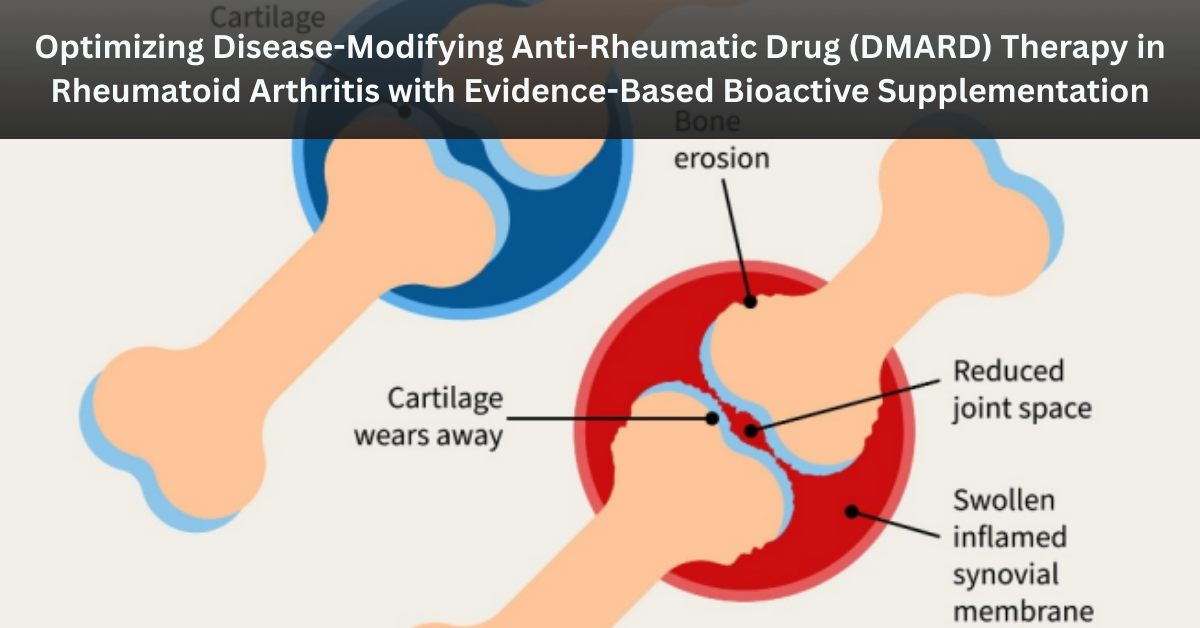
Rheumatoid arthritis (RA) is a chronic autoimmune disease characterized by persistent joint inflammation, progressive cartilage destruction, and systemic immune dysregulation. Over the past several decades, disease-modifying anti-rheumatic drugs (DMARDs) such as methotrexate, leflunomide, and more recently iguratimod have become the cornerstone of RA management.
These medications help control disease activity, prevent joint damage, and improve quality of life. However, long-term DMARD therapy also presents challenges including drug toxicity, variable response, immune suppression, gut dysbiosis, and oxidative stress.
In recent years, clinicians and researchers have begun exploring nutraceutical adjunct protocols—carefully selected dietary supplements and natural bioactive compounds that can complement DMARD therapy.
The goal is not to replace conventional drugs, but to:
- improve drug tolerance
- reduce adverse effects
- support immune balance
- long-term drug effectiveness
This article explores the scientific rationale and practical protocols for nutraceutical adjunct therapy with DMARDs, particularly with:
- Methotrexate
- Leflunomide
- Iguratimod
with special attention to cyclic use of probiotics, N-acetyl cysteine (NAC), and liposomal glutathione.
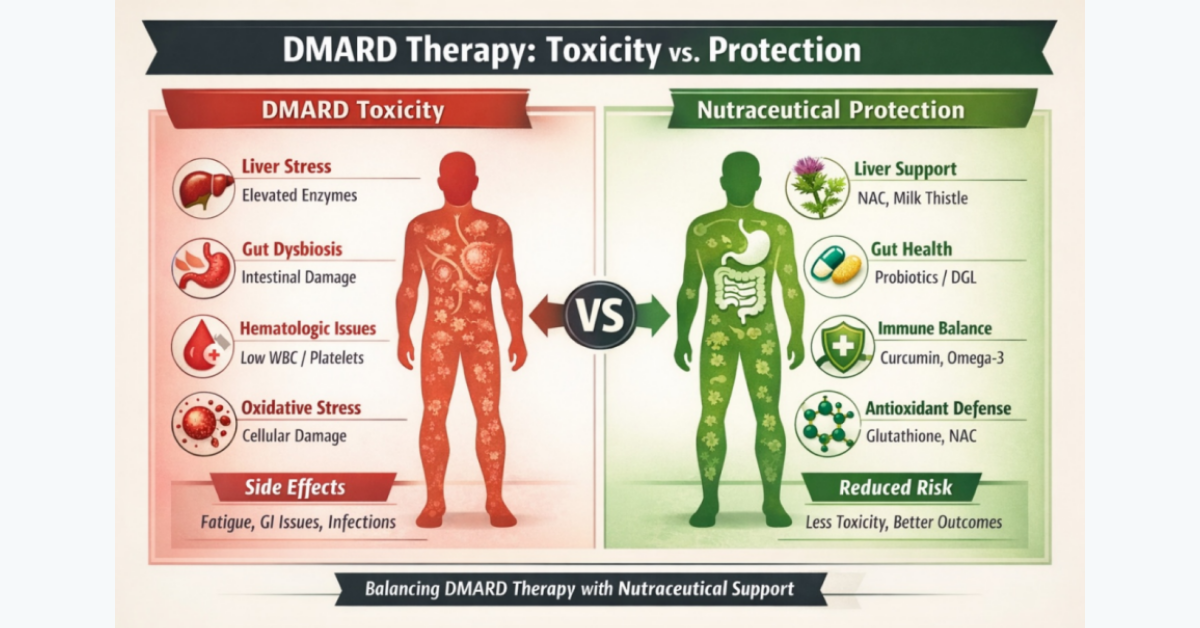
Understanding DMARD Therapy in Rheumatoid Arthritis
DMARDs work by modifying immune pathways that drive inflammation and joint destruction.
Methotrexate
Methotrexate remains the first-line DMARD worldwide. It inhibits folate metabolism and suppresses inflammatory immune responses. However, long-term use can cause:
- liver toxicity
- gastrointestinal irritation
- bone marrow suppression
- oxidative stress
Leflunomide
Leflunomide inhibits pyrimidine synthesis in lymphocytes, reducing immune cell proliferation.
Common concerns include:
- liver enzyme elevation
- gastrointestinal side effects
- hypertension
- immune suppression
Iguratimod
Iguratimod is a newer small-molecule DMARD increasingly used in Asia and parts of Europe.
It acts by:
inhibiting inflammatory cytokines such as TNF-α, IL-1β, IL-6 and IL-17
suppressing B-cell immunoglobulin production
inhibiting NF-κB signaling pathways
Clinical studies show that iguratimod is effective both as monotherapy and in combination with methotrexate for active rheumatoid arthritis.
The Hidden Problem: DMARD-Associated Biological Stress
Although DMARDs control inflammation, they also introduce biochemical stress on multiple organ systems.
Common biological consequences include:
- oxidative stress
- mitochondrial dysfunction
- liver detoxification burden
- gut microbiome disruption
- chronic immune dysregulation
Emerging research suggests that addressing these secondary effects may improve treatment outcomes.
Antioxidant therapies and immune-supporting nutrients have been proposed to reduce oxidative damage and enhance treatment responses in rheumatoid arthritis.
The Gut-Joint Axis: Why Probiotics Matter in Rheumatoid Arthritis
One of the most exciting discoveries in autoimmune disease research is the gut-joint axis.
Changes in gut microbiota can influence systemic inflammation and immune activation.
Studies show that probiotics can:
- reduce inflammatory cytokines
- improve intestinal barrier function
- enhance response to DMARD therapy
Clinical trials have also reported improvements in disease activity scores and patient symptoms when probiotics were added to standard RA therapy.
In addition, modulation of gut microbiota may enhance methotrexate effectiveness through microbiome-mediated immune regulation.
This provides a strong rationale for periodic probiotic supplementation.
The Role of Oxidative Stress in RA and Drug Toxicity
Rheumatoid arthritis is strongly associated with excess reactive oxygen species (ROS).
Oxidative stress contributes to:
- joint damage
- cartilage degradation
- drug toxicity
- fatigue and systemic inflammation
DMARD metabolism can further increase oxidative stress, particularly in the liver.
Therefore, antioxidants such as:
- N-acetyl cysteine (NAC)
- glutathione
- vitamin C
- vitamin D
have been investigated for their protective roles in inflammatory diseases.
Among these, NAC and glutathione are especially relevant for patients receiving long-term DMARD therapy.
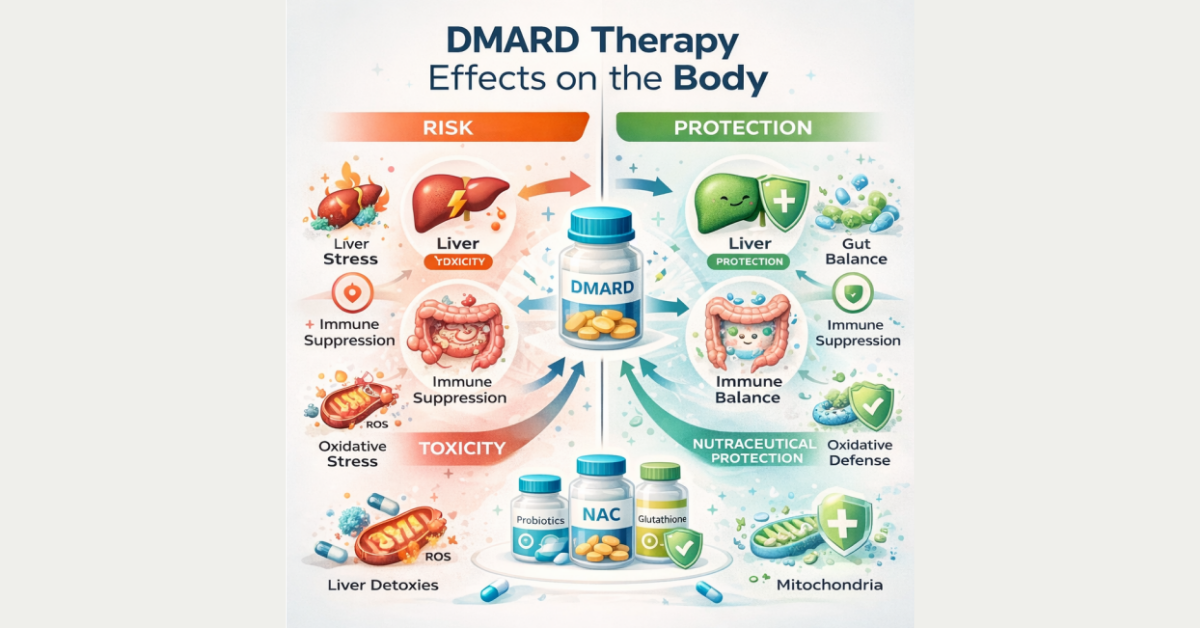
Key Nutraceuticals for DMARD Adjunct Therapy
- Probiotics / Synbiotics
Mechanisms:
- restore gut microbiota balance
- reduce intestinal permeability
- modulate immune responses
Clinical benefits:
- lower inflammatory markers
- improve treatment tolerance
- support immune homeostasis
Multi-strain synbiotic formulations containing Lactobacillus and Bifidobacterium species are often used.
- N-Acetyl Cysteine (NAC)
NAC is a precursor to glutathione, the body’s most important intracellular antioxidant.
Key functions:
- supports liver detoxification
- reduces oxidative stress
- protects mitochondrial function
In RA patients receiving DMARDs, NAC may help reduce:
- liver toxicity
- fatigue
- systemic inflammation
- Liposomal Glutathione
Glutathione plays a critical role in:
- detoxification
- immune regulation
- cellular protection
Liposomal delivery systems improve absorption compared to conventional oral glutathione.
Potential benefits include:
- reduction of oxidative stress
- improved liver function
- support for immune balance
The Concept of Cyclic Nutraceutical Therapy
Continuous supplementation is not always necessary.
Instead, cyclic or rotational protocols may provide benefits while avoiding excessive supplementation.
The rationale includes:
- preventing microbial adaptation
- maintaining immune responsiveness
- reducing supplement fatigue
- optimizing metabolic pathways
Example Nutraceutical Adjunct Protocols
Below are three different protocol models that clinicians may consider.
Protocol 1
Gut-First Protocol (Microbiome Reset)
Duration: 8 weeks
Weeks 1–4
High-potency multi-strain probiotic
prebiotic fiber
digestive enzymes
Weeks 5–8
Probiotic maintenance dose
anti-inflammatory diet support
Goal:
restore gut microbiome
reduce systemic inflammation
improve drug tolerance
Protocol 2
Liver Protection Protocol
Duration: 6 weeks
Daily
N-Acetyl cysteine (600–1200 mg)
liposomal glutathione
B-complex vitamins
milk thistle extract
Goal:
support detoxification pathways
reduce liver enzyme elevations
protect hepatocytes from drug metabolism stress
Protocol 3
Integrated DMARD Support Protocol
12-week cycle
Weeks 1–4
Probiotic / synbiotic therapy
Weeks 5–8
NAC + glutathione antioxidant phase
Weeks 9–12
anti-inflammatory nutraceutical phase
Omega-3 fatty acids
curcumin
vitamin D3
Goal:
support gut
reduce oxidative stress
maintain anti-inflammatory environment
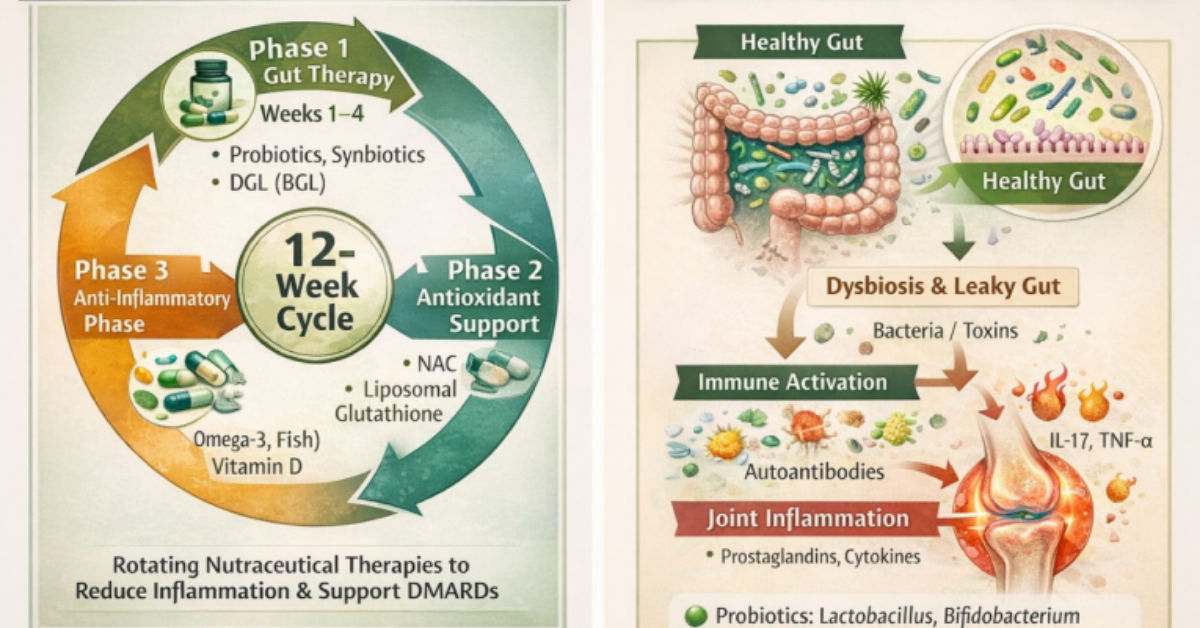
Why This Approach May Sustain Iguratimod Efficacy
Iguratimod suppresses inflammatory cytokines and regulates immune pathways including NF-κB signaling.
However, chronic inflammation and oxidative stress can eventually reduce treatment responsiveness.
Adjunct nutraceuticals may:
- reduce background inflammation
- support mitochondrial health
- maintain immune balance
This could theoretically allow sustained efficacy of the same DMARD dose for longer periods.
- Expert Tip:While generally safe, always space your supplements 2–4 hours apart from your DMARD dose to ensure optimal absorption of both.