Gut health has moved from being a niche digestive concern to a central pillar of modern preventive healthcare. Scientific research now confirms that the gut microbiome influences immunity, inflammation, metabolism, mental wellbeing, joint health, skin integrity, and even aging. Yet, contemporary lifestyle patterns have created a silent epidemic of gut imbalance that often goes unrecognized until chronic symptoms emerge.
Understanding how to restore microbial balance through targeted nutrition, probiotics, and advanced nutraceuticals is becoming essential for long-term wellness and healthy aging.
Understanding the Gut Microbiome: Eubiosis vs Dysbiosis
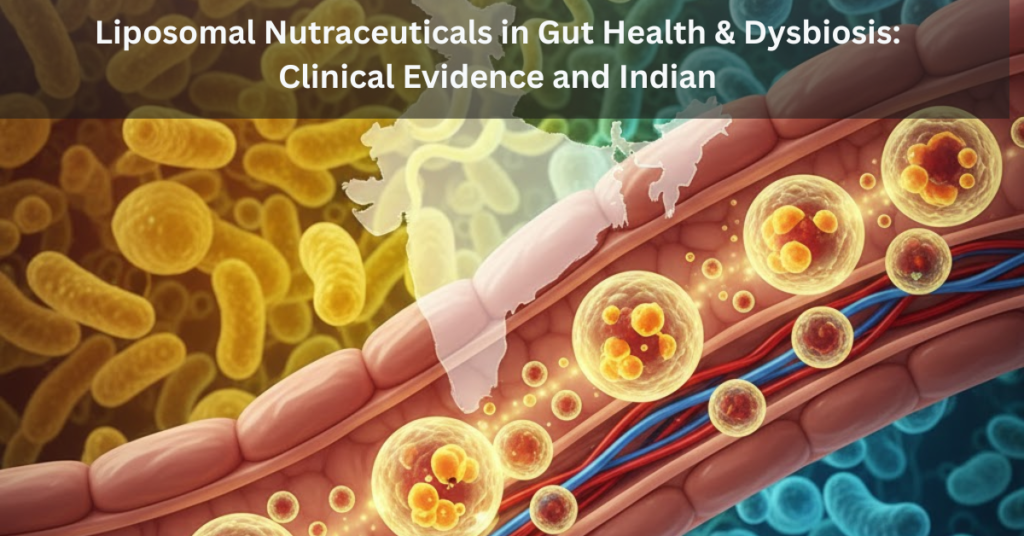
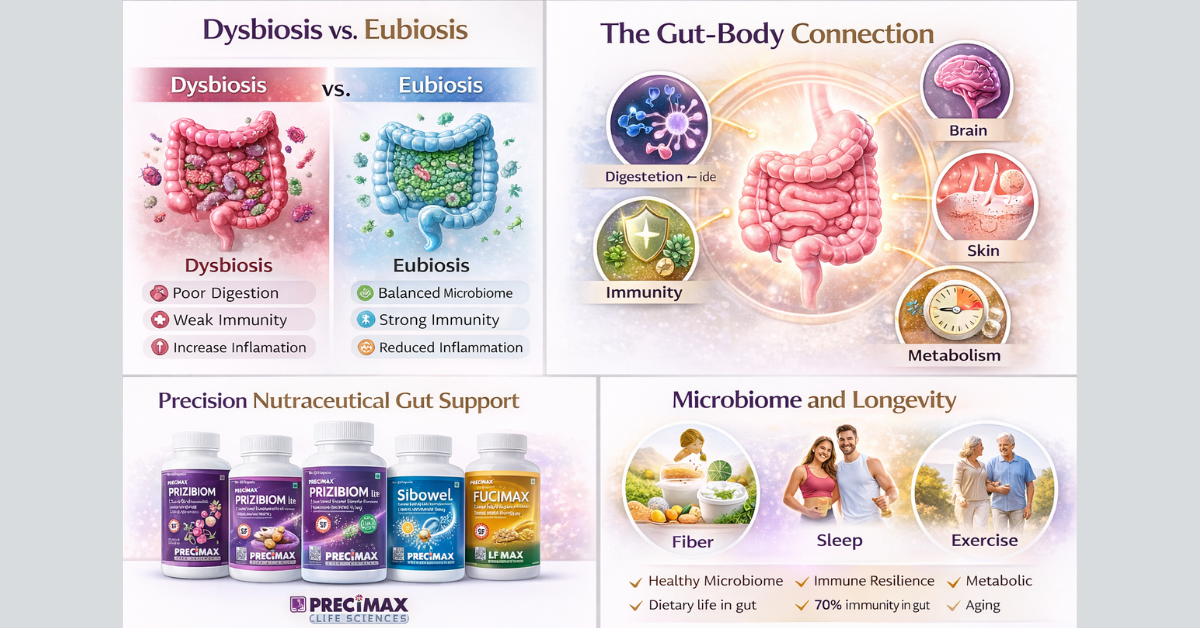
The human gut houses trillions of microorganisms including bacteria, fungi, and viruses that together form the microbiome. When these organisms exist in a balanced, diverse state, it is called eubiosis. This balanced ecosystem supports digestion, nutrient absorption, immune regulation, and inflammation control.
Dysbiosis occurs when harmful microbes outnumber beneficial ones or microbial diversity declines. This imbalance may result from antibiotic overuse, processed diets, chronic stress, environmental toxins, poor sleep, alcohol consumption, or infections.
Dysbiosis often presents as bloating, indigestion, constipation, diarrhea, fatigue, food sensitivities, or recurrent infections. Over time it can contribute to inflammatory disorders, metabolic disease, autoimmune conditions, and accelerated aging.
Digestive Disorders Linked to Microbial Imbalance
Many common digestive complaints today trace back to dysbiosis. Functional disorders such as irritable bowel symptoms, chronic indigestion, acid reflux, and malabsorption frequently involve altered microbiota rather than purely structural disease.
When microbial diversity drops, fermentation patterns change, digestive enzymes may become less effective, and gut barrier integrity weakens. This can lead to nutrient deficiencies, systemic inflammation, and what is sometimes described as increased intestinal permeability.
Precision probiotic supplementation using multi-strain synbiotics such as PRIZIBIOM can help restore microbial diversity while supporting digestion and immune balance. For individuals with sensitive digestion or those recovering from antibiotics, PRIZIBIOM Lite offers gentler probiotic support combined with digestive enzymes and glutamine for gut lining health.
Helicobacter pylori and Inflammatory Gut Conditions
Helicobacter pylori infection remains a significant global digestive health concern. This bacterium colonizes the stomach lining and can contribute to chronic gastritis, ulcers, and inflammation. While conventional medical management remains essential, nutritional support plays an important adjunctive role.
Lactoferrin, a naturally occurring iron-binding protein, has attracted attention for its potential role in microbial modulation and inflammation control. Liposomal lactoferrin formulations such as LF-Max enhance absorption and may support gastric mucosal health while helping maintain microbial balance.
Inflammatory gut conditions are rarely isolated to the digestive tract. Persistent inflammation can influence joint pain, fatigue, immune function, and metabolic health.
Small Intestinal Bacterial Overgrowth (SIBO)
SIBO involves excessive bacterial growth in the small intestine where bacterial load should normally remain relatively low. Symptoms include bloating, abdominal discomfort, malabsorption, gas, and nutritional deficiencies.
Management typically includes medical guidance along with dietary modification and targeted nutraceutical support. Products designed for microbial modulation, such as Sibowel, may support gut balance as part of a comprehensive strategy.
The Gut-Joint Connection
Emerging research highlights the gut-joint axis. Microbial imbalance can increase systemic inflammatory markers that influence cartilage health, joint mobility, and musculoskeletal comfort.
Anti-inflammatory nutraceuticals such as micellar curcumin (available as Cucimax) can support inflammation balance both locally in the gut and systemically. When combined with probiotic support, this approach may benefit individuals with joint stiffness or inflammatory conditions.
The Gut-Brain Axis
Communication between the gut and brain occurs through neural, hormonal, and immune pathways. The microbiome influences neurotransmitter production, stress response, mood stability, and cognitive performance.
Dysbiosis has been associated with anxiety, mood disturbances, fatigue, and sleep disruption. Supporting gut balance often improves overall mental wellbeing.
The Gut-Skin Connection
Skin conditions such as acne, eczema, psoriasis, and premature aging increasingly show links to gut health. Microbial imbalance may trigger systemic inflammation affecting skin barrier function and immune response.
Restoring gut balance through synbiotics, anti-inflammatory nutrition, and antioxidant support often complements dermatological care.
Gut Health, Immunity, and Longevity
Approximately seventy percent of the immune system resides in the gut. A balanced microbiome supports immune tolerance, pathogen defense, and inflammatory control.
Long-term dysbiosis has been linked to metabolic disorders, cardiovascular risk, neurodegeneration, and accelerated aging. Conversely, maintaining eubiosis supports cellular resilience, mitochondrial function, and healthy aging pathways.
Polyphenols, probiotics, and advanced nutraceutical delivery systems are increasingly studied for their potential to support longevity through microbiome modulation.
The Precision Nutraceutical Approach
Not all probiotics are equal. Modern precision nutraceutical science emphasizes strain specificity, synergistic prebiotics, bioavailability enhancement, and targeted delivery systems.
- PRIZIBIOM provides multi-strain synbiotic support for microbial diversity.
- PRIZIBIOM Lite combines probiotics with digestive enzymes and gut-lining support.
- Sibowel focuses on microbial balance in complex digestive conditions.
- LF-Max offers liposomal lactoferrin support for inflammatory gut health.
- Cucimax delivers micellar curcumin for anti-inflammatory and systemic support.
This integrated approach aligns with emerging personalized nutrition strategies.
Diet and Lifestyle Foundations for Gut Health
Nutraceutical support works best alongside lifestyle changes. A gut-supportive lifestyle includes fiber-rich foods, fermented foods, polyphenol-rich fruits and vegetables, stress management, regular physical activity, and adequate sleep.
Avoiding excessive processed foods, refined sugars, alcohol, and unnecessary antibiotics helps maintain microbial diversity.
When Professional Guidance is Needed
Persistent digestive symptoms, unexplained weight loss, blood in stool, severe abdominal pain, or chronic fatigue require medical evaluation. Nutraceuticals complement but do not replace professional care.
The Future of Gut Health
Microbiome science is rapidly evolving. Personalized probiotics, microbiome testing, targeted bioactive compounds, and integrated lifestyle counseling are likely to shape future preventive healthcare.
Precimax is aligning with this evolving paradigm through precision nutraceutical formulations and emerging personalized health initiatives.
Healthy gut function is no longer just about digestion. It is central to vitality, immunity, mental wellbeing, metabolic balance, and longevity.
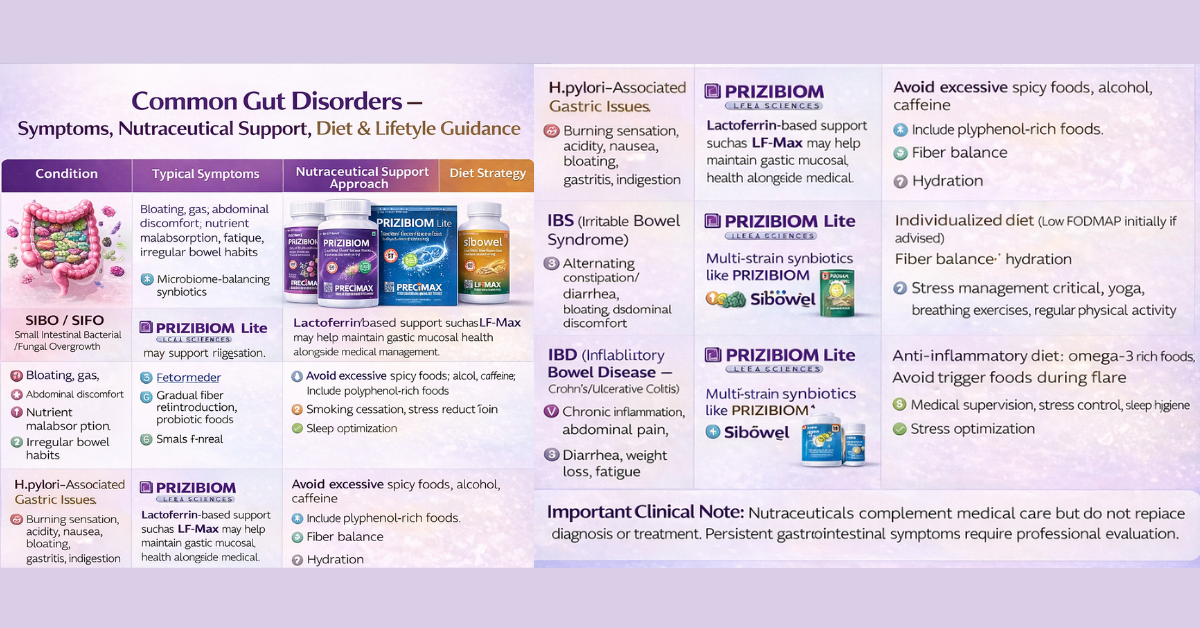
Common Gut Disorders – Symptoms, Nutraceutical Support, Diet & Lifestyle Guidance
| Condition | Typical Symptoms | Nutraceutical Support Approach | Diet Strategy | Lifestyle Support |
|---|---|---|---|---|
| SIBO / SIFO (Small Intestinal Bacterial/Fungal Overgrowth) | Bloating, gas, abdominal discomfort, nutrient malabsorption, fatigue, irregular bowel habits | Microbiome-balancing synbiotics such as PRIZIBIOM or PRIZIBIOM Lite may support microbial diversity. Targeted gut-modulating formulations like Sibowel may complement clinical management. | Low fermentable carbohydrate approach initially; gradual fiber reintroduction; probiotic foods once stable | Stress management, regular meal timing, adequate sleep, physical activity to support gut motility |
| H. pylori–Associated Gastric Issues | Burning sensation, acidity, nausea, bloating, gastritis, indigestion | Lactoferrin-based support such as LF-Max may help maintain gastric mucosal health alongside medical care. Probiotic synbiotics may support microbial balance during treatment. | Avoid excessive spicy foods, alcohol, caffeine; include polyphenol-rich foods; small frequent meals | Smoking cessation, stress reduction, sleep optimization |
| IBS (Irritable Bowel Syndrome) | Alternating constipation/diarrhea, bloating, abdominal discomfort, food sensitivity | Multi-strain synbiotics like PRIZIBIOM may help microbial balance. PRIZIBIOM Lite suitable for sensitive digestion. Anti-inflammatory nutraceuticals like Cucimax may support gut comfort. | Individualized diet (low FODMAP initially if advised); fiber balance; hydration | Stress management critical; yoga, breathing exercises, regular physical activity |
| IBD (Inflammatory Bowel Disease – Crohn’s/Ulcerative Colitis) | Chronic inflammation, abdominal pain, diarrhea, weight loss, fatigue | Anti-inflammatory nutraceutical support such as micellar curcumin (Cucimax) may complement therapy. Synbiotic support may assist microbiome stability when appropriate medically. | Anti-inflammatory diet; omega-3 rich foods; avoid trigger foods during flare | Medical supervision essential; stress control; sleep hygiene |
| Functional Dyspepsia / Indigestion | Early fullness, bloating, belching, nausea, post-meal discomfort | Digestive enzyme and probiotic support such as PRIZIBIOM Lite may aid digestion. Lactoferrin may support mucosal health. | Smaller frequent meals; avoid heavy fatty meals; fermented foods if tolerated | Regular eating schedule; avoid late-night meals; reduce stress |
| Leaky Gut / Increased Intestinal Permeability (Conceptual Functional Condition) | Food sensitivity, fatigue, inflammation-related symptoms | Glutamine-containing synbiotic support like PRIZIBIOM Lite may support gut lining integrity. Anti-inflammatory nutraceuticals such as Cucimax may assist systemic balance. | Whole-food diet; avoid ultra-processed foods; increase fiber gradually | Sleep optimization; gut-directed relaxation practices |
| General Dysbiosis / Microbiome Imbalance | Bloating, irregular bowel habits, fatigue, immune disturbances | High-potency synbiotic support such as PRIZIBIOM for microbial diversity restoration. Sibowel for targeted balance where required. | Diverse plant-based diet; fermented foods; polyphenols | Regular physical activity; stress reduction; antibiotic stewardship |
Nutraceuticals complement medical care but do not replace diagnosis or treatment. Persistent gastrointestinal symptoms require professional evaluation.