NSAIDs and mild opioids are still the best treatments for nociceptive and inflammatory pain. Still, they can’t be used for long periods of time because they can cause problems with the stomach, kidneys, heart, metabolism, and dependency. Evidence-based nutraceuticals (phytoceuticals, functional minerals, and vitamins) focus on upstream biology, such as oxidative stress, cytokines, eicosanoids, mitochondrial dysfunction, and microbiome dysbiosis. They have benefits over NSAIDs and are easier to tolerate. The contemporary methodology is multimodal, encompassing lifestyle modifications, physiotherapy, targeted nutraceuticals, and prudent medication.

How to understand the “evidence strength” in this review
- Cohen’s d (effect size):~0.2 modest, ~0.5 moderate, ≥0.8 large (for pain VAS or composite symptoms).
- NNT (Number Needed to Treat):lower is better; feasible bands are indicated (large ranges reflect varied trials, dosages, and formulations).
- VAS:the usual absolute drop seen in RCTs or meta-analyses (in the ballpark).
- Numbers are taken from a lot of clinical literature; the quality of the formulation and the results of changing the dose are very different.
Phytoceuticals (Botanical Actives)
1) Curcumin that is micellar or very bioavailable
Targets: NF-κB, COX-2/5-LOX, oxidative stress; protects cartilage.
Indications: Osteoarthritis of the knee, tendinopathies, low back pain, and stiffness after exercise.
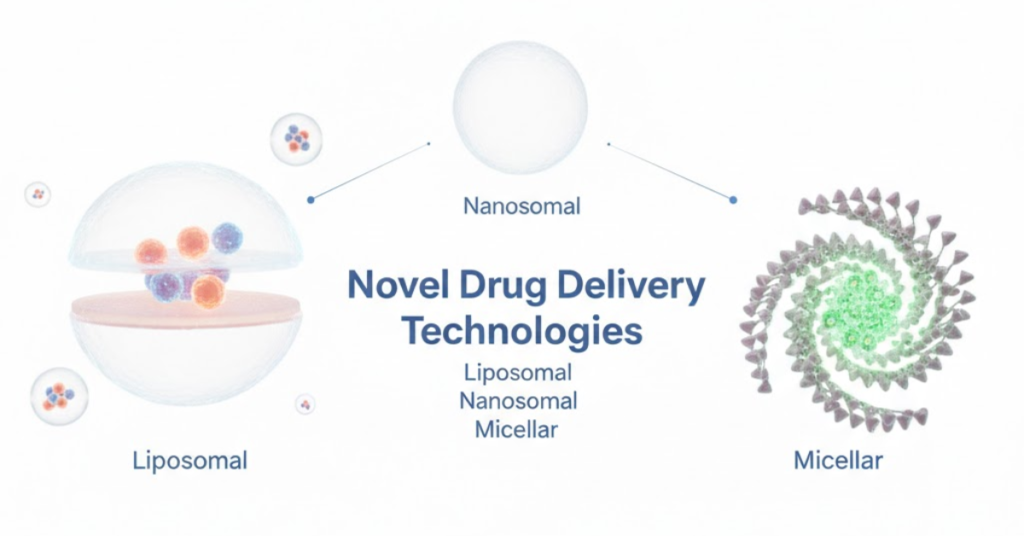
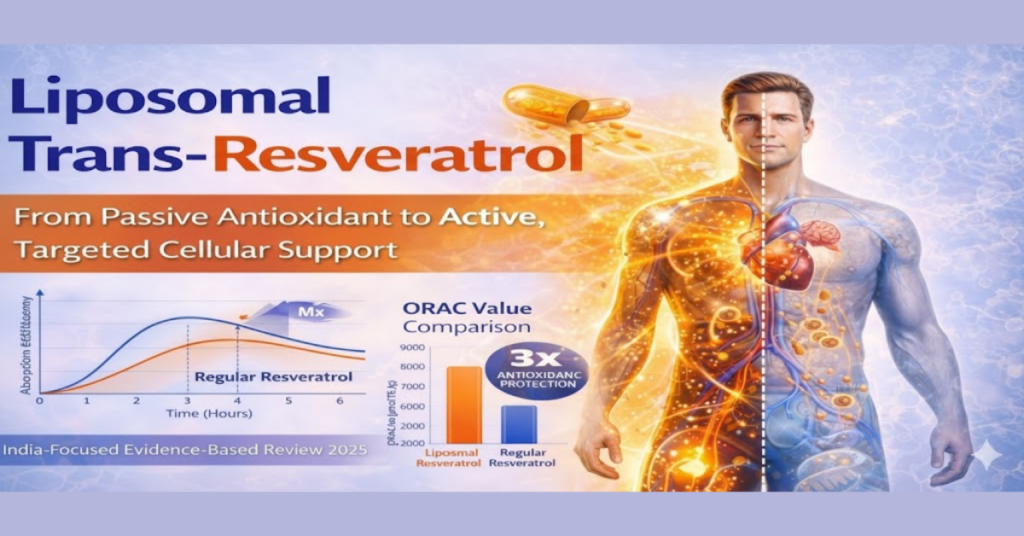
The usual dose is 500 to 1000 mg, it is unformulated form and much lower for improved bioavailable types, like micellar, liposomal etc. improved bioavailability means less frequency of administration, either 1 serving or max, 2.
A quick look at the evidence:
- Cohen’s d: ~0.5–0.8 (moderate→large) for OA pain/function.
- VAS went down by about 15 to 25 mm (on a scale of 0 to 100).
- NNT for significant pain relief: about 4 to 8.
Safety: Most of the time, it’s great. Be careful with anticoagulants and antiplatelets; dyspepsia is infrequent. A clinical pearl: bioavailability is key—micellar formulations are far better than raw powders. Often has NSAID-sparing effects after 2–6 weeks.
2) Boswellia serrata (standardized for AKBA)
Targets: stopping 5-LOX, the leukotriene pathway, and breaking down cartilage.
Indications: OA and pain in the muscles and joints that is caused by inflammation.
Dosage: 100–250 mg/day of an AKBA-standardized extract (or 300–500 mg/day of total boswellia with ≥30% AKBA equivalent), split up.
Proof: Cohen’s d is about 0.5–0.7.
- VAS drop: about 12–20 mm.
- NNT: about 3 to 7. Safety: well accepted, but GI upset happens sometimes.
Pearl: Check the label for AKBA content; it’s usual for it to work well with curcumin.
3) Bromelain (an enzyme that breaks down proteins)
Targets: Inflammatory edema, bradykinin; may change how pain is felt.
Indications: Injury to soft tissue, edema after surgery, OA adjunct.
Dosage: 500–1000 mg/day (standardized GDU/MCU), taken on an empty stomach.
Evidence: Cohen’s d is between 0.3 and 0.5.
- VAS: about 8 to 15 mm.
- NNT: about 6–10. Safety: Good; don’t use with anticoagulants, before surgery, or if you are allergic to pineapple.
4) Zingiber officinale (ginger)
Targets: COX/LOX regulation, TRPV1; an anti-inflammatory that is good for the GI tract.
Indications: OA, dysmenorrhea, and DOMS.
Dosage: 1–2 g/day of standardized extract.
Proof: • Cohen’s d: ~0.3–0.5.
- VAS: about 8 to 12 mm.
- NNT: about 7 to 12.
Safety: Some people with sensitive skin may have moderate reflux.
5) Devil’s Claw (Harpagophytum)
Targets: COX-2/iNOS; pain relief and anti-inflammatory.
Indications: OA and back discomfort.
Dose: 600 to 1200 mg of extract (harpagoside-standardised) per day.
Proof: Cohen’s d is between 0.4 and 0.6.
- VAS: about 10 to 18 mm.
- NNT: about 5–9. Safety: Usually harmless, but be careful with ulcers and blood thinners.
6) Use willow bark (salicin) only when needed.
Targets: Salicylates (like ASA).
Indications: OA, back discomfort (where NSAIDs are not tolerated).
Dosage: Usually 120–240 mg salicin per day.
Evidence: Cohen’s d: ~0.4–0.6. NNT: ~4–8. Safety: Don’t take with aspirin/anticoagulants, peptic ulcer, or salicylate allergy.
Nutraceuticals for Structural and Matrix Support
7) Collagen peptides (Type II; undenatured)
Targets: Cartilage matrix, pain modulation, and immunological tolerance (UC-II).
Indications: OA, joint ache from sports.
Hydrolysed peptides: 5–10 g/day; UC-II: 40 mg/day.
Proof: Cohen’s d: Hydrolyzed is about 0.4–0.6 while UC-II is about 0.3–0.5.
- VAS: about 8 to 18 mm.
- NNT: about 6 to 10.
Safety: Excellent; friendly for a long time.
Pearl: Hydrolysed to construct a matrix; UC-II for immunological tolerance; they can be layered.
8) MSM (methylsulfonylmethane)
Targets: Redox equilibrium, sulfur donor; lessens pain and stiffness.
Indications: OA and persistent myofascial pain.
1.5 to 3 grams every day.
Proof: Cohen’s d is between 0.4 to 0.6.
- VAS: about 10 to 15 mm.
- NNT: about 6 to 10.
Safety: Good; GI upset happens sometimes.
9) Chondroitin and Glucosamine
Targets: Metabolism of cartilage; symptomatic improvement in specific groups.
Indications: Knee OA (optimal in mild to moderate cases, with longer horizons).
Dosage: 1500 mg/day of glucosamine sulfate and 800–1200 mg/day of chondroitin.
Evidence: Cohen’s d is about 0.2–0.4 (it depends on the formulation).
- VAS: ~5–12 mm (the benefit builds up over months).
- NNT: about 9 to 15.
Safety: Very good; be careful if you have a shellfish allergy (depends on the supplier).
Lipids and metabolic modulators
10) Omega-3 (EPA/DHA)
Targets: Pro-resolving mediators and cytokine regulation.
Indications: Inflammatory arthralgias and cervical/lumbar pain with a myofascial component.
Dosage: 1–2 g/day EPA+DHA (more for inflammatory phenotypes).
- Cohen’s d: ~0.3–0.5.
- VAS: about 8 to 15 mm.
- NNT: about 7 to 12.
Safety: Excellent; be careful with high dosages of anticoagulants.
11) CoQ10 (Ubiquinone/Ubiquinol)
Targets: oxidative stress, mitochondrial energetics, and statin myalgias.
Indications: discomfort that feels like fibromyalgia, muscle discomfort from statins, and pain that overlaps with exhaustion.
Dosage: 100 to 200 mg each day.
Proof: Cohen’s d is about 0.3–0.5 for pain/fatigue composites.
Safety: Excellent.
Vitamins and minerals (Repairing the “hidden amplifiers” of pain)
12) Vitamin D3
Goals: Improving muscle function, relieving bone pain, and changing the immunological system.
Indications: widespread deficit; OA or low-back pain with deficiency.
Dose: To fix the deficit, take 1000–2000 IU/day as a loading dose. If you have malabsorption or obesity, take liposomal or micellised.
Evidence: Cohen’s d: around 0.3 to 0.5 in people who are not getting enough of anything.
Safety: Excellent; don’t take too much calcium at once.
13) Magnesium (in liposomal or citrate, glycinate salt)
Goals: NMDA regulation, muscular relaxation, and migraine relief.
Indications: tension headache, cramping, and migraine prevention.
Dosage: 200 to 400 mg of elemental per day.
Proof: Cohen’s d: ~0.3–0.5 (optimal for migraines).
Safety: Oxide/citrate might cause loose stools; glycinate is better for sensitive people.
14) B-Complex / B12 (methylcobalamin)
Goals: Nerve health, homocysteine, and neuropathic pain.
Indications: Neuropathies, radicular pain with deficit.
Dosage: 1000–1500 mcg/day of B12 (oral/OD strip) and B-complex once a day.
Evidence: Cohen’s d is about 0.3 to 0.6 in groups of people with neuropathy who don’t have enough of it.
Ranking summary (by typical clinical effect & practicality)
Rank | Agent (best formulations) | Typical Cohen’s d | VAS ↓ (mm) | NNT (band) | Best for |
1 | Micellar/Enhanced Curcumin | 0.5–0.8 | 15–25 | 4–8 | OA, tendon, back pain |
2 | Boswellia (AKBA-std.) | 0.5–0.7 | 12–20 | 3–7 | OA/inflammatory pain |
3 | Collagen peptides / UC-II | 0.3–0.6 | 8–18 | 6–10 | OA, sports joints |
4 | Omega-3 (EPA/DHA) | 0.3–0.5 | 8–15 | 7–12 | Inflammatory pain |
5 | Bromelain | 0.3–0.5 | 8–15 | 6–10 | Post-injury edema, OA adjunct |
6 | MSM | 0.4–0.6 | 10–15 | 6–10 | OA, myofascial pain |
7 | Ginger | 0.3–0.5 | 8–12 | 7–12 | OA, dysmenorrhea |
8 | Devil’s Claw | 0.4–0.6 | 10–18 | 5–9 | Back pain/OA |
9 | Magnesium | 0.3–0.5 | n/a–mod | 7–12 | Migraine, cramps |
10 | Vitamin D3 (if deficient) | 0.3–0.5 | n/a–mod | 6–12 | Bone/muscle pain |
11 | B12/B-complex (if deficient) | 0.3–0.6 | n/a–mod | 5–10 | Neuropathic pain |
12 | Glucosamine+Chondroitin | 0.2–0.4 | 5–12 | 9–15 | OA (long horizon) |
Notes: The ranges are based on different experiments, and the results vary with the dose, length of time, severity of the disease, and quality of the formulation.
Making a strategy that doesn’t use NSAIDs (how to mix them safely)
Step 1: Start with a core that fights inflammation.
- 500 to 1000 mg of micellar curcumin each day, with AKBA Boswellia.
- If you have systemic inflammation or metabolic syndrome, add Omega-3 (1–2 g EPA+DHA/day).
Step 2: Add support for joints in the matrix
- At least 3 to 6 months of collagen peptides 5 to 10 grams per day or UC-II 40 mg per day.
Step 3: Focus on difficulties that are specific to the situation
- Bromelain (swelling and stiffness after an injury or surgery).
- Magnesium (for cramps and migraines).
- B12/D3 (fix reported problems).
Step 4: Use and review regularly
- For single agents (or rotating actives), 8–12 weeks on and then 2–4 weeks off to see if the benefits last and to reduce tolerance.
- A lot of patients can go from taking NSAIDs every day to only when they need them over the course of 4 to 12 weeks when the nutraceuticals start to work. Typical NSAID reduction in real life is 20–50% in OA/inflammatory groups that respond.
Step 5: Keep an eye on things instead of guessing. Keep track of VAS, functional scores (such as WOMAC), rescue NSAID tablets per week, sleep quality, and exercise minutes. Change the stack based on the objective trend, not just how it feels.
Safety, interactions, and using it for a long time
- Curcumin, ginger, bromelain, and boswellia: Usually safe, but be careful if you are taking blood thinners or are going to have surgery soon.
- Omega-3: Safe; if you’re taking anticoagulants, be careful of the danger of bleeding at high doses; cease 3–5 days before surgery as your surgeon tells you to.
- Magnesium: Choose Liposomal form to avoid stomach problems; change the dose based on how well your body can handle it.
- Vitamin D3: Get the right amount from laboratories; don’t take too much for a long time.
- Glucosamine/Chondroitin: Very safe; works differently for different people.
- Willow bark: Don’t use it with aspirin, blood thinners, salicylate sensitivity, or peptic ulcer illness.
- Pregnancy/lactation, surgery timeframes, and polypharmacy all need to be watched by a doctor.
Long-term use: Most of the agents listed are safe to use for a long time. For long-term illnesses like OA, keep the dose as low as possible. Think about doing periodic cycling and lab tests (for omega-3 adherence, check Vit D, B12, and lipids).
Examples of practical stacking
OA knee, metabolic phenotype (central obesity, hs-CRP↑):
- 500 mg of Micellar Curcumin twice a day
- Standard dose of Boswellia (AKBA) QD
- 10 g of collagen peptides or 40 mg of UC-II every day • 2 g of omega-3 (EPA+DHA) every day • 200–300 mg of magnesium every night if you have cramps or trouble sleeping
Goal: Cut back on daily NSAID use to as-needed within 4 to 8 weeks.
Swelling of the soft tissue after an injury:
- 500 mg of bromelain twice a day on an empty stomach • 500 mg of curcumin twice a day
- 1–2 g of omega-3 each day
Goal: Less swelling and pain, and faster recovery.
Neuropathic characteristics / B12 deficiency:
- 1000–1500 mcg of methylcobalamin per day
- 200–400 mg of magnesium glycinate per day
- 1–2 g of omega-3 per day
Goal: To change nerve pain and help with sleep.
When medicines and nutraceuticals work together best
- With NSAIDs: Curcumin/Boswellia/Omega-3 lessen the level of inflammation, which means you need to take fewer NSAIDs and have fewer GI problems.
- When taking weak opioids, anti-inflammatory and mitochondrial supports like curcumin, omega-3, and CoQ10 may help you need fewer opioids and work better. Always taper off with a doctor’s help.
- With physiotherapy, collagen and curcumin make it easier to move, which leads to greater rehab adherence and outcomes.
- With injections (PRP/HA): Anti-inflammatories and collagen help make the joint environment more anabolic.
Main points to remember
- Some nutraceuticals, like curcumin, AKBA, boswellia, collagen, and omega-3, now exhibit clinically significant pain alleviation, notably for OA and inflammatory pain. They have modest effect sizes and good NNTs.
- The formulation is essential (micellar curcumin, AKBA-standardised boswellia, hydrolysed collagen, and high-quality omega-3).
- The best results come from using multiple methods, keeping an eye on them, and cycling them, along with physiotherapy and careful use of medications.
- For many patients, this approach cuts NSAID use by 20–50%, makes them work better, and can be used for a long time.

FAQs
- Do nutraceuticals truly work as well as opioids to ease pain?
Ans – Not right away. Curcumin, AKBA boswellia, and omega-3s are nutraceuticals that function slowly to reduce inflammation and oxidative stress. Clinical trials demonstrate quantifiable decreases in pain levels (VAS) and a diminished requirement for NSAIDs with time.
- How long does it take for nutraceuticals to help with pain?
Ans – When combined, Curcumin and AKBA -Boswellia could reduce pain as early as 7-10 days and if it is single agent the time required will be for 3-4 weeks to start getting pain relief. They are not “quick fixes” like NSAIDs; instead, they create long-term benefits.
- Which nutraceuticals have the strongest evidence for osteoarthritis pain?
Ans – Curcumin (micellar or liposomal), AKBA-rich Boswellia serrata, type-II collagen, and undenatured collagen routinely demonstrate enhancement in pain and functionality with elevated safety ratings.
- Is it safe to utilise nutraceuticals for a long time?
Ans – Yes. When taken in the right amounts, nutraceuticals are safer than long-term usage of NSAIDs or opioids and don’t hurt the kidneys, liver, or heart much.
- Can nutraceuticals help lower the amount of NSAIDs or opioids you take?
Ans – Of course. Studies demonstrate that nutraceuticals can lessen the amount of NSAIDs needed, cut down on adverse effects, and even let people take breaks from drugs by using them in cycles.
- How do nutraceuticals perform on clinical scales like Cohen’s d, NNT, and VAS?
- Ans – Curcumin and Boswellia: a moderate to strong effect size (Cohen’s d ~0.5–0.7) and a number needed to treat (NNT) of about 4–5.
- Collagen peptides: some benefit, NNT ~6–7
- Omega-3: helps with minor discomfort but has substantial heart health advantages as well.
- Vitamins D3, B12, and magnesium are more helpful than direct painkillers, but they are also essential cofactors.
- Are nutraceuticals able to totally substitute painkillers?
Ans – Not all the time. They might be enough for mild to moderate pain. They function best with drugs when the pain is awful.
- Can nutraceuticals help with pain after surgery, like knee replacement?
Ans – Yes. Omega-3, curcumin, and collagen help with healing, lessen inflammation, and assist rehabilitation, which may mean you need less pain medication.
- Do nutraceuticals mix with any drugs?
Ans – Some might. For instance, curcumin and omega-3 can make blood thinners work better. Always talk to your doctor before taking prescription drugs.
- How significant is the formulation (liposomal, micellar, etc.)?
Ans – Very much so. Bioavailability is significant. Micellar curcumin and AKBA-standardized Boswellia exhibit significantly enhanced results in comparison to unprocessed powders.
- Should nutraceuticals be used all the time or in cycles?
Ans – To get the best results, track progress, and avoid building up a tolerance, several experts suggest using it in cycles (8–12 weeks on, short pauses).
- What vitamins and minerals are best for managing pain?
- Vitamin D3 and K2 help bones stay strong and ease pain.
- Vitamin B12 helps repair myelin and ease nerve pain.
- Magnesium helps muscles relax and stops cramps.
- Zinc and selenium are antioxidants and anti-inflammatories.
- Do nutraceuticals function the same for everyone?
Ans – No. Genetics, gut flora, baseline inflammation, and variances in absorption all have a role in how people respond. It’s crucial to keep an eye on progress.
- Do nutraceuticals aid with neuropathic pain?
Ans – Yes. B12, alpha-lipoic acid, curcumin, and omega-3 fatty acids have been shown to help with diabetic neuropathy and nerve discomfort.
- What should people remember when they start taking nutraceuticals for pain?
- Don’t anticipate results right away.
- Pick formulas that have been tested in a clinical setting.
- Keep track of your pain levels every week (VAS).
- Combine with your way of life, like what you eat, how much you exercise, and how well you sleep.
- Talk to a doctor for advice that is specific to you.