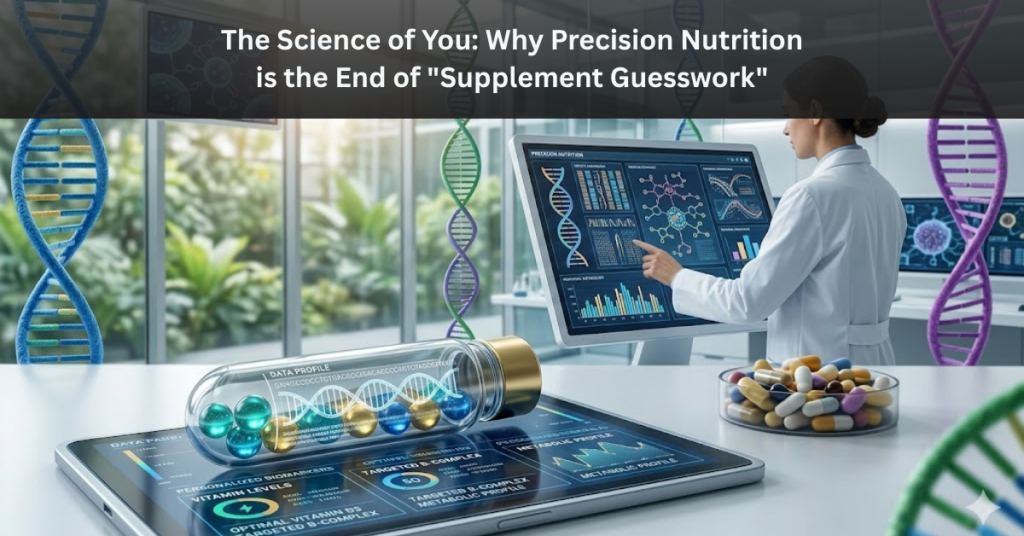
What Is Precision Nutrition? How a Precision Nutraceutical Strategy Can Help You Get the Best from Your Supplements and Reduce Disease Risk
Executive Summary
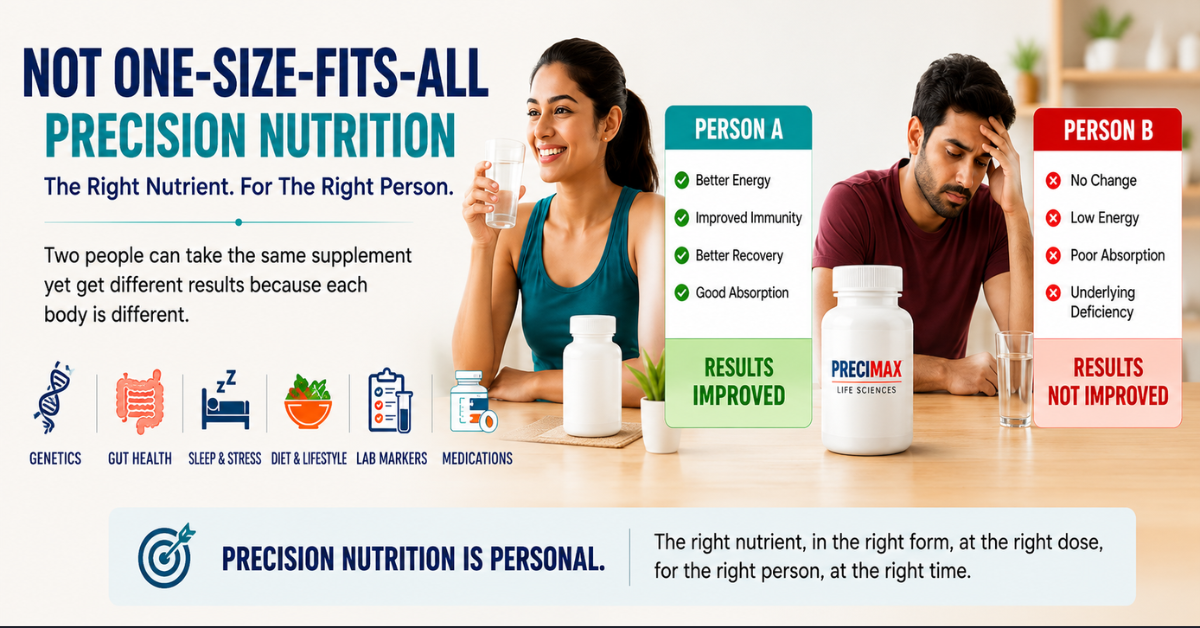
Two people can eat similar diets, exercise the same number of days each week, and take the exact same supplement—yet end up with very different results. One person’s energy improves. Another person notices no change. One person’s Vitamin D levels rise quickly. Another person remains deficient despite taking a daily dose for months.
This is one of the central ideas behind Precision Nutrition: human nutrition is not one-size-fits-all.
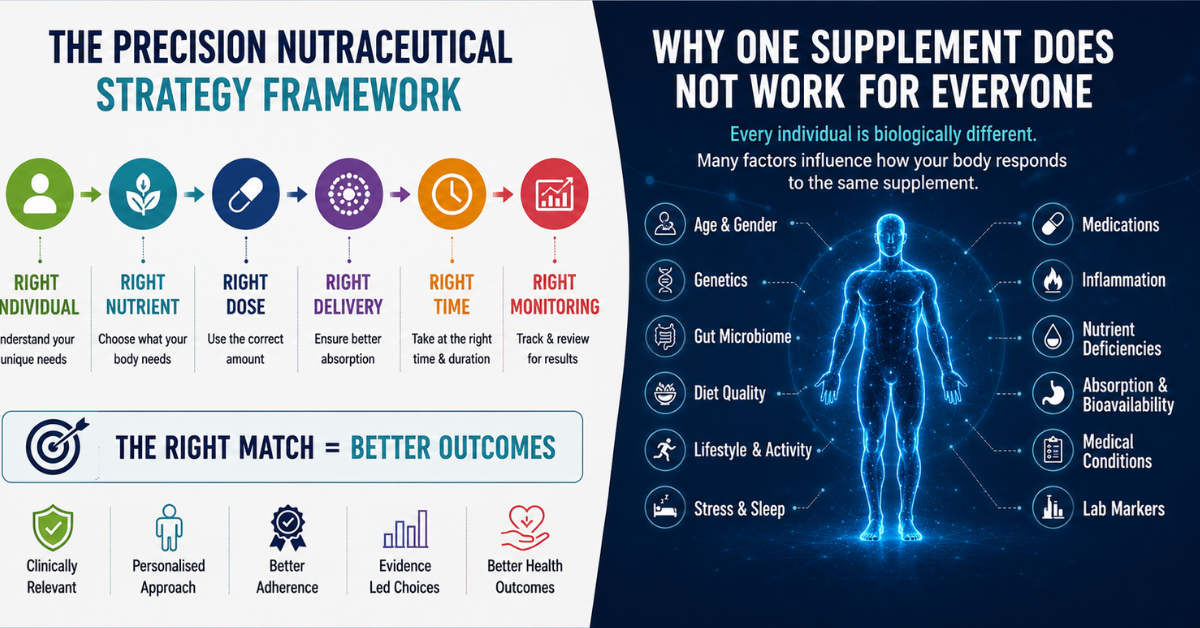
Each person brings a different biology to the table. Age, sex, genetics, gut health, stress, sleep, body composition, medications, inflammation, nutrient status, digestion, and lifestyle all influence how the body uses food and supplements. Even when the nutrient is the same, the outcome may be different because the person is different.
That matters for supplements. Many people buy products based on trends, influencer advice, or a friend’s recommendation. But a supplement that makes sense for one person may be unnecessary, poorly absorbed, or incomplete for another. A person with low Vitamin D may also need magnesium to support Vitamin D metabolism. A person with iron deficiency due to poor intake may need a different strategy than someone with inflammation-related iron dysregulation. A healthy athlete’s protein needs are not the same as those of an older adult with sarcopenia or a patient recovering from surgery.
This is where Precision Nutraceutical Strategy becomes useful. It extends the principles of precision nutrition into practical supplementation. Instead of asking, “What is the best supplement?” the better question becomes:
What is the right nutrient, in the right form, at the right dose, for this individual, at this time, for this goal?
A precision nutraceutical strategy looks at the whole picture:
- current symptoms and clinical goals
- laboratory values and nutrient deficiencies
- disease risk and existing health conditions
- medications and possible interactions
- diet quality and food intake
- digestion, gut health, and absorption capacity
- lifestyle factors such as sleep, stress, exercise, alcohol intake, and shift work
- delivery technology and bioavailability
- the likelihood that a person will actually take the supplement consistently
The aim is not to replace healthy eating or medical care. It is to make nutrition and supplementation smarter, more targeted, and more useful.
In this article, we’ll explore:
- what precision nutrition really means
- why one supplement does not work for everyone
- how personalised supplements should be selected more thoughtfully
- what a precision nutraceutical strategy looks like in practice
- how targeted nutrition can support preventive healthcare and reduce modifiable disease risk
- and why the future of supplements is likely to be more individualised, data-driven, and clinically integrated
What Is Precision Nutrition?
Precision Nutrition: Definition in Simple Terms
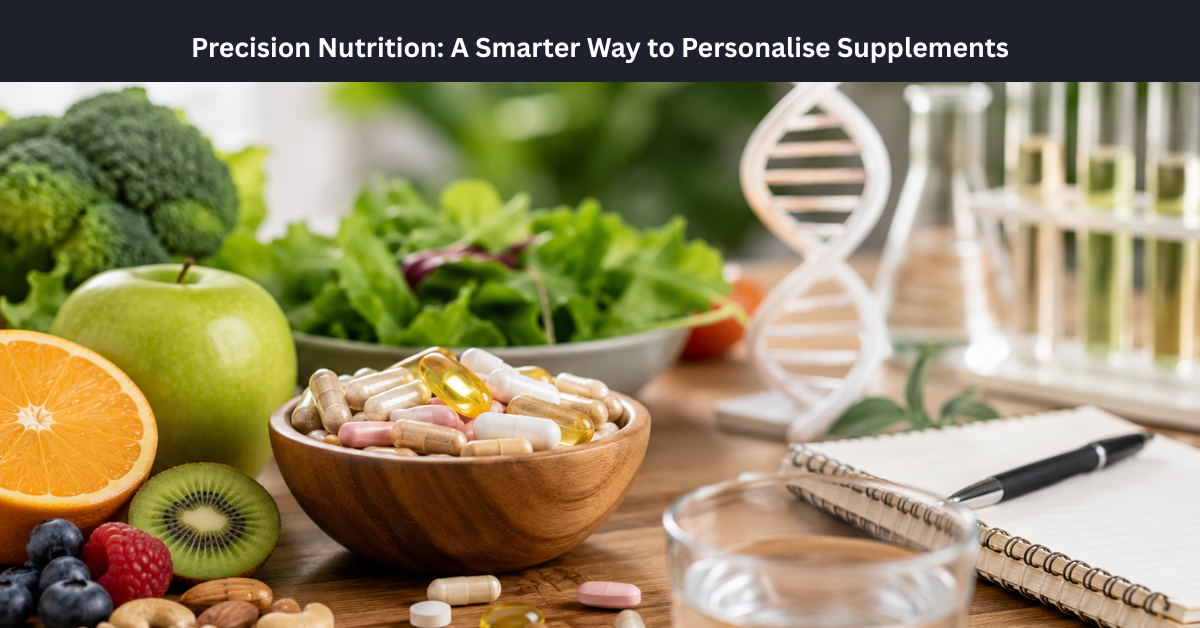
Precision Nutrition is an approach to nutrition that recognises that people respond differently to food, nutrients, and supplements. Instead of assuming that one dietary recommendation works equally well for everyone, precision nutrition uses individual characteristics to make nutrition more targeted and more relevant.
These characteristics may include:
- age and sex
- medical history
- nutrient deficiencies
- genetics and family history
- gut microbiome
- metabolic health
- medications
- lifestyle habits
- sleep and stress patterns
- physical activity
- body composition
- laboratory biomarkers
In short, precision nutrition asks not only “What is healthy?” but “What is healthiest for this person?”
How Precision Nutrition Differs from Conventional Nutrition
Traditional public-health nutrition is designed for populations. It gives broad recommendations that are useful for most people:
- eat more vegetables and fibre
- limit ultra-processed foods
- get enough protein
- reduce excess added sugar
- maintain a healthy body weight
These are valuable and evidence-based recommendations. But they are not always enough to explain why two people can eat similarly and still have different outcomes.
Precision nutrition goes a step further. It tries to understand inter-individual variability—the fact that people differ in:
- how they digest and absorb nutrients
- how they metabolise carbohydrates, fats, and proteins
- how they respond to caffeine, iron, magnesium, or Vitamin D
- how stress, sleep, medications, or inflammation change nutrient needs
- how gut microbes influence metabolic responses to food
The goal is not to throw away general nutrition advice. The goal is to layer personal data on top of good foundational nutrition so that dietary and supplement strategies become more useful.
A Brief History of the Idea
The roots of precision nutrition sit within the broader movement toward precision medicine—an approach that tailors prevention and treatment to the individual rather than treating every patient as biologically identical. As tools in genomics, metabolomics, microbiome science, and digital health have advanced, researchers have become better able to study how individuals respond differently to the same foods and nutrients.
Large studies have shown that even when people eat identical meals, their blood glucose and lipid responses can vary significantly. These differences are influenced by factors such as:
- insulin sensitivity
- sleep
- body composition
- time of day
- physical activity
- microbiome composition
- habitual diet
That variability is one reason why personalized nutrition and precision nutrition have become such important topics in preventive healthcare and clinical nutrition.
Precision Nutrition vs Personalized Nutrition
These terms are often used interchangeably, and in everyday use that is usually acceptable. But there is a subtle difference.
Personalized Nutrition often refers to tailoring nutrition advice based on individual characteristics, preferences, goals, and lifestyle.
Precision Nutrition is often used to imply a deeper, more data-rich, and more quantitative understanding of how a person responds to food and nutrients.
Think of personalized nutrition as the broader concept and precision nutrition as the more rigorous, data-informed version of it.
For example:
- A personalized plan may increase protein because a person is vegetarian and not meeting needs.
- A precision plan may increase protein after looking at age, sarcopenia risk, recovery status, renal function, exercise load, and lab markers, while also choosing a specific protein type and timing strategy.
Both are valuable. Precision nutrition simply aims to be more targeted, more measurable, and more clinically useful.
Why One Supplement Does Not Work for Everyone
If you have ever wondered why a supplement helped someone else but did very little for you, the answer may not be that the supplement was “good” or “bad.” It may be that the match between the supplement and the individual was wrong.
Here are some of the major reasons.
A) Age Changes Nutrient Needs and Physiology
A 25-year-old athlete and a 72-year-old adult do not process nutrition in the same way. Ageing affects:
- stomach acid production
- digestive efficiency
- muscle protein synthesis
- bone turnover
- medication burden
- inflammation levels
- appetite and dietary intake
- endogenous production of compounds such as CoQ10 and collagen components
That means the best supplements for health at one life stage may not be the best at another.
Examples:
- Older adults may need more attention to protein quality, Vitamin D, B12, calcium, magnesium, bone health supplements, or CoQ10 depending on diet, medications, and health status.
- A young athlete may prioritise protein recovery, magnesium, electrolytes, and joint-support strategies differently.
B) Sex, Hormonal Status, and Reproductive Stage Matter
Men and women can have different nutrient risks and clinical contexts. So can women at different life stages:
- menstruating years
- pregnancy
- postpartum
- perimenopause
- postmenopause
For example:
- menstruating women may have higher risk of iron deficiency
- pregnancy changes needs for iron, folate, choline, iodine, magnesium, and omega-3
- postmenopausal women may need greater focus on bone health supplements, protein, Vitamin D, magnesium, and K2 depending on overall clinical context
C) Diet Quality and Food Pattern Change Baseline Needs
A supplement should not be chosen in isolation from the diet.
A person who eats:
- oily fish twice a week
- plenty of dairy or fortified foods
- adequate protein
- legumes, nuts, seeds, and green vegetables
- a diverse, fibre-rich diet
has a very different nutritional baseline from someone whose diet is:
- low in protein
- low in fruit and vegetables
- high in ultra-processed foods
- irregular due to shift work or travel
- restrictive due to weight-loss dieting or gastrointestinal symptoms
The same “multivitamin for everyone” approach ignores the fact that nutritional deficiencies and nutrient gaps are highly individual.
D) Gut Health and Digestive Function Influence Absorption
A supplement cannot help much if it is not absorbed effectively.
Absorption may be influenced by:
- low stomach acid
- chronic use of acid-suppressing medication
- diarrhoea or malabsorption
- inflammatory bowel disease
- coeliac disease
- pancreatic insufficiency
- gut inflammation
- small intestinal bacterial overgrowth
- altered microbiome composition
- bariatric surgery
- constipation or motility disorders
This is where bioavailability and supplement absorption become central. Two people can swallow the same capsule, but the amount that reaches the bloodstream—and ultimately the target tissue—may differ substantially.
If you want a deeper explanation of why good ingredients still fail when absorption is poor, see Precimax’s article on why most supplements fail despite good ingredients and the bioavailability problem in supplements.
E) Medications Can Change Nutrient Needs
Many commonly used medicines can affect nutritional status, absorption, or endogenous nutrient production.
Examples include:
- metformin, which may affect Vitamin B12 status
- proton pump inhibitors, which may affect absorption of B12, magnesium, and iron in some individuals
- statins, which may reduce endogenous CoQ10 production
- diuretics, which can alter magnesium or potassium balance
- some anticonvulsants, which may affect Vitamin D metabolism
- anticoagulants, which may influence decisions around Vitamin K-containing products
This is one reason supplements should not be chosen based on marketing alone. A precision nutraceutical strategy considers drug–nutrient interactions and the clinical context.
F) Stress, Sleep, and Training Load Alter Nutritional Demands
A person under chronic stress, sleeping five hours a night, and training intensely may not have the same needs as someone with a stable routine and lower physical demand. Stress and poor sleep can affect:
- appetite and food choices
- glycaemic control
- inflammation
- recovery
- muscle repair
- fatigue
- migraine frequency
- digestive symptoms
These factors can indirectly influence the need for nutrients such as magnesium, protein, omega-3, and others depending on the situation.
G) Inflammation Can Change the Story Entirely
Inflammation is one of the most important reasons why “low nutrient status” should not be interpreted too simplistically.
Take iron deficiency as an example. Low iron may be due to:
- poor intake
- blood loss
- low stomach acid
- heavy exercise
- pregnancy
- malabsorption
- inflammation-related changes in iron regulation
The solution is not always “take more iron.” Sometimes the issue is poor intake; sometimes it is a medical cause; sometimes it is chronic inflammation; sometimes it is menstrual loss; sometimes it is gastrointestinal blood loss. The same lab result can sit inside very different clinical stories.
H) Genetics and Metabolic Variability Play a Role
Genetics is only one piece of the precision nutrition puzzle, but it does matter. Genetic differences can influence:
- caffeine metabolism
- lactose tolerance
- lipid metabolism
- folate metabolism
- risk of certain nutrient insufficiencies
- metabolic responses to diet
At the same time, precision nutrition is not “just a DNA test.” It is broader than that. Real-world nutrition outcomes are shaped by genetics plus environment, diet, sleep, microbiome, medications, stress, body composition, and disease status.
Baseline Lab Values Matter
A person with severe Vitamin D deficiency and another with borderline low Vitamin D may not need the same intervention. The same is true for ferritin, B12, HbA1c, fasting lipids, inflammatory markers, or magnesium-related clinical patterns.
Without looking at laboratory values where appropriate, supplementation can become guesswork.
What Is Precision Nutraceutical Strategy?
This is the most important concept for supplement brands, clinicians, and consumers alike.
Definition: Precision Nutraceutical Strategy
A Precision Nutraceutical Strategy is an individualized framework for selecting and using supplements based on the person—not just the ingredient.
Instead of asking:
- What is the best supplement for everyone?
- What is the best magnesium?
- What is the best iron?
- What is the best supplement for immunity?
the precision nutraceutical approach asks:
Right Individual
Who is this person? What is their age, health status, symptom pattern, diet quality, medication list, and disease risk?
Right Nutrient
What nutrient or bioactive is actually needed? Is the problem deficiency, increased need, poor diet quality, inflammation, poor recovery, inadequate intake, or a specific clinical condition?
Right Dose
Is a maintenance dose enough? Is a higher short-term dose needed under medical guidance? Could the dose be too low to matter or unnecessarily high for the goal?
Right Delivery Technology
Is the nutrient well absorbed in this person? Would delivery format matter—capsule, powder, chewable, liposomal, emulsified, or co-administered with another nutrient?
Right Time
Is the person using the supplement for deficiency correction, preventive support, recovery, performance, or healthy ageing? Should it be taken with food, away from other nutrients, or reviewed after a specific period?
Right Monitoring
How will you know if it is working? Symptoms? Lab markers? Tolerance? Energy? Ferritin? Vitamin D levels? Muscle function? Recovery?
What Should a Precision Nutraceutical Strategy Consider?
1. Current Health Status
Does the person have:
- diabetes
- osteoarthritis
- anaemia
- osteoporosis risk
- sarcopenia
- IBS
- migraine
- cardiovascular risk
- pregnancy
- post-viral fatigue
- healthy ageing goals
The same supplement may serve different roles in different conditions.
2. Disease Risk
A person may not be ill today but may still have modifiable risk factors:
- low muscle mass
- sedentary lifestyle
- family history of diabetes
- low Vitamin D
- borderline iron status
- poor omega-3 intake
- chronic low protein intake
- early osteopenia
Precision nutrition is especially valuable in preventive healthcare, where the goal is not to promise disease prevention from a pill, but to support risk reduction using targeted, evidence-informed strategies.
3. Laboratory Investigations
Relevant labs might include:
- CBC, ferritin, transferrin saturation, B12, folate
- 25(OH) Vitamin D
- HbA1c and glucose markers
- lipid profile
- CRP or inflammatory markers where clinically relevant
- renal and liver function
- thyroid markers where indicated
- magnesium-related clinical assessment, even though serum magnesium can be limited as a full-body indicator
Labs do not replace clinical judgement, but they help make supplementation more precise.
4. Diet Quality and Nutritional Gaps
Is the person vegetarian?
Do they skip breakfast and live on caffeine?
Are they under-eating protein?
Do they avoid dairy or fish?
Do they have very low fibre intake?
Do they travel constantly?
Supplements work best when they fill a meaningful gap rather than randomly adding more nutrients to an already adequate intake.
5. Absorption and Tolerance
This is a major blind spot in supplement use. People often focus on the ingredient but ignore the route from capsule to bloodstream.
A precision strategy asks:
- Is this person likely to absorb standard formulations well?
- Do they have GI issues, low stomach acid, medication use, or a history of poor tolerance?
- Would a different delivery system improve bioavailability or tolerability?
For example, if the issue is poor absorption rather than poor intake, delivery technology becomes part of the solution. This is where Precimax’s educational content on liposomal formulations and targeted delivery can be a useful explainer.
6. Drug Interactions and Contraindications
The right supplement can become the wrong supplement if it clashes with medication, surgery planning, renal impairment, or another medical issue.
7. Lifestyle and Compliance
The best supplement on paper is not useful if the person will not take it consistently. Precision nutraceutical strategy also includes practical questions:
- Can they swallow large capsules?
- Do they tolerate powders?
- Will they remember three doses a day?
- Are they already taking six medications?
8. Expected Outcomes
What is success supposed to look like?
- improved ferritin
- corrected Vitamin D deficiency
- reduced muscle cramps
- better recovery
- better tolerance of iron therapy
- improved daily protein intake
- reduced risk factors for bone loss
Without a clear goal, supplementation becomes vague and difficult to evaluate.
Practical Examples: Why Precision Matters in Real Life
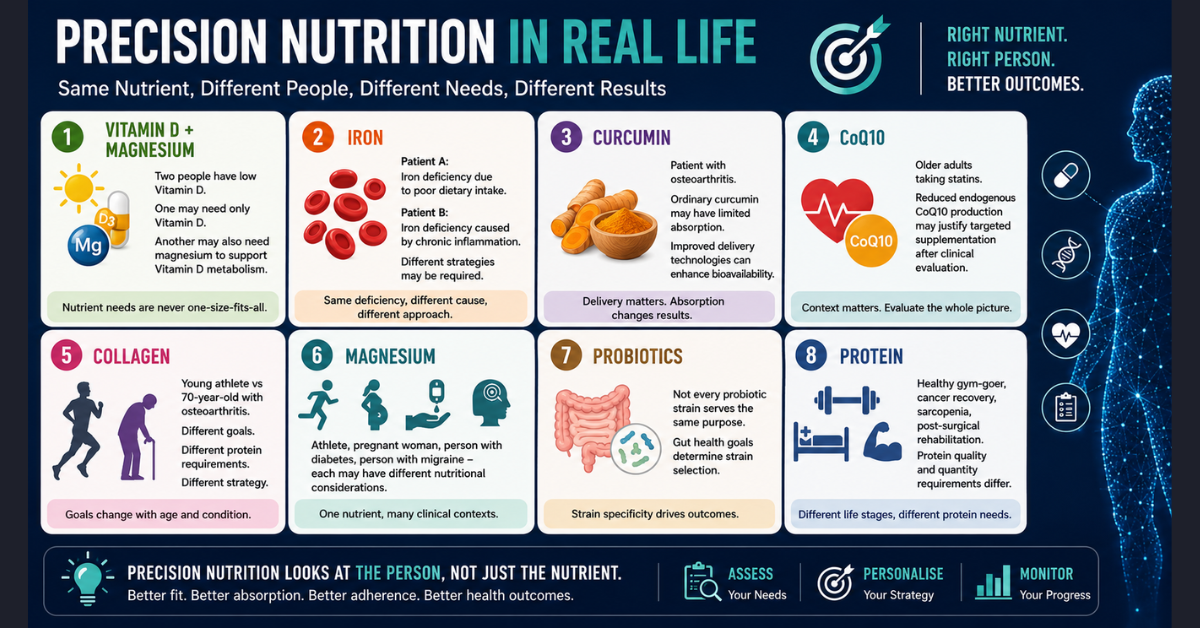
This is where precision nutrition becomes easy to understand. Below are eight real-world examples showing why personalized supplements often make more sense than generic recommendations.
Example 1: Vitamin D — Same Deficiency, Different Strategy
Patient A
- office worker
- low sun exposure
- low 25(OH) Vitamin D
- otherwise healthy diet and digestion
- no significant symptoms
- no medication issues
Possible strategy
This person may do well with a straightforward Vitamin D repletion plan under appropriate guidance, followed by maintenance.
Patient B
- low Vitamin D
- frequent muscle aches
- poor diet quality
- possible low magnesium intake
- high stress and poor sleep
- long-term use of acid-suppressing medication
Possible strategy
This person may need a broader review:
- Vitamin D repletion
- assessment of magnesium deficiency risk
- evaluation of overall dietary quality
- attention to adherence, gut symptoms, and absorption
- possibly a more thoughtful delivery strategy depending on tolerance and context
Why? Because magnesium participates in Vitamin D metabolism, and in some individuals a Vitamin D plan may be incomplete if magnesium status or intake is poor.
For readers wanting to understand this interaction better, Precimax’s educational article on Liposomal Magnesium, Vitamin D3 and K2-7 explains why these nutrients are often discussed together in bone, muscle and recovery support.
Example 2: Iron — Low Iron Is Not Always the Same Problem
Patient A
- young woman with low ferritin
- heavy menstrual losses
- low red meat intake
- fatigue
- no major inflammatory condition
Possible strategy
This person may need:
- dietary iron support
- clinically appropriate iron supplementation
- attention to tolerance and adherence
- follow-up testing
Patient B
- ferritin and iron markers suggest deficiency or functional iron problems
- inflammatory condition present
- GI symptoms and poor appetite
- fatigue and low exercise tolerance
Possible strategy
This person may need a more complex work-up because inflammation can affect iron regulation. Simply increasing iron intake may not fully address the underlying problem. The strategy may need to consider:
- inflammation management with medical oversight
- cause of deficiency
- GI tolerance
- form of iron
- coexisting nutrient issues such as B12 or folate
- monitoring response carefully
This is why precision nutraceuticals matter. “Take iron” is not always a complete answer.
If you want to connect this topic to a product-category discussion, you can internally link here to the Precimax iron range or a future Precifer / liposomal iron educational page.
Example 3: Curcumin — A Good Ingredient Can Still Be a Poor Match
Patient
- 62-year-old with osteoarthritis
- wants joint support
- has tried ordinary curcumin with little benefit
- takes multiple daily tablets already
Curcumin is a widely discussed nutraceutical, but one of the recurring issues is limited absorption in standard forms. Here, a precision approach would ask:
- what is the actual goal—pain support, mobility, exercise tolerance?
- what medications are being used?
- is there GI sensitivity?
- is a better-delivered curcumin option likely to make more sense than a standard low-bioavailability format?
This is where delivery technology becomes part of the strategy, not an afterthought.
For joint-support readers, this is a natural place to link to Healojoint or to a future Precimax article on curcumin absorption and joint health.
Example 4: CoQ10 — The Context of Statin Use Matters
Patient
- 68-year-old with cardiovascular risk
- taking a statin
- reports fatigue and reduced exercise enjoyment
- wants “the best supplements for health”
Not everyone on a statin needs CoQ10 automatically. But statins can reduce endogenous CoQ10 synthesis, and in some individuals that may be clinically relevant.
A precision approach asks:
- what symptoms are present?
- what other conditions or medications exist?
- is the diet adequate?
- is the fatigue due to sleep, anaemia, thyroid issues, low fitness, or something else?
- could CoQ10 be a reasonable targeted supplement after clinical review?
This is a good example of why supplements should be selected based on the person, not just the popularity of the ingredient.
Example 5: Collagen — A Young Athlete and a 70-Year-Old Are Not the Same Case
Case A: Young athlete
Goals:
- tendon support
- training recovery
- meeting total protein needs
- maintaining lean mass
Case B: Older adult with osteoarthritis
Goals:
- joint comfort
- maintaining mobility
- supporting protein intake
- preserving muscle mass and function
- addressing low appetite or poor meal quality
Both may be interested in collagen supplements or joint supplements, but the surrounding strategy will differ:
- total daily protein target
- leucine-rich protein intake
- strength training status
- Vitamin D and bone health
- pain and mobility limitations
- medication use
- ability to chew and digest protein-rich foods
Again, same supplement category—different nutritional strategy.
Example 6: Magnesium — Four People, Four Different Considerations
Athlete
May need attention to:
- sweat loss
- muscle recovery
- sleep quality
- training volume
- total carbohydrate and protein adequacy
Pregnant woman
May need a completely different evaluation focused on:
- nausea and intake quality
- prenatal nutrient plan
- iron, folate, choline, iodine, and magnesium status
- medical supervision and safety
Person with diabetes
May need review of:
- glycaemic control
- medications
- dietary pattern
- neuropathy symptoms
- renal function
- cardiovascular risk
Person with migraine
May need a strategy that considers:
- migraine frequency
- triggers
- sleep
- stress
- current medications
- other supportive nutrients under clinical guidance
All four people may ask, “Should I take magnesium?” But the right dose, form, timing, and even the reason for using it may differ.
A relevant internal link here is Precimax’s article on how magnesium, Vitamin D3 and K2-7 support recovery, muscle health, sleep and bone support.
Example 7: Probiotics — Not Every Strain Does the Same Job
“Take a probiotic” is one of the most common generic supplement recommendations—and one of the least precise.
A precision approach asks:
- Is the goal IBS symptom support?
- antibiotic-associated diarrhoea prevention?
- constipation support?
- traveller’s GI resilience?
- general gut health?
- support after GI infection?
Different strains and formulations may be studied for different goals. A person with bloating and IBS symptoms does not necessarily need the same probiotic as someone recovering from antibiotics. Gut health goals should guide strain selection rather than assuming all probiotics are interchangeable.
If Precimax has a probiotic or gut-health product/category page, that should be linked here.
Example 8: Protein — Same Nutrient, Different Clinical Goals
Healthy gym-goer
Goal:
- muscle gain and recovery
Older adult with sarcopenia risk
Goal:
- preserve muscle mass, strength, function, and independence
Cancer recovery
Goal:
- protect lean mass, improve tolerance of treatment and recovery, support intake when appetite is low
Post-surgical rehabilitation
Goal:
- wound healing, recovery, muscle retention, regaining function
These are all “protein” scenarios, but they do not need the same plan. Precision nutrition considers:
- total daily grams
- distribution across the day
- appetite and chewing ability
- GI tolerance
- renal function
- leucine content
- whether a protein powder, medical nutrition drink, or whole-food plan is most realistic
Disease Risk Reduction Through Precision Nutrition
Precision nutrition should not be oversold. Supplements are not magic shields against disease, and no responsible strategy should imply that a pill can replace sleep, exercise, smoking cessation, or medical treatment.
But targeted nutrition can still play a meaningful role in preventive healthcare by helping people manage modifiable risk factors more intelligently.
A) Obesity and Metabolic Syndrome
People differ in appetite regulation, glycaemic responses, satiety, sleep quality, and lifestyle barriers. A precision approach may help by tailoring:
- protein intake
- fibre intake
- meal timing
- carbohydrate quality
- behavioural support
- activity patterns
- use of selected supplements where appropriate
B) Type 2 Diabetes and Prediabetes
Precision nutrition is particularly relevant here because glucose responses to food can vary widely between individuals. In diabetes risk reduction, personalized nutrition may support:
- better meal composition
- improved body composition
- targeted protein and fibre strategies
- management of Vitamin D, magnesium, or omega-3 insufficiency where relevant
- long-term adherence
C) Osteoporosis and Bone Health
Bone health is not only about calcium. Risk reduction may involve:
- adequate protein
- Vitamin D
- magnesium
- K2 where appropriate
- resistance exercise
- fall prevention
- evaluation of medications and menopause status
- overall energy intake and body weight history
This is where bone health supplements must be chosen as part of a larger strategy, not in isolation.
D) Sarcopenia and Healthy Ageing
Healthy ageing is one of the strongest cases for precision nutrition. Older adults differ in:
- appetite
- chewing ability
- digestive function
- physical activity
- medication burden
- muscle mass
- inflammation
- social support
Targeted protein, Vitamin D, magnesium, omega-3, and other interventions may help support strength, mobility, and independence when used thoughtfully alongside exercise and medical care.
E) Cardiovascular Disease Risk
Cardiovascular risk is shaped by blood pressure, lipids, insulin resistance, inflammation, activity, smoking, sleep, and weight—not by one supplement alone. But targeted nutrition can complement risk management through:
- dietary pattern improvement
- omega-3 support where appropriate
- protein quality and fibre intake
- weight management
- evaluation of statin-associated nutrient considerations such as CoQ10 in selected cases
F) Anaemia and Fatigue
Precision nutrition helps separate different causes of low energy:
- iron deficiency
- B12 deficiency
- low protein intake
- under-eating
- inflammation
- sleep deprivation
- thyroid disease
- depression or burnout
- medication effects
Without this precision, people may self-prescribe “energy supplements” that do not address the real issue.
G) Gut Disorders
IBS, IBD, reflux, chronic bloating, diarrhoea, constipation, or prior GI surgery can all change how a person responds to supplements. Precision strategies may improve tolerability and absorption while avoiding unnecessary products.
H) Immune Health and Recovery
Immune health supplements are popular, but “immune support” is not a single nutrient problem. A more useful approach asks:
- is the person sleep deprived?
- under-eating?
- low in protein?
- Vitamin D deficient?
- under high training load?
- dealing with recurrent GI disturbance?
- older and at risk of frailty?
That is precision nutrition in action: finding the real leverage points instead of stacking random products.
The Future of Precision Nutrition
Precision nutrition is still evolving, but its direction is clear: nutrition and supplementation are becoming more measurable, more personalized, and more integrated with clinical data.
Wearables
Wearables can provide data on:
- sleep
- activity
- heart rate variability
- recovery patterns
- circadian disruption
These do not diagnose nutrient deficiencies, but they add context to nutrition planning.
Continuous Glucose Monitoring
CGMs are already changing how some people understand their responses to meals. In selected settings, they can help personalise carbohydrate timing, meal composition, and metabolic risk management.
Microbiome Science
Microbiome research is one of the most exciting areas in precision nutrition, though much of it is still developing. In the future, microbiome-informed strategies may improve how we personalise fibre, probiotics, fermented foods, and even some supplement choices.
AI and Digital Health
AI may help integrate:
- dietary records
- symptoms
- wearable data
- medication lists
- biomarkers
- food preferences
- shopping patterns
- health goals
That could make personalized supplements more practical and scalable—if used responsibly and with clinical oversight.
Nutrigenomics and Biomarkers
Genetic information may help explain some differences in nutrient response, but it should not be treated as destiny. The future is likely to combine genetics with:
- metabolomics
- inflammatory markers
- microbiome patterns
- digital phenotyping
- longitudinal health tracking
The real promise is not “a DNA-based magic diet.” It is a more intelligent system that combines multiple data sources to make nutrition more precise.
Clinical Insight from Precimax: The Precision Nutraceutical Strategy Framework
A modern supplement strategy should move away from “more products” and toward better fit.
The Precimax Precision Nutraceutical Strategy Framework
Right Individual
Who is the person in front of you? What is their age, diet, symptoms, medication list, disease risk, digestive function, and lifestyle reality?
Right Nutrient
What is the actual need? A deficiency? A low intake? A recovery goal? Bone support? Iron repletion? Better protein quality? Improved tolerance?
Right Dose
How much is appropriate for this stage—maintenance, correction, recovery, or long-term support?
Right Delivery Technology
Would standard delivery work, or does this individual need a strategy that improves supplement bioavailability, tolerance, or convenience?
Right Time
When should it be used, for how long, and in relation to meals, medications, and follow-up testing?
Right Monitoring
What will define success?
- symptom improvement
- improved lab markers
- better tolerance
- stronger adherence
- better functional outcomes
Why This Matters
A precision nutraceutical strategy helps move supplementation away from:
- trend-driven buying
- duplicate ingredients
- poorly targeted products
- trial-and-error without a goal
- overlooking interactions and absorption issues
and toward:
- clinically relevant choices
- better adherence
- better fit with real-world health goals
- more rational use of nutraceuticals
- better alignment with preventive healthcare
Importantly, supplementation should still be individualised and used alongside medical care, dietary improvement, exercise, and sleep support—not instead of them.
This is also where Precimax can differentiate itself: not by promoting a “one-size-fits-all” supplement mindset, but by educating consumers and clinicians on how to choose the right nutrient, right delivery system and right strategy for the right person.
Readers who want to explore this philosophy further can also read:
- The Science of Why Your Supplements Should Be Personalized
- Best Supplements for Health in 2026: 21 Rules One Must Know
Conclusion: Precision Nutrition Is About Better Fit, Not More Complexity
The most important message of precision nutrition is simple: people are different, so nutrition and supplementation should become more individual too.
The future of health support is not about taking the maximum number of products. It is about choosing the right nutrient, for the right person, in the right form, at the right time, for the right reason.
That means looking beyond the label and asking smarter questions:
- What problem are we trying to solve?
- Is there a real deficiency, increased need, or clinical goal?
- What does this person’s diet, gut health, medication list, and lifestyle tell us?
- Will this nutrient actually be absorbed and used?
- How will we know whether it is working?
This is the shift from generic supplementation to Precision Nutraceutical Strategy. It is more thoughtful, more clinically grounded, and more aligned with modern preventive healthcare.
For individuals, that can mean fewer random purchases and better decisions.
For clinicians, it can mean more targeted support.
For nutraceutical brands, it means the future is not just about selling supplements—it is about helping people use them more intelligently.
Precision nutrition starts with better questions—not just more products.
At Precimax, we believe modern supplementation should be built around the right individual, the right nutrient, the right dose, the right delivery technology, and the right monitoring strategy.
If you want to explore evidence-led liposomal formulations and condition-specific wellness support, start here: