Why Random Gut Supplements Often Disappoint
Gut health has become one of the biggest wellness topics in recent years. Probiotics, prebiotics, digestive enzymes, fiber supplements, and gut-health drinks are now widely available, promising better digestion, reduced bloating, improved immunity, and a healthier microbiome.
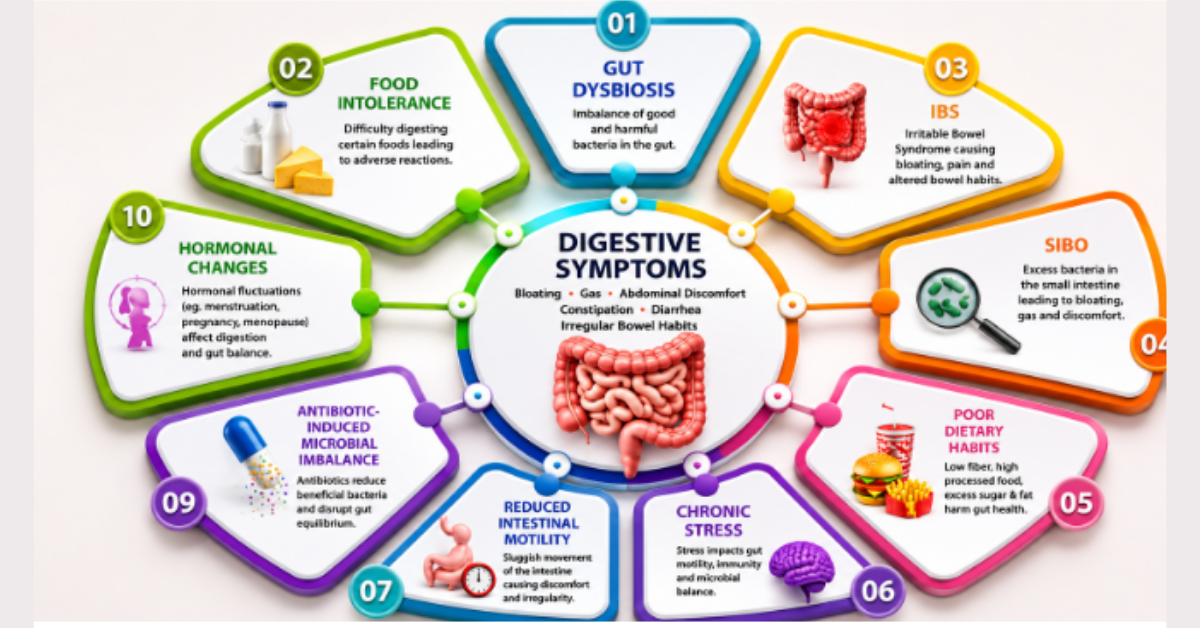
Yet many people continue to struggle with symptoms such as bloating, gas, constipation, diarrhea, abdominal discomfort, and irregular bowel habits despite taking supplements regularly.
Does this mean gut health supplements don’t work?
Not necessarily.
In many cases, the issue isn’t the supplement itself. Gut health is influenced by a combination of factors including your diagnosis, diet, digestion, stress levels, sleep, stomach acid, and daily lifestyle habits. Even the best supplement cannot overcome poor nutrition, unmanaged stress, or an underlying digestive condition that has not been correctly identified.
Your digestive system is a highly connected network involving the stomach, intestines, digestive enzymes, gut bacteria, immune system, and even your brain. Supporting this system requires a holistic approach rather than relying on a single capsule or powder.
In this article, we’ll explore seven evidence-based reasons why your gut health may not be improving despite taking supplements—and what you can do to better support your digestive wellness.
1. You May Have the Wrong Diagnosis
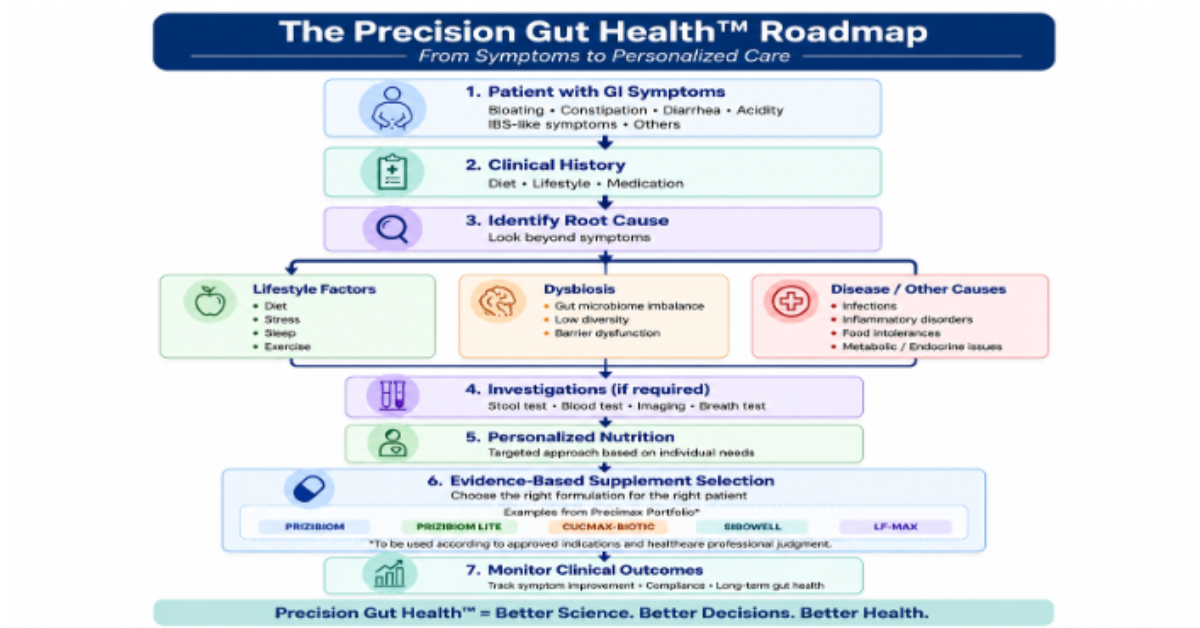
Many digestive symptoms look alike, but they don’t always have the same cause.
For example, bloating after meals could be related to food intolerances, Irritable Bowel Syndrome (IBS), Small Intestinal Bacterial Overgrowth (SIBO), constipation, acid reflux, or other digestive disorders. Because these conditions often share similar symptoms, treating yourself based only on how you feel may not always address the underlying problem.
It is common for people to assume they need a probiotic or digestive supplement simply because they experience bloating or gas. However, if the real cause is lactose intolerance, celiac disease, chronic constipation, inflammatory bowel disease, or another digestive condition, a supplement alone may not provide meaningful relief.
Persistent digestive symptoms should be properly evaluated rather than self-diagnosed. A healthcare professional can recommend appropriate investigations and determine whether nutritional support, dietary changes, medication, or further testing is needed.
Receiving the correct diagnosis not only improves treatment decisions but also helps avoid unnecessary supplements that may not match your condition.
Consumer Takeaway
The right treatment starts with the right diagnosis.
2. Your Diet May Be Working Against You
Supplements can support gut health, but they cannot replace a healthy diet.
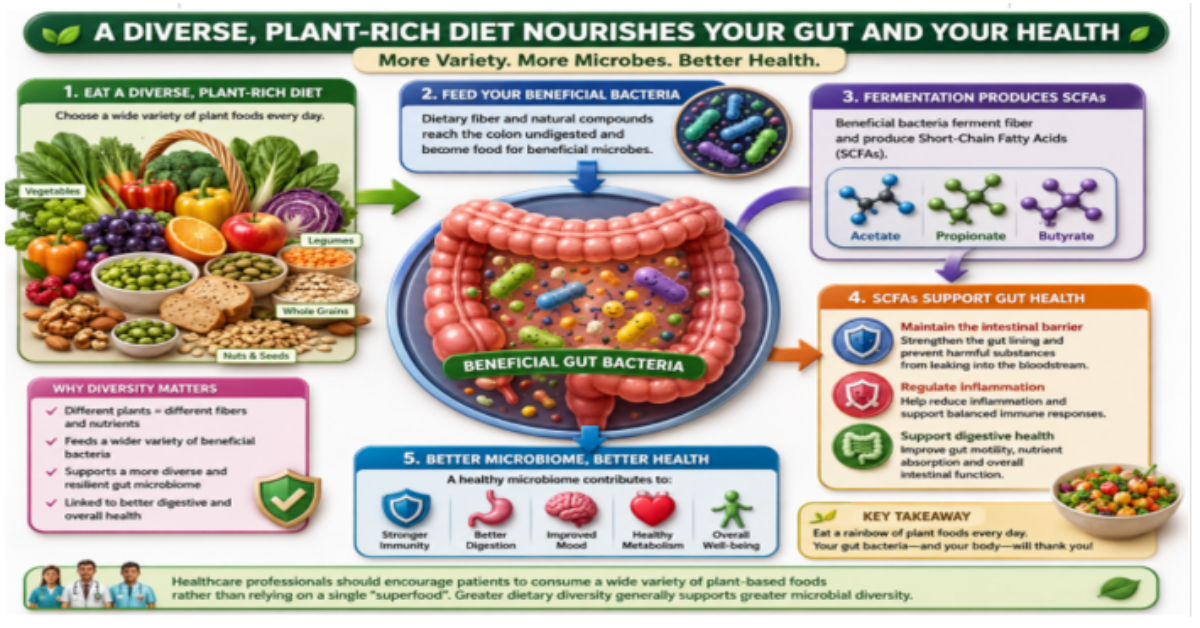
The trillions of beneficial microorganisms living in your digestive tract depend on the food you eat every day. If your diet is dominated by ultra-processed foods, sugary snacks, refined carbohydrates, and low-fiber meals, your gut microbiome may not receive the nourishment it needs.
Dietary fiber acts as fuel for beneficial gut bacteria. Fruits, vegetables, legumes, whole grains, nuts, and seeds provide both fiber and a variety of plant compounds that support microbial diversity and digestive health.
On the other hand, diets consistently low in fiber may reduce microbial diversity and contribute to digestive discomfort in some individuals.
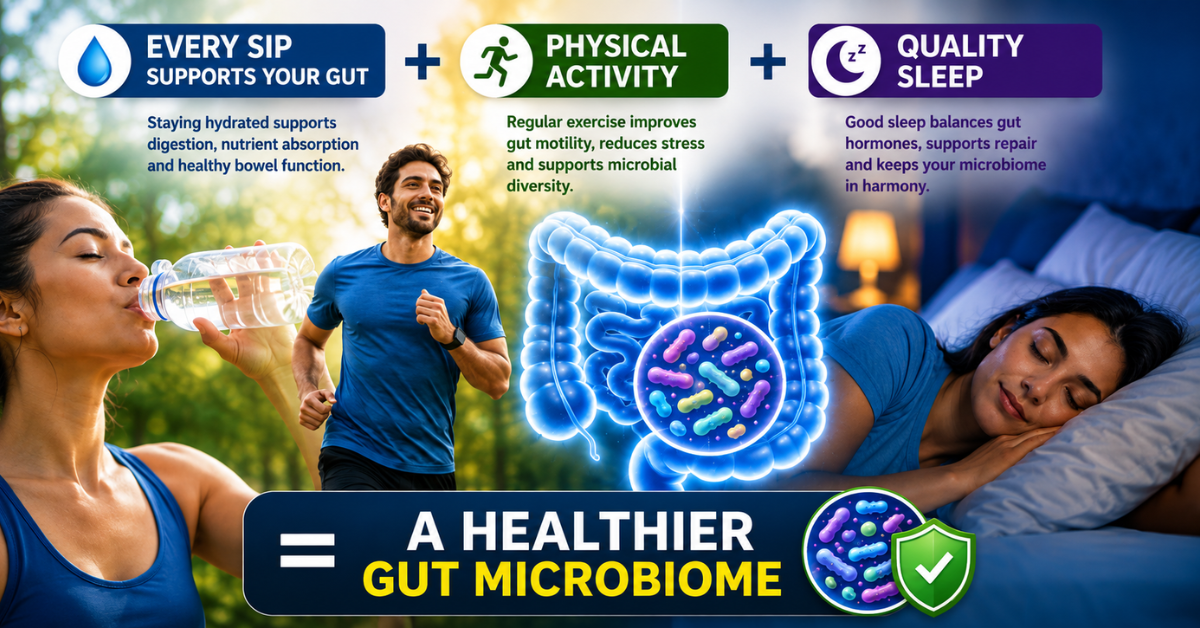
Hydration is equally important. Water helps maintain healthy digestion, supports bowel regularity, and allows dietary fiber to function effectively.
Instead of looking for a supplement to compensate for poor eating habits, consider whether your daily meals are supporting your gut.
Foods That Support Gut Health
- Fruits and vegetables
- Whole grains
- Fiber-rich foods
- Fermented foods (where appropriate)
- Adequate water intake
- Limiting ultra-processed foods
Building healthy eating habits provides a stronger foundation for digestive wellness than relying on supplements alone.
Consumer Takeaway
Food is the foundation of gut health.
3. Stress Can Affect Your Gut
Have you ever experienced an upset stomach before an important meeting or exam?
That’s because your brain and digestive system are closely connected.
Chronic stress can influence digestion through several pathways, affecting how the digestive tract functions and how sensitive it becomes. While stress itself may not directly cause digestive diseases, it can contribute to symptoms such as bloating, abdominal discomfort, altered bowel habits, and increased gut sensitivity in susceptible individuals.
Stress may also influence appetite, food choices, sleep quality, and lifestyle habits—all of which can affect digestive health.
Managing stress is therefore an important part of supporting your gut.
Simple Ways to Manage Stress
- Regular physical activity
- Meditation or mindfulness
- Deep breathing exercises
- Yoga
- Spending time outdoors
- Maintaining social connections
- Seeking professional support when needed
Supporting mental well-being is not separate from digestive health—it is an important part of the same system.
Consumer Takeaway
Managing stress is an essential part of supporting a healthy digestive system.
4. Don’t Ignore the Gut–Brain Connection
Modern research continues to show that the gut and brain communicate continuously through the gut–brain axis.
This two-way communication helps regulate digestion, appetite, immune function, and emotional well-being.
Poor sleep, anxiety, emotional stress, and mental fatigue can all influence digestive function. Likewise, digestive discomfort may affect mood and quality of life.
Ways to Support the Gut–Brain Axis
- Get 7–9 hours of quality sleep
- Exercise regularly
- Practice relaxation techniques
- Maintain regular meal timings
- Reduce screen time before bed
- Take time to unwind
Healthy routines benefit both the brain and digestive system.
Consumer Takeaway
A healthier mind can support a healthier gut.
5. Digestive Enzymes May Also Matter
Digestion begins long before nutrients are absorbed in the intestines.
Digestive enzymes help break food into smaller nutrients that the body can absorb.
Types of Digestive Enzymes
- Amylase – Digests carbohydrates
- Protease – Breaks down proteins
- Lipase – Digests fats
- Lactase – Helps digest dairy sugar (lactose)
If food isn’t properly broken down, some individuals may experience bloating, fullness, or digestive discomfort after meals.
Good chewing habits, eating slowly, and avoiding overeating also support healthy digestion.
Consumer Takeaway
Good digestion starts before nutrients reach the gut.
6. Stomach Acid Plays an Important Role
Healthy stomach acid performs several essential functions.
Functions of Stomach Acid
- Digests proteins
- Supports nutrient absorption
- Activates digestive enzymes
- Protects against harmful microbes
Too little stomach acid may affect digestion in some individuals.
If digestive symptoms persist, consult a healthcare professional rather than self-diagnosing.
Consumer Takeaway
Healthy digestion begins in the stomach.
7. Your Lifestyle Matters More Than You Think
Your gut microbiome is influenced by your everyday habits.
Healthy Lifestyle Habits That Support Gut Health
- Regular exercise
- Good-quality sleep
- Stress management
- Balanced nutrition
- Staying hydrated
- Consistent healthy routines
- Limiting smoking
- Limiting excessive alcohol
Small, consistent improvements often produce better long-term results than relying on supplements alone.
Consumer Takeaway
Supplements work best when they are part of a healthy lifestyle.
The Practical Gut Health Buying Guide
Before purchasing a gut health supplement, consider these important factors.
Parameter | Why It Matters |
Right Health Goal | Choose a supplement that matches your digestive concern. |
Clinically Studied Ingredients | Indicates scientific support. |
Quality Formulation | Supports product consistency. |
Digestive Support | May include probiotics, prebiotics, or enzymes. |
Manufacturing Quality | Ensures reliability and quality. |
Storage Requirements | Helps maintain product stability. |
Lifestyle Support | Supplements should complement healthy habits. |
Value, Not Just Price | Compare quality and evidence—not only cost. |
Checklist Before Buying a Gut Health Supplement
Ask yourself:
- Do I know the cause of my digestive symptoms?
- Am I eating enough fiber?
- Is stress affecting my digestion?
- Am I getting enough sleep?
- Do I need digestive enzyme support?
- Am I supporting healthy stomach function?
- Does this supplement match my health goal?
- Am I maintaining healthy lifestyle habits?
If symptoms are severe, persistent, or accompanied by unexplained weight loss, blood in the stool, persistent vomiting, or difficulty swallowing, seek medical evaluation.
Conclusion
The future of digestive healthcare will not be defined by the number of supplements available—it will be defined by our ability to understand each patient’s unique biology.
Rather than asking, “Which probiotic should I recommend?”, healthcare professionals should first ask, “What is causing this patient’s symptoms?”
By combining thorough clinical evaluation, lifestyle optimization, and evidence-based nutritional support, we can move beyond temporary symptom relief toward meaningful, long-term digestive wellness.
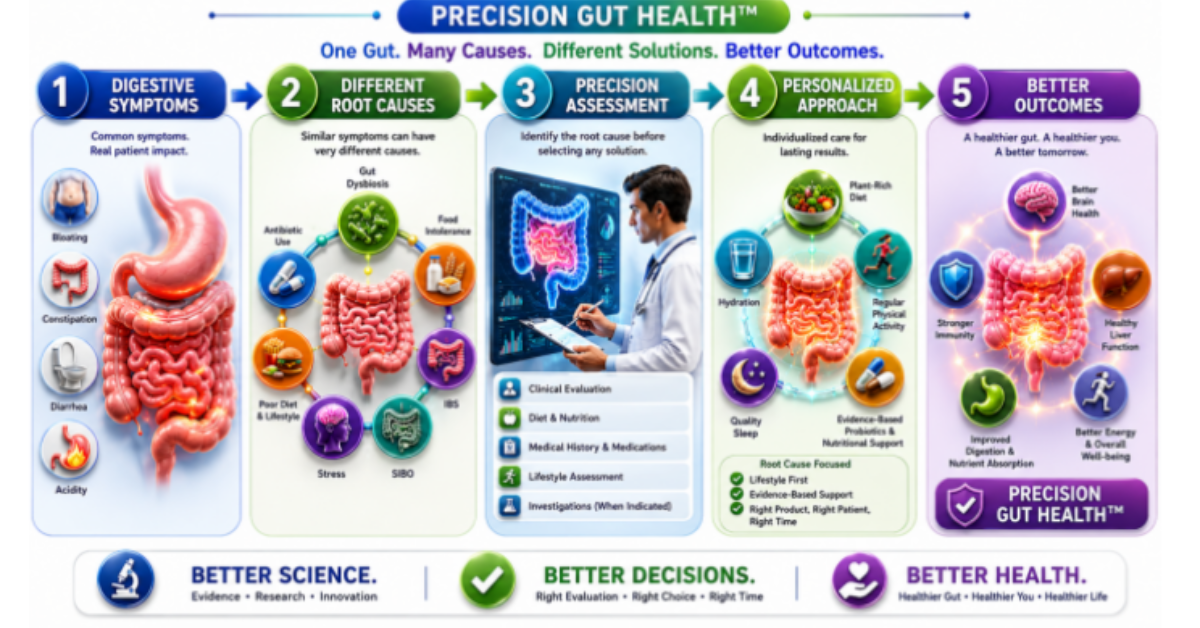
Every gut tells a different story.
Every patient deserves an individualized approach.
That is the promise of Precision Gut Health™.
Not more products. Not more confusion.
Better Science. Better Decisions. Better Health.
References
Instead of plain references, provide clickable links (or hyperlink them in Word):
- International Scientific Association for Probiotics and Prebiotics (ISAPP): https://isappscience.org
- World Gastroenterology Organisation Guidelines: https://www.worldgastroenterology.org
- American Gastroenterological Association: https://gastro.org
- NIH Human Microbiome Project: https://commonfund.nih.gov/hmp
- Nature Reviews Gastroenterology & Hepatology: https://www.nature.com/nrgastro
- The Lancet Gastroenterology & Hepatology: https://www.thelancet.com/journals/langas
- FAO/WHO Probiotic Guidelines: https://www.fao.org
About Precimax
Precimax is committed to advancing evidence-based digestive healthcare through scientific education, responsible nutritional support, and patient-centered innovation.
Together, we can move from random supplementation to Precision Gut Health™, where every recommendation is guided by science and every patient receives care tailored to their unique needs.
Clinical Support Options (Based on Clinical Judgment)
Clinical Need | Precimax Portfolio |
Gut microbiome support | PRIZIBIOM |
Daily microbiome maintenance | PRIZIBIOM LITE |
IBS/IBD nutritional support | CUCIMAX-IBS/IBD |
Suspected SIBO support | SIBOWELL |
Lactose intolerance support | LF-MAX |